REVIEW · BEATLES & MUSIC TOURS
London: Beatles In My Life Walking Tour with Richard Porter
Book on GetYourGuide →Operated by London Northwest.com Ltd · Bookable on GetYourGuide
If your London plan needs music history with street-level payoff, this is it. Beatles In My Life turns famous songs into walkable scenes, from Abbey Road to the homes and studios tied to the band’s biggest moments. It’s a 2-hour guided trek built around stories you can see and photograph.
I especially like the storytelling style Richard Porter brings to the stops, with clear context about what was happening in the Beatles’ world and why it mattered. I also love the hands-on, photo-friendly way the tour uses specific locations, including recreating the opening of A Hard Day’s Night.
One thing to keep in mind: you’ll be walking in a crowd and around traffic, and a few people note it can get hard to hear if you’re not near the guide. With that in mind, it’s smart to stay close and plan for rain since it runs rain or shine.
In This Review
- Key Highlights You’ll Notice Fast
- Meeting Richard Porter at Marylebone Station
- Why This Abbey Road Beatles Walk Feels Different Than a Checklist
- Re-creating the Opening of A Hard Day’s Night
- The Apartments: Ringo, John, and the Hendrix Connection
- John’s Bigger-Than-Jesus Moment and Why It Still Pops
- Paul, Jane Asher, I Want to Hold Your Hand, and the Yesterday Thread
- The Hey Jude Studio Stop and Why This Part Feels Real
- Abbey Road Crossing: Photos, Footsteps, and the Final Scene
- Price and Value: Is $26 Worth Two Hours?
- Who Should Book This Beatles In My Life Tour (and Who Should Skip It)
- Should You Book Beatles In My Life with Richard Porter?
- FAQ
- How long is the Beatles In My Life walking tour?
- Where does the tour meet?
- Who guides the tour?
- How much does it cost?
- What is included in the tour price?
- Is the underground fare included?
- What should I bring?
- Is the tour run in bad weather?
- Is the tour suitable for wheelchair users?
- FAQ
- Can I cancel for a refund?
- Is it a walking-only experience?
- Are large bags or luggage allowed?
- What language is the tour?
Key Highlights You’ll Notice Fast
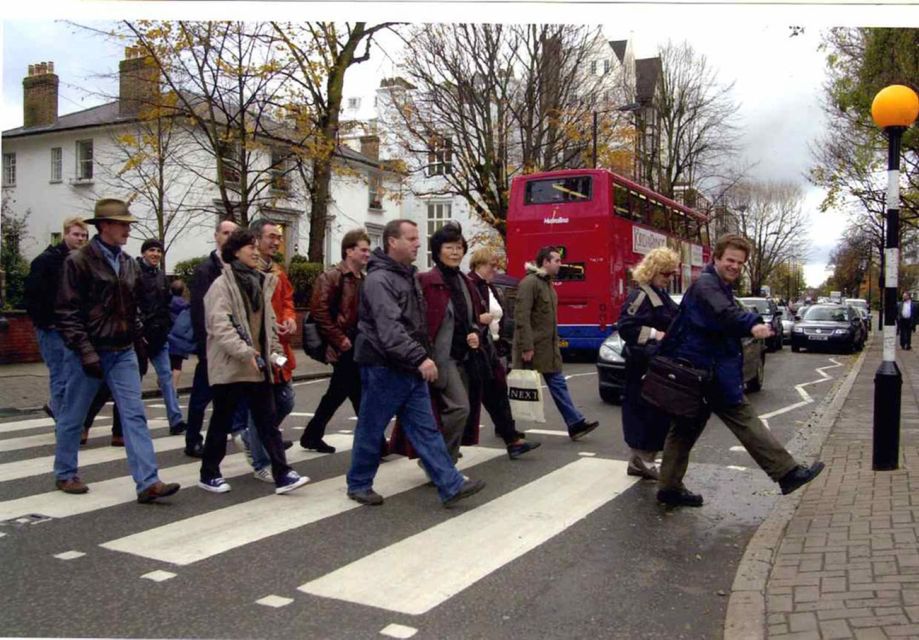
- Abbey Road crossing plus the classic photo moment
- A Hard Day’s Night reenactment at the right vibe of street and angles
- Ringo, John, and Jimi at the same London pulse via homes and personal-story stops
- Biggest-than-life John moments, including the impact of the bigger than Jesus interview
- Hey Jude studio time window, focused on where the song was recorded
- Underground hop to get you to the Abbey Road area without burning your whole day
Meeting Richard Porter at Marylebone Station
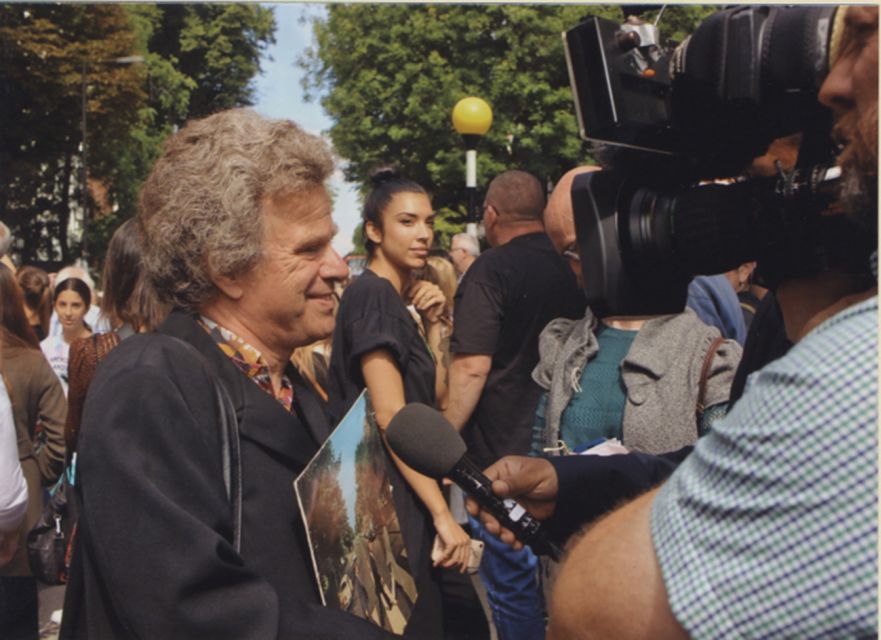
The tour starts outside the main archway entrance of Marylebone Station. Richard Porter (or one of the guides from the same organizing group) is easy to spot: you’ll see Beatles themed leaflets in hand, plus a Beatles bag and a Beatles shirt and/or hat.
This matters more than it sounds. Marylebone is a fast-moving station area, and showing up a few minutes early helps you find the group before the walk kicks off. Also, if you’re coming straight from another part of London, you’ll want to give yourself time to locate the meeting spot and settle footwear, since you’ll be moving for the full 2 hours.
The tour is in English, and the tone is very “walk and talk” rather than museum-style lecturing. Guides like Richard (and others you may see mentioned by name such as Ian, Andrew, Adam, Ollie, and Alan) tend to keep the group engaged with humor and lots of specifics, including photos that help connect the lyric to the street scene.
One practical note: the tour says not suitable for wheelchair users and also asks that you bring comfortable shoes and avoid luggage or large bags. If you’re traveling with big day-bag energy, plan for lighter carry so you’re not stuck jostling around on narrow sidewalks and station steps.
You can also read our reviews of more walking tours in London



Why This Abbey Road Beatles Walk Feels Different Than a Checklist
Most Beatles tours give you stops. This one pushes further: it ties each stop to a story you can place in your head like a film scene. You’re not just seeing a street address vibe—you’re learning what was going on around that time and why the band’s London life shaped the songs.
Two design choices drive that feeling. First, the tour uses real neighborhoods and real locations tied to recording, writing, and living. Second, it keeps motion steady: you’re always walking toward the next clue, and that momentum helps the stories stick.
The route also bakes in a “soundtrack effect.” You’ll hear how London moments connect to major headlines and turning points—like John Lennon’s bigger than Jesus interview and what it changed in public perception. You’ll also get specific enough that even die-hard fans tend to pick up new angles rather than re-hearing the same five talking points.
That’s part of why many people highlight the guides’ delivery: they’re not just reciting facts. Multiple guides have been described as funny, engaging, and able to keep a range of ages interested—including younger Beatles fans. If your group includes someone who thinks they only “kinda” likes the Beatles, the tour’s mix of visuals, reenactment, and pop-culture context is built to pull them in.
Re-creating the Opening of A Hard Day’s Night
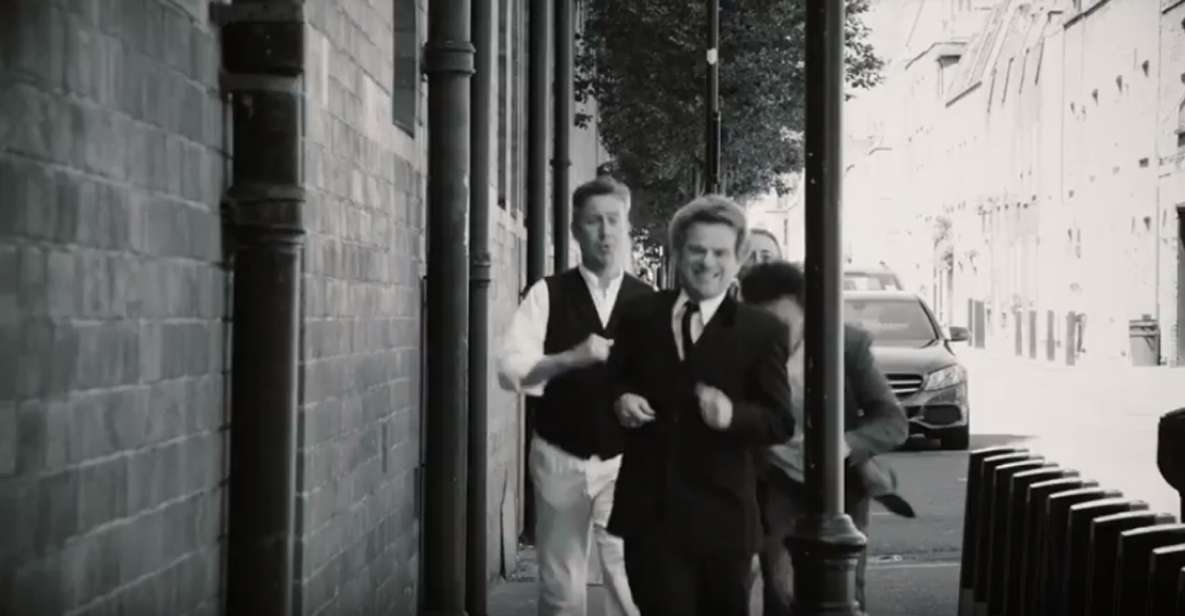
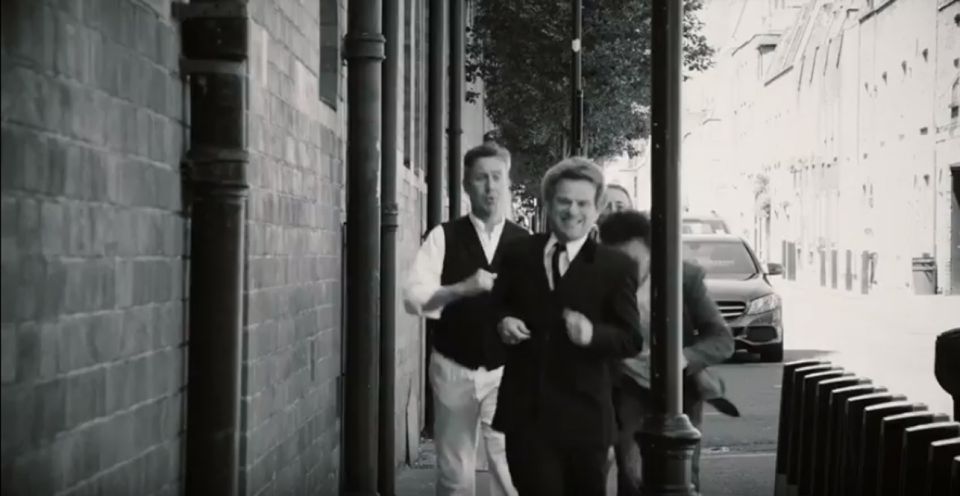
One of the most memorable parts is the chance to re-create the opening scenes of A Hard Day’s Night. This is the section where the tour stops being purely historical and becomes playful. The guide sets up where you’ll be standing and what visual connection to look for, then you get a photo moment that feels like you’re stepping into the film.
Why this is a strong inclusion: it gives you more than a picture of a street. It gives you a picture with meaning. You get to align the location with the cinematic staging that made that early Beatles era so instantly recognizable.
You should plan to bring a camera-ready setup: phones charged, camera lens clean, and your small group positioned so you’re not shuffling mid-reenactment. Also, if it’s raining, keep your phone protected—this is a rain-or-shine tour, so you’ll want simple gear rather than wishful thinking.
This segment also tends to break the “serious tour” mold, which helps if your attention span is shorter or your feet start complaining. Moving from story to action makes the walking easier to tolerate, and it gives the guide an opening to hit additional details without losing the group.
The Apartments: Ringo, John, and the Hendrix Connection
After the initial film energy, the tour leans into something more personal: the places where the Beatles lived, socialized, and (in a few cases) overlapped with other music legends.
You’ll see spots connected to:
- Ringo Starr living with his first wife, told through an “if walls could talk” style of apartment storytelling
- John Lennon and Yoko and the scene connection to the naked album cover picture
- A Jimi Hendrix living and songwriting presence in London, tied to where he lived and worked during that time
This is where the tour can feel surprisingly emotional, even if you’re not an intense “fan biography” person. The stories don’t just say what happened. They help you picture how the Beatles’ real domestic world sat next to the public myth-making.
It’s also where you’ll understand why London is so central to the Beatles phenomenon. Their fame didn’t drop in from space. It grew in the context of specific rooms, routines, and neighbors. Even when you’re only seeing the exterior of a building, the guide’s framing helps the scene come alive in your mind.
A practical consideration: these are residential-area stops, which means sidewalks may be crowded and traffic noise can spike. If you want to hear every word, don’t hang back. Stay close enough to the guide so you can catch the details, because the tour is story-heavy and not every detail is repeatable once you miss it.
John’s Bigger-Than-Jesus Moment and Why It Still Pops
The tour includes coverage of the impact of John Lennon’s bigger than Jesus interview. This isn’t treated like a historical trivia fact. It’s framed as a turning point that affected how the band was viewed, discussed, and responded to.
That context matters because it changes how you read everything else you see. When you understand the kind of shock and controversy that interview created, you’ll see the Beatles’ London life as more than a cool swinging-era aesthetic. It becomes a world where fame wasn’t just fun and glamorous. It came with consequences.
If you like cultural history (music plus media plus public reaction), this stop helps you connect the music to the messy reality of the era. And if you mainly care about locations, it still adds value by explaining why certain landmarks and stories keep coming up in Beatles discussions.




Paul, Jane Asher, I Want to Hold Your Hand, and the Yesterday Thread
Another major storyline in the tour is Paul McCartney’s London life, with several stop types that connect directly to songwriting.
You’ll hear about the house where Paul lived with his girlfriend Jane Asher, including where Paul and John wrote I Want To Hold Your Hand. You’ll also get the thread about Paul dreaming the tune of Yesterday in the same London atmosphere.
Why these stops are worth the time: they help you track how songwriting happened in real spaces, not in a myth-factory. The tour makes a point of linking creativity to place, so you don’t just know the songs—you understand the environment they grew out of.
And this section is often where fans start asking questions, because it mixes relationship details with the creative timeline. If you’re traveling with friends who are only “casual Beatles,” this part helps them see the band as working artists instead of just icons.
As always, the outdoor setting means your best strategy is to be present. Don’t rely on background scrolling. Look at the building fronts, orient yourself, and let the guide’s story do the linking.
The Hey Jude Studio Stop and Why This Part Feels Real
The tour includes a look at the studio connection to The Beatles recording their classic hit Hey Jude. This is a different flavor than the “home” stops. Homes help you feel the personal side; studio connections help you feel the craftsmanship side.
For practical travelers, this is the section where you’ll notice the tour’s balance. It doesn’t keep you only on nostalgia streets. It also anchors the story in the professional work that made the music last.
You’ll likely get a few structured photo opportunities, so it’s a good moment to check your camera settings and get your best angles before you’re moving again. If you’re hoping for that “I was there” shot, the tour gives you repeated chances to do it—rather than one quick stop where you’re juggling rain, traffic, and a full group.
Abbey Road Crossing: Photos, Footsteps, and the Final Scene
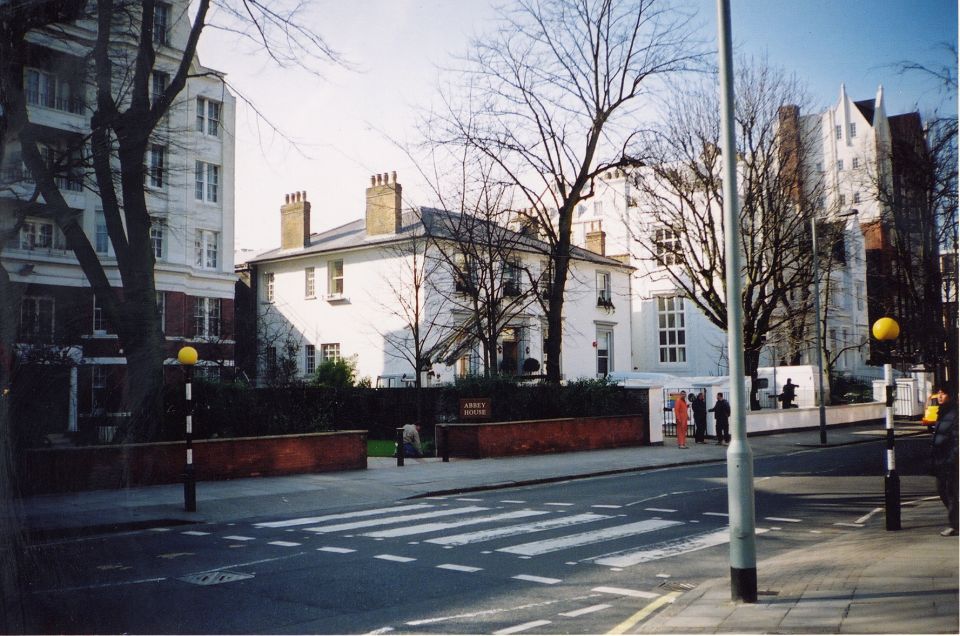
The final big finish is Abbey Road Studios and the famous Abbey Road crossing. This is the stop where the whole tour pays off. The guide sets up the picture moment, and the group usually shifts into “stand, pose, smile, repeat” mode.
The tour also uses a short trip on the underground to reach the Abbey Road area. Even though the tour says the underground hop is included in the experience, it also notes that the tube fare for the short journey to St John’s Wood is not included. In plain terms: you’ll follow the plan, but you’ll still pay the fare.
Timing matters here. Since the tour is 2 hours, it’s not a slow drift. You’ll move efficiently so you still get the Abbey Road photo hit. If you’re arriving hungry or thirsty, this is a reason to plan a snack and water before the walk starts—because once you’re in it, the pace is part of the deal.
One more practical reality: you may need to figure out how to get back after the tour depending on where you started and where the group ends (Abbey Road is the iconic endpoint). So keep your mapping app ready, and don’t treat the tour like an all-in-one transport service.
Price and Value: Is $26 Worth Two Hours?
At $26 per person for a 2-hour guided walk, you’re not paying for entry tickets to a museum. You’re paying for access to someone who can connect the dots between streets, songs, and scenes.
Here’s the value breakdown in real travel terms:
- You get a fully guided walking tour with story focus, not just wandering with a map
- You get photo opportunities at major moments, including the film reenactment style setup
- You get a short underground transfer to reduce how long you’d spend just traveling across town
- You’re walking a route that hits homes, cultural turning points, and a studio connection—so your time stays efficient
The main thing you should budget around is the tube fare for the short hop to St John’s Wood, plus your own transit back afterward. Once you account for that, the price still tends to look reasonable for a guide-led, high-density “Beatles in London” plan.
Also, since the tour runs rain or shine, you’re paying for a plan that doesn’t automatically fall apart with bad weather. That alone is meaningful if you’ve had a London day ruined by drizzle.
Who Should Book This Beatles In My Life Tour (and Who Should Skip It)
I think this tour fits best if you want a Beatles experience that’s:
- Location-based (Abbey Road, lived-in neighborhoods, studio connection)
- Story-driven (interview impact, songwriting connections, behind-the-scenes living details)
- Photo-friendly (recreation of film scenes plus classic crossing shots)
It’s also a strong option for families and mixed-age groups. People have described it as engaging for kids and still entertaining for older fans, mainly because the guide uses photos, humor, and set-piece moments like the reenactment.
Skip it if:
- You need wheelchair access (it’s not suitable for wheelchair users)
- You’re expecting a quiet, museum-like environment (street noise and crowds can interfere with hearing)
- You hate guided walking in residential areas where you might have to keep up with a group pace
And if you’re sensitive to sound, take this tip seriously: position yourself close to the guide, especially during louder traffic sections. One group note highlighted that hearing the guide can be tricky when the street gets noisy.
Should You Book Beatles In My Life with Richard Porter?
If you’re doing London for a limited number of days and you want your time to feel focused, I’d book this. It hits the stuff that most people can actually recognize fast—Abbey Road, the Beatles’ London homes, the A Hard Day’s Night reenactment moment, and the studio connection for Hey Jude. For $26, the density of story per hour is the big selling point.
If your top priority is quiet, slow, and deeply factual with zero performance moments, you might find the “act it out + photo it” sections a bit much. A few people also mention side stories can feel like they take over at times. That’s not a reason to avoid the tour entirely—it’s just a heads-up to go in expecting a lively guide who likes to talk.
Overall, this is the kind of tour that turns London into a Beatles map you can carry home.
FAQ
How long is the Beatles In My Life walking tour?
The tour lasts 2 hours.
Where does the tour meet?
You meet outside the main archway entrance of Marylebone Station.
Who guides the tour?
The experience is led by a live English-speaking guide, with Richard Porter specifically referenced for this tour.
How much does it cost?
The price is listed as $26 per person.
What is included in the tour price?
It includes a fully guided walking tour, a short trip on the underground to the Abbey Road area, and photo opportunities.
Is the underground fare included?
The tour notes that the fare for the short tube journey to St John’s Wood for Abbey Road is not included.
What should I bring?
Bring comfortable shoes.
Is the tour run in bad weather?
Yes, the tour runs rain or shine.
Is the tour suitable for wheelchair users?
No, it is not suitable for wheelchair users.
FAQ
Can I cancel for a refund?
Yes. Free cancellation is offered up to 24 hours in advance for a full refund.
Is it a walking-only experience?
No. It includes walking plus a short underground ride as part of getting to Abbey Road.
Are large bags or luggage allowed?
No. Luggage or large bags are not allowed.
What language is the tour?
The tour is in English.