REVIEW · LONDON
London: Architecture Tour of Benjamin Franklin House
Book on GetYourGuide →Operated by Benjamin Franklin House · Bookable on GetYourGuide
One house tells a whole era. This Benjamin Franklin House architecture tour in Craven Street mixes the life of Franklin with the quirks of a five-storey townhouse that still stands today.
I like it for two main reasons: it’s the only remaining home of Benjamin Franklin in London, and it’s a Grade I listed building with standout Georgian and Victorian details. The drawback to know up front is simple: the house has no wheelchair access, and the stairs are uneven and sloping.
In This Review
- Key reasons this tour feels worth your time
- Why Benjamin Franklin’s surviving house in London is special
- Knocking on 36 Craven Street: start-to-finish pacing
- Grade I townhouse architecture: what makes this building worth your attention
- Franklin’s London life: kitchen details, the London diet, and why he came
- Upstairs rooms and Margaret Stevenson’s parlour: where rented life becomes real history
- The Craven Street Bones connection and Hewson’s anatomy school
- Franklin’s parlour: experiments, politics, and the man behind the ideas
- The Glass Armonica Room: the hands-on ending that makes it memorable
- Practical details that can change your comfort level
- Guides like Ron and Brian: how the storytelling lands
- Price and value: is $16 for an hour a good deal?
- Who should book this Benjamin Franklin House tour?
- Should you book this tour?
- FAQ
- How long is the Benjamin Franklin House architecture tour?
- What does the $16 price include?
- Where do I meet for the tour?
- Are children allowed, and do they pay?
- Can I take photos during the tour?
- Is the tour wheelchair accessible?
- Where are the restrooms?
- What items or activities are not allowed inside?
- Is there a live guide, and what language is the tour in?
- Can I cancel or pay later?
Key reasons this tour feels worth your time
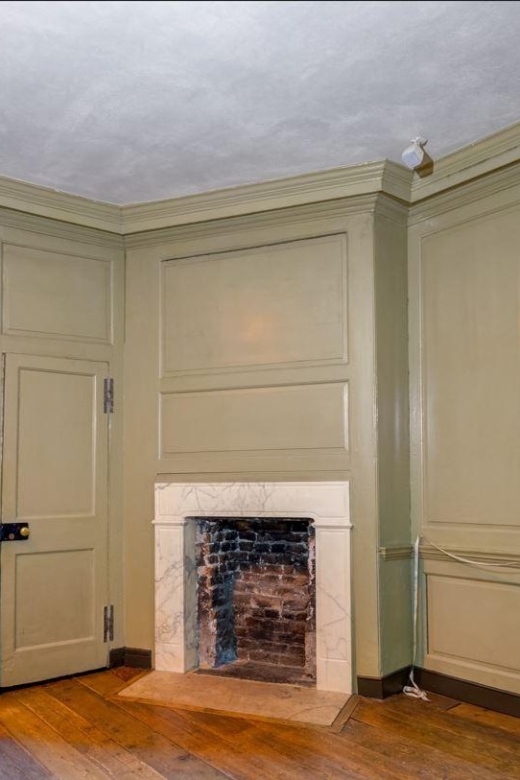
- Benjamin Franklin lived here for 16 years, and the tour brings that London chapter into focus.
- The building is Grade I listed, so you’re looking at architectural features meant to survive for centuries.
- You’ll hear about the Craven Street Bones story and surgeon Hewson’s anatomy school connections.
- The tour connects rooms to people, from Franklin’s experiments to Margaret Stevenson’s parlour.
- You get a playful finish in the Glass Armonica Room, where you’re invited to try the instrument.
Why Benjamin Franklin’s surviving house in London is special
If you like history that isn’t locked behind a museum label, this is for you. Benjamin Franklin spent a major slice of his life in London—16 years—and this is the only remaining home tied to that time. That single fact changes the whole tone of the visit. You’re not reading about someone who happened to pass through. You’re walking the rooms where he lived, worked, argued, and shaped ideas before he returned to America.
What I really enjoy is how the tour treats the house as part of the story. The architecture isn’t just background. The townhouse layout—five floors, stair runs between levels, and uneven, sloping steps—forces you to experience the building the way people once did. That kind of physical reality makes Franklin’s choices feel more grounded.
And because the house is Grade I listed, the tour leans into original Georgian and Victorian features rather than generic set dressing. It’s a rare chance in London to connect an important figure to the actual bones of where he lived.
You can also read our reviews of more tours and experiences in London.



Knocking on 36 Craven Street: start-to-finish pacing
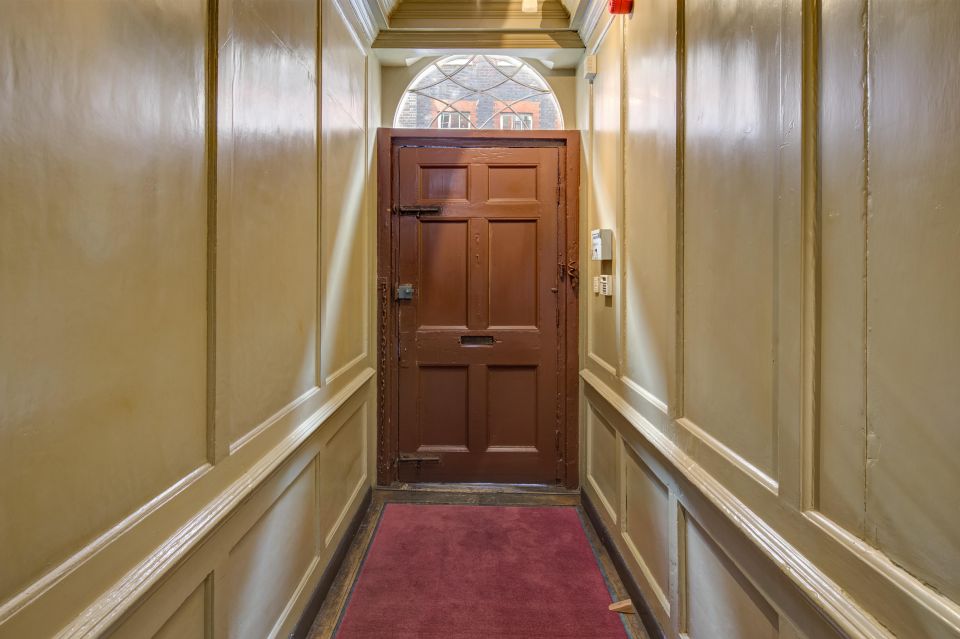
Tours last about an hour, and you’ll follow your guide through the building while they connect Franklin’s biography to the rooms you’re standing in. The rhythm is practical: you start at ground level, move floor by floor, and end with a fun stop where you can try the Glass Armonica.
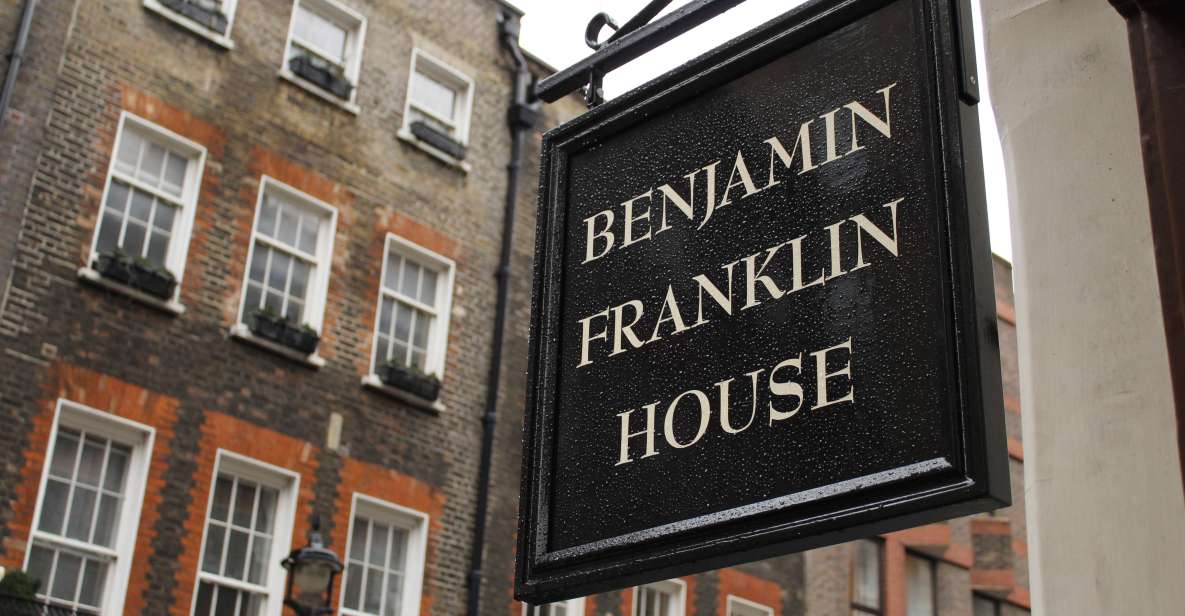
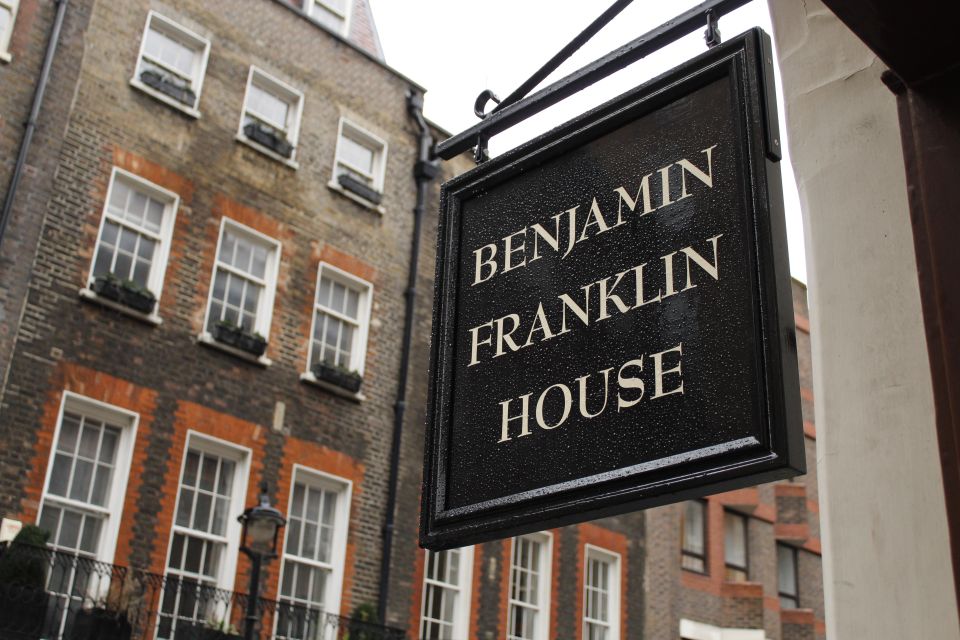
You’ll meet by knocking on the 36 Craven Street door, located below the Benjamin Franklin House sign. It’s a small, specific instruction, but it helps you avoid the usual London scavenger hunt vibe.
The tour is in English with a live guide, and there’s time at the end for questions. That matters here, because Franklin isn’t just one topic. You’re bouncing between architecture, daily life, politics, experiments, and a surprising anatomy-school thread that runs through the story in a way you might not expect when you first book.
Photos are welcome and you can ask questions during the visit. Just skip flash photography, since the house has rules designed to protect historic interiors.
Grade I townhouse architecture: what makes this building worth your attention
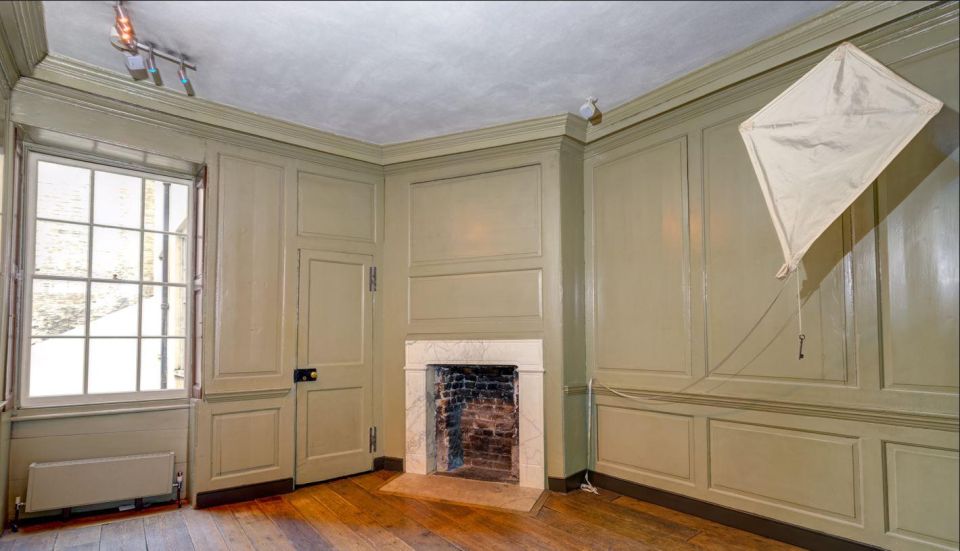
This isn’t a tall monument where you look up and call it a day. Benjamin Franklin House is a five-storey townhouse with stairs between each floor—and that detail shows up immediately once you start moving. The stairs are uneven and sloping, and the floors aren’t perfectly level either. The good news: there are handrails on all staircases and visitor seating in all the historic rooms.
Because of the Grade I status, the tour frames what you see as conservation in real life. You’ll hear how the house spans from the 1730s to the modern day, including the conservation work that let it open as a visitor site in 2006. That bridge is useful. It turns the visit into more than nostalgia—it becomes a conversation about preserving original features while keeping the building readable for visitors.
A small but important point for planning: there’s no wheelchair access. Even if you don’t need a chair, it helps to know this route involves stairs you’ll be using.
One more practical note: because the building is historic and segmented into floors, you’ll spend time moving vertically. Bring the mindset that this is a walk through a real home, not a level, elevator-friendly experience.
Franklin’s London life: kitchen details, the London diet, and why he came
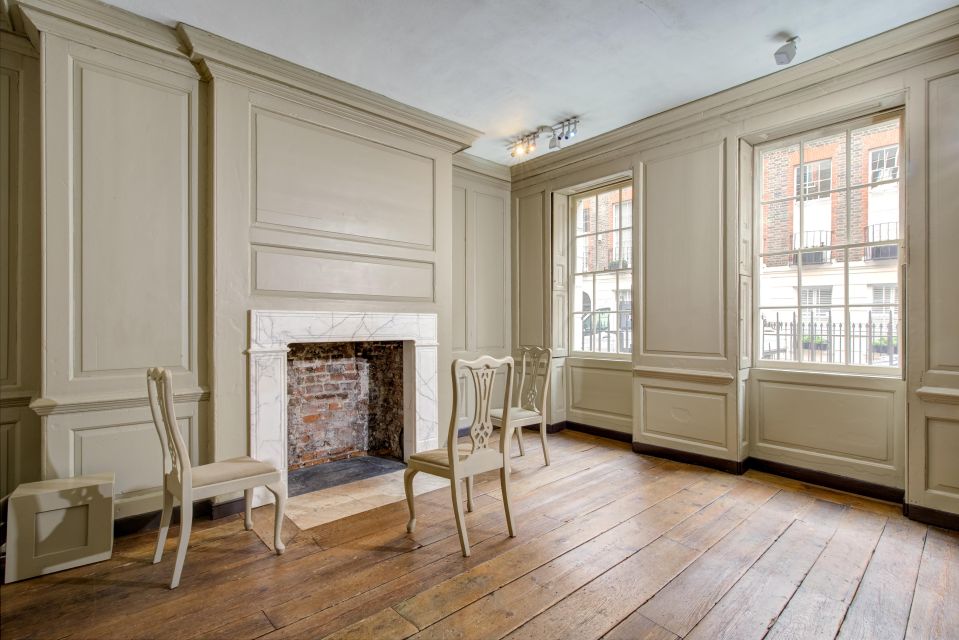
The tour’s best trick is how it ties daily life to larger ideas. You begin in the kitchen area, where you can pick up on the idea of what people ate and how that fit into Franklin’s thinking. The guide explains what you’re seeing through the lens of Franklin’s London experience, including Georgian food and Franklin’s thoughts on the London diet.
That part matters because diet and habits sound minor until you realize Franklin paid attention to the everyday. He wasn’t only interested in big political statements. He also cared about how people lived, what they consumed, and what that meant for health and culture.
Then the story moves from food to the kind of intellectual life Franklin wanted. You learn why he came to London and how the city’s networks helped him do what he was already doing—observing, experimenting, and pushing ideas into action. The guide keeps the pace quick enough that the tour doesn’t turn into a lecture, but detailed enough that you leave understanding why Franklin’s London chapter mattered, not just when it happened.
Upstairs rooms and Margaret Stevenson’s parlour: where rented life becomes real history
As you head upstairs, you’ll meet Margaret Stevenson, a wealthy widow from whom Franklin rented. Her presence isn’t just a name in the background. The tour uses her parlour as a stage for Franklin’s day-to-day life and social world.
In her parlour, you’ll hear about the influential guests Franklin met and the kind of discussions they had about current affairs. That’s where the house feels most alive. You can almost picture the shifting interests in the room—the way politics, ideas, and practical knowledge mingle when the people in the conversation are powerful or curious.
The guide also connects Franklin to the Stevenson family on a more personal level: his relationship with Margaret Stevenson and the links to his own family back in America. That balance is important. It keeps Franklin from turning into a distant genius. He becomes a person with ties, obligations, and relationships that shaped his choices.
And then comes the closing chapter that gives the tour its emotional snap. In 1776, Franklin left London and the Stevenson family when he returned to America to sign the Declaration of Independence. The story is clear: he never returned to London. After hearing that, the house shifts from a set of rooms into a final pause in Franklin’s journey.





The Craven Street Bones connection and Hewson’s anatomy school
One of the most intriguing parts of the tour is the stop that explores Craven Street Bones and the connections to surgeon Hewson’s Anatomy school. It’s the kind of detail that makes you look at the area’s past differently, because it points to how London’s medical training and curiosity sat in the same world as Franklin’s social and intellectual life.
I like how the guide makes this feel connected rather than tacked on. Instead of treating it like a random spooky tidbit, it’s presented as part of what the house and its nearby world were wrapped up in—knowledge, training, and the bold willingness of people to experiment, observe, and teach.
If you’re the kind of person who enjoys architecture tours where the buildings are linked to real professions and real education, this is one of the stops that will stick with you. It turns the tour into something more than decorative history.
Franklin’s parlour: experiments, politics, and the man behind the ideas
Franklin’s most personal floor is his rented space—his parlour, where he lived in the house for 16 years. This is where the tour really locks onto Franklin as a thinker with habits, not just an origin story.
Expect to learn about his experiments, his political beliefs and actions, and his eccentric personality. The key is how the guide connects these traits to the setting you’re standing in. The room isn’t just a backdrop. It’s part of how Franklin operated: a place where he could test ideas, hold conversations, and move between practical curiosity and public life.
This is also where you’ll get a clearer picture of how Franklin worked during his London years—building momentum that would eventually take him back across the Atlantic.
If you want a tour where you come away with more than dates and architecture terms, this parlour segment is the heart of the experience.
The Glass Armonica Room: the hands-on ending that makes it memorable
Most architecture tours end with photos and a gift shop glance. This one gives you an active finale. The tour finishes in the Glass Armonica Room, and guests are invited to try playing a tune on Franklin’s instrument.
You don’t have to be musical. Think of it as a way to break the history spell for a minute and turn the experience into something your body remembers, not just your phone camera.
It’s a clever way to connect Franklin’s experimental mindset with sound and design. Even if you only get a simple tune, you’ll leave with a smile—and a clearer mental link between Franklin the inventor and Franklin the person living in a real London townhouse.
Practical details that can change your comfort level
Before you go, read these and plan accordingly so the visit stays smooth.
This is a five-storey townhouse with uneven, sloping stairs between floors. There are handrails and visitor seating in the historic rooms, which helps a lot, but the physical layout still matters. If stairs are a challenge for you, you’ll want to take this into account since there’s no wheelchair access.
Restrooms are downstairs in the basement, and there is no accessible restroom. The tour moves you upward through historic spaces, so it’s wise to use the restroom before you settle into the higher rooms if you can.
Photography is allowed, but no flash photography. Audio recording is also not allowed, and you should expect house rules typical of historic interiors: no smoking or vaping indoors, and no drinks or alcohol during the visit. Pets aren’t allowed either, though assistance dogs are permitted.
One last small thing: there’s a gift shop onsite. Browsing is encouraged, but the tour is clearly about the building and the story, not shopping pressure.
Guides like Ron and Brian: how the storytelling lands
Two names came up from guides involved with this house: Ron (a volunteer) and Brian. If you’re lucky enough to get a guide with that kind of energy, you’ll notice the difference immediately. The tour isn’t only factual—it’s enthusiastic, with extra detail that makes Franklin’s world feel closer.
I also appreciate that the guides invite questions. Franklin’s life touches politics, science, medicine-adjacent ideas, and social networks. Having time to ask what something means is a big part of why this works as an experience rather than just a walk-through.
Even with the occasional friction—like people needing to pause while someone gets settled at the door—the overall delivery aims to keep the tour clear, lively, and anchored to what you’re seeing.
Price and value: is $16 for an hour a good deal?
At $16 per person for an hour-long guided visit that includes entry to the House, this is solid value for central London. You’re paying for more than access—you’re paying for a guide who ties together architecture, Franklin’s London life, and a few surprising threads like Craven Street Bones and the anatomy school connection.
It also helps that children under age 12 enter for free. That makes it easier for families to include one focused, educational stop without turning the budget into a stress test.
Where the value shows up most is the balance. A lot of London tours either go heavy on facts and forget the rooms, or they point out decorative details and forget why the person mattered. This one tries to do both, and because the building is the star, it doesn’t feel like a generic talk.
Who should book this Benjamin Franklin House tour?
Book it if you want:
- A Benjamin Franklin London experience that’s tied to the actual rooms he used.
- An architecture-focused tour with Grade I Georgian/Victorian features, not just biography.
- A story that includes more than politics—food, experiments, daily life, and even the anatomy-school angle.
- An ending that’s hands-on, with the glass armonica experience.
It may be less ideal if you strongly need step-free access, since the house isn’t wheelchair accessible and the stairs are uneven and sloping. If you’re fine with stairs, this becomes a rewarding, one-hour use of your day.
Should you book this tour?
Yes, I’d book it. This is one of those London experiences where the setting does a lot of the storytelling for you. The mix of architecture details, Franklin’s personal London life, and the standout Craven Street Bones/Hewson anatomy school thread gives you variety without chaos.
If you’re short on time, the hour-long format is a win. If you love authentic places over generic attractions, the fact that it’s Franklin’s surviving home makes the whole visit feel more meaningful.
Just go in knowing the building has real stairs and real rules, and you’ll have an easy, memorable hour in Benjamin Franklin House.
FAQ
How long is the Benjamin Franklin House architecture tour?
Tours last about an hour.
What does the $16 price include?
The price includes entry to the House and an hour-long guided tour, with time for questions at the end.
Where do I meet for the tour?
Meet by knocking on the 36 Craven Street door, below the Benjamin Franklin House sign.
Are children allowed, and do they pay?
Children under age 12 enter for free.
Can I take photos during the tour?
Yes, photos are allowed. Flash photography is not allowed.
Is the tour wheelchair accessible?
No. The building has no wheelchair access.
Where are the restrooms?
Restrooms are downstairs in the basement, and there is no accessible restroom.
What items or activities are not allowed inside?
Pets are not allowed (assistance dogs are allowed), and smoking indoors, vaping, drinks, flash photography, audio recording, and alcohol and drugs are not allowed. Bare feet are also not allowed.
Is there a live guide, and what language is the tour in?
Yes, there is a live tour guide, and the tour is in English.
Can I cancel or pay later?
You can cancel up to 24 hours in advance for a full refund, and you can reserve now and pay later.