REVIEW · LONDON
Law in London Private Tour
Book on GetYourGuide →Operated by Greenwich Royal Tours · Bookable on GetYourGuide
London’s court buildings have a gravity you can feel. This private walk through the legal heart of town gives you that real feeling, with a lawyer guide who can point out how British law works in practice and how it changed over time. I especially loved the chance to tour inside the Royal Courts of Justice and sit in as an actual case was heard, not just look at famous facades.
Second, I liked how the route blends landmark architecture with the working world of law. You move from the Old Bailey’s courtroom fame to the modern Rolls Building, then wind through the historic Inns of Court and Temple Church—finishing in a proper old-school pub with a half pint and a Magna Carta keepsake. The one drawback to consider: it’s Monday to Friday only, and it’s a moderate walking tour, so you’ll want to match your schedule and energy level.
In This Review
- Key highlights worth circling
- London’s Law District Feels Different on Foot
- Starting at the Royal Courts of Justice: where London’s legal pageantry lives
- Old Bailey and the British Law Society: courtroom fame plus a tea break reset
- Rolls Building: the modern side of disputes
- Inns of Court and Tony Blair’s cloisters: law as tradition and power
- Temple Gardens and Temple Church: where the story has stage props
- Finishing at the Old Cheshire Cheese Pub: a half-pint and a Magna Carta copy
- The “lawyer guide” factor: when it’s a strength, and when to calibrate expectations
- What the timing and walking mean for real life
- Value for your money: what you’re actually getting
- Who should book this private London law tour
- Should you book the Law in London Private Tour?
- FAQ
- How long is the Law in London private tour?
- Is this a private tour?
- Where do I meet the guide?
- What days and times does the tour run?
- What does the tour include?
- Will we go inside the Royal Courts of Justice?
- Do we sit in on a real court case?
- What drink is provided at the end of the tour?
- Is Magna Carta included?
- Are tips included in the price?
Key highlights worth circling
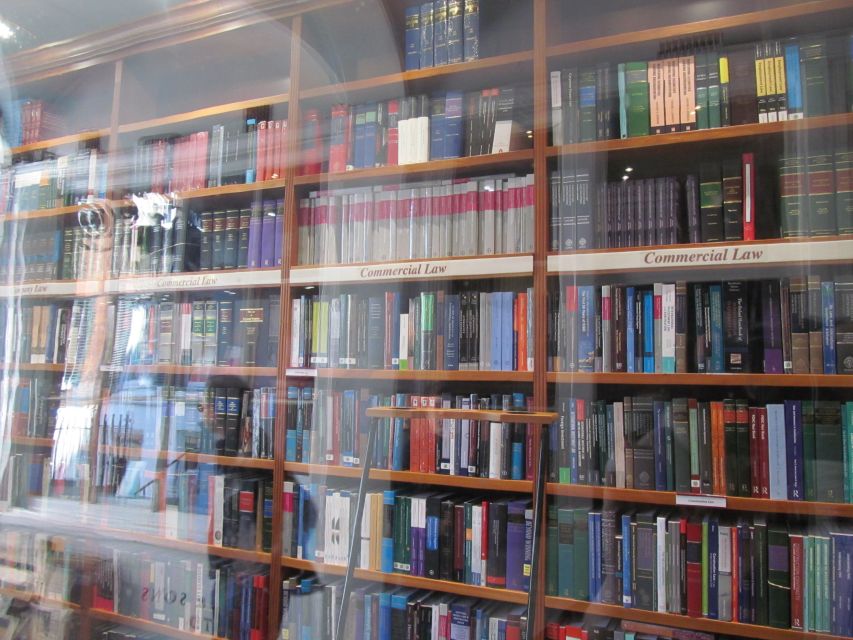
- Royal Courts of Justice interior visit with time to watch proceedings as a case is heard
- Old Bailey courtroom heritage tied to landmark trials and courtroom culture
- Rolls Building stop that shows how complex disputes are handled today
- Inns of Court atmosphere with a pass by Tony Blair’s law offices (the cloisters) before politics
- Temple Church and its film-story fame that connects law, legend, and London streets
- Old Cheshire Cheese Pub half-pint plus a complimentary Magna Carta reproduction copy
London’s Law District Feels Different on Foot
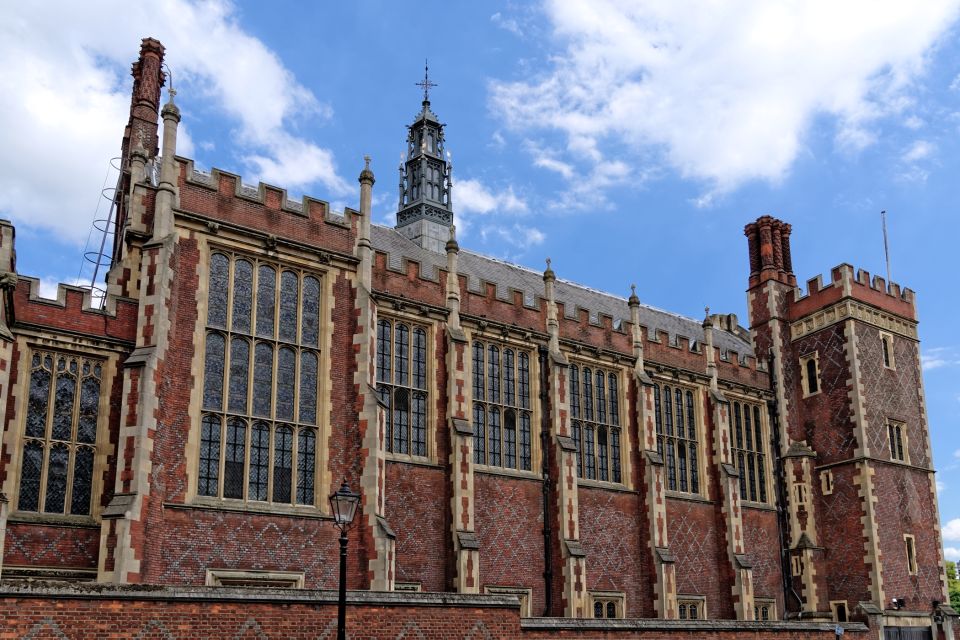
If you mostly know London from photos and top-10 lists, this route will recalibrate your brain. Here, the buildings aren’t just pretty. They signal how rules get argued, how cases get processed, and how the legal system evolved from older traditions into modern practice.
Because this is a private tour, you’re not rushed between stops. Your guide can pace the day around your questions and your comfort level, which matters when you’re walking between court buildings that can feel intense. The tone is part educational, part atmospheric—think courtroom drama without the movie script.
Also, you’ll be walking through an area that still functions. That makes the story feel less like trivia and more like a living system in stone and procedure.
You can also read our reviews of more private tours in London



Starting at the Royal Courts of Justice: where London’s legal pageantry lives
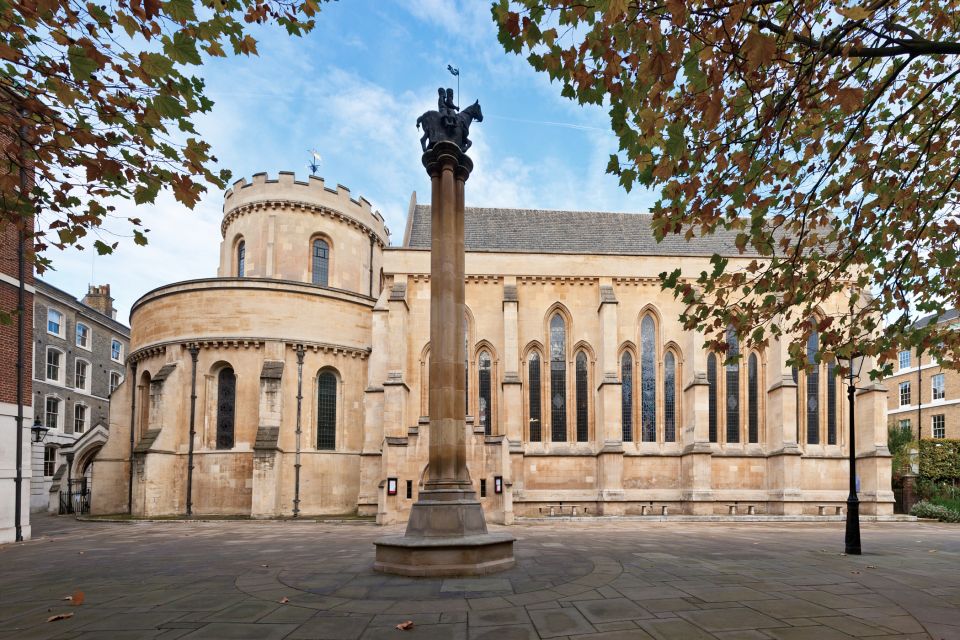
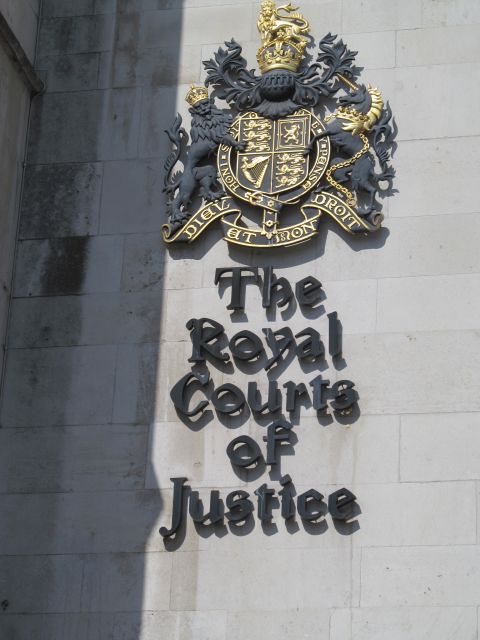
You meet at the front entrance to the Royal Courts of Justice on the Strand. From the first steps, you can see why this is the perfect place to begin: it’s grand, clearly designed to impress, and built for authority.
Inside, you’ll tour the venue, and the key moment is the chance to sit in on an actual court case being heard. That’s the part that changes how you understand everything else you’ll see later. Reading about British court culture is one thing. Watching how matters are handled in real time is another.
This stop also comes with a built-in lesson: these buildings are Victorian-era powerhouses, yet the system inside isn’t frozen. It continues to operate, which is exactly what your guide helps you connect as you move through the rest of the day.
One more practical point: your guide is a lawyer, and the tour is built around answering questions as long as they’re legal to discuss. If you’re the type who asks “why is it done that way?” you’ll likely enjoy how the guide connects courtroom reality to legal history.
Old Bailey and the British Law Society: courtroom fame plus a tea break reset
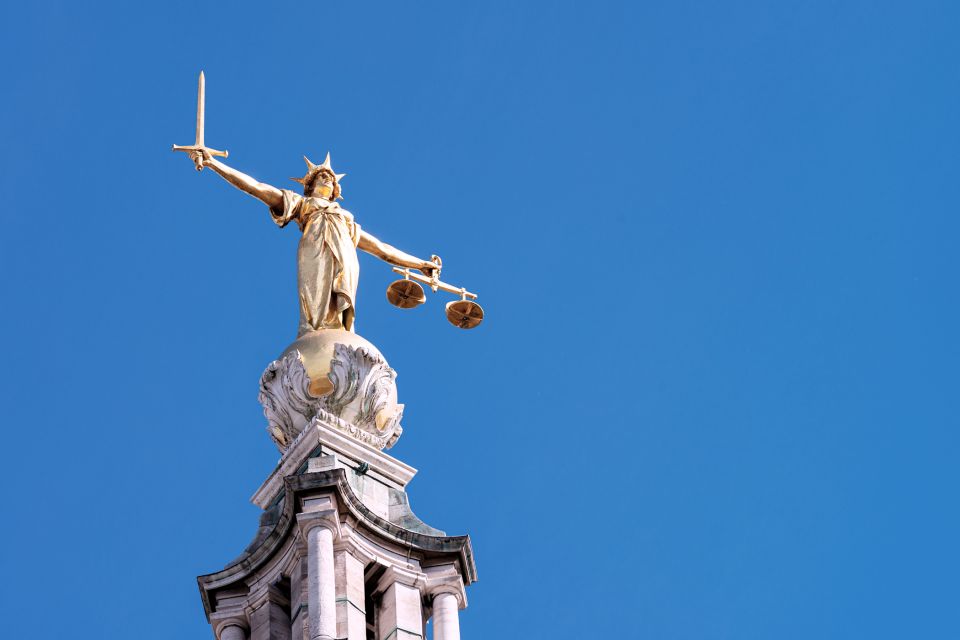
After the Royal Courts, you head toward the Old Bailey, one of the most famous courtroom sites in the world. It’s the setting that pops up again and again in stories about criminal justice. Here, you’re not just looking at the idea of trials—you’re stepping into the place where famous cases were heard, including the Lady Chatterley’s Lover obscenity trial.
Then there’s a thoughtful pause: you’ll visit the British Law Society building and take time for tea or coffee. I like this break because it gives your brain a minute to switch modes. You go from heavy courtroom atmosphere back to normal human conversation, then you’re ready for what comes next.
In practical terms, that tea/coffee stop also helps make the whole day feel balanced. A three-and-a-half-hour walking tour can start to feel long if every stop is a tight information sprint. This one intentionally gives you recovery time.
Rolls Building: the modern side of disputes
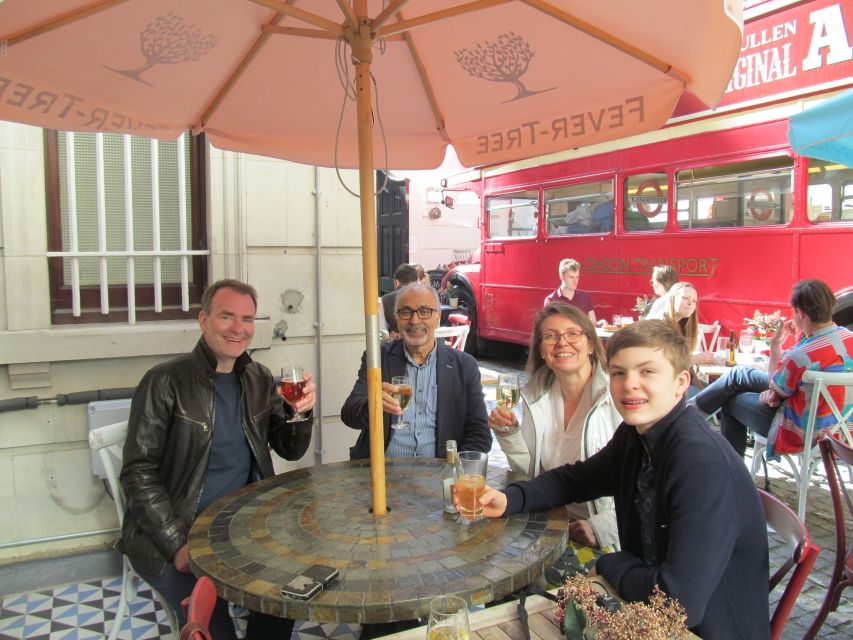
Next is the Rolls Building, a major contrast to the older court landmarks. This stop matters because it connects the story of law to the current day—especially for disputes that don’t fit the simpler, old-fashioned “one crime, one trial” idea.
Your guide will point out that the Rolls Building is increasingly important, including for complex cases where major parties come to settle disputes. You’ll get the sense that the legal system has new needs and new rhythms, and the building reflects that shift.
If you’re a fan of real-world systems—how people handle specialized problems—this part tends to land well. It’s the “today” chapter of the story, and it prevents the tour from becoming only a walk through nostalgia.
Inns of Court and Tony Blair’s cloisters: law as tradition and power
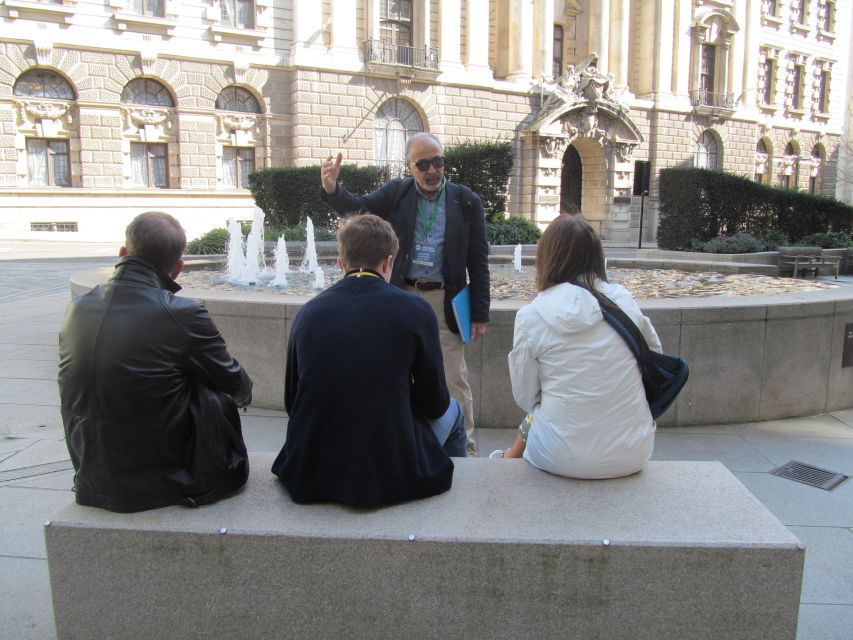
From the Rolls Building, the tour moves through the Inns of Court area. This is where London’s legal identity becomes visible in a different way—not as one courthouse, but as a network of legal tradition.
As you pass through, you’ll go by the spot where former Prime Minister Tony Blair had his cloisters, his law offices prior to entering politics. That detail is more than a name-drop. It anchors the idea that law and leadership aren’t separate worlds. People move between them.
The Inns of Court also work as a kind of scenic storytelling. You’re not just standing in one place to absorb facts. You’re walking through a legal neighborhood that has its own pace and vibe, which makes the history feel lived-in rather than displayed.




Temple Gardens and Temple Church: where the story has stage props
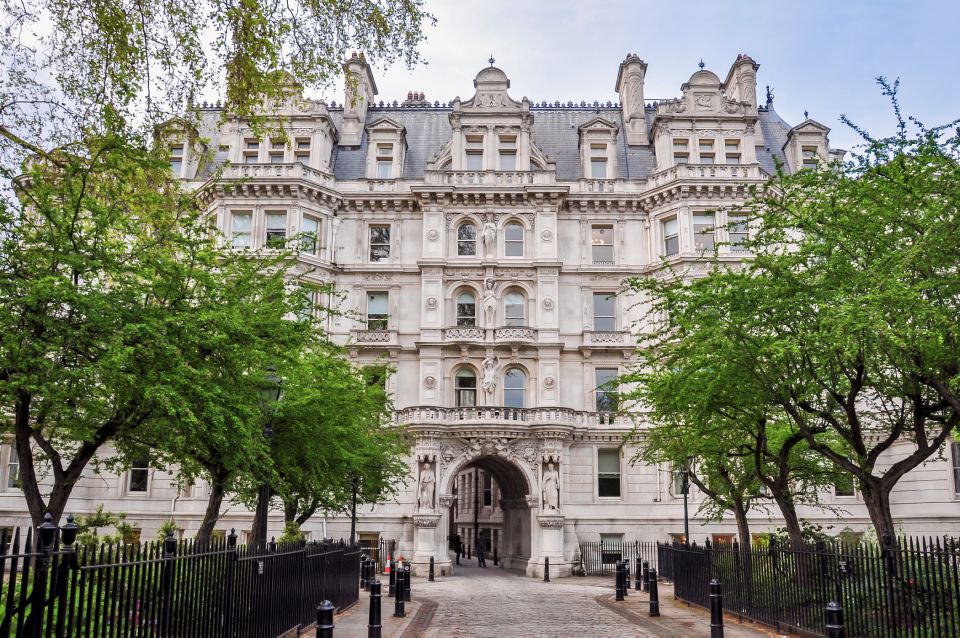
After the Inns, you’ll walk through the Temple Gardens and then visit Temple Church. This stop is famous beyond law circles because it has a cultural footprint connected to Dan Brown’s Da Vinci Code, and it’s noted that the Hollywood movie was shot there.
Here’s the real value: the tour uses the pop-culture angle to get you paying attention to place. Once you’re there, you can start looking at the building as more than a film location. It becomes part of the broader London legal landscape—another piece of how institutions and beliefs shape each other.
Temple Church sits in a spot where atmosphere does work. You get history you can see, plus a guided explanation that helps it connect back to the legal theme of the day.
Finishing at the Old Cheshire Cheese Pub: a half-pint and a Magna Carta copy
Every good London walking tour needs a release valve. This one ends at the Old Cheshire Cheese Pub, a classic London stop that keeps the day grounded.
You’ll be served a complimentary half pint of British ale on tap (or a soft drink, depending on what you prefer). It’s a simple detail, but it’s a smart one. After court buildings and serious architecture, you’re suddenly back in normal life, talking through what you just learned.
And there’s a souvenir that fits the theme: you’ll receive a copy of the Magna Carta of 1215. You’re not getting a generic postcard. You’re leaving with something that traces the idea of legal rights and the roots of England’s legal system.
It’s the kind of thing that makes the tour feel complete: you finish with the story and an artifact to remember it.
The “lawyer guide” factor: when it’s a strength, and when to calibrate expectations
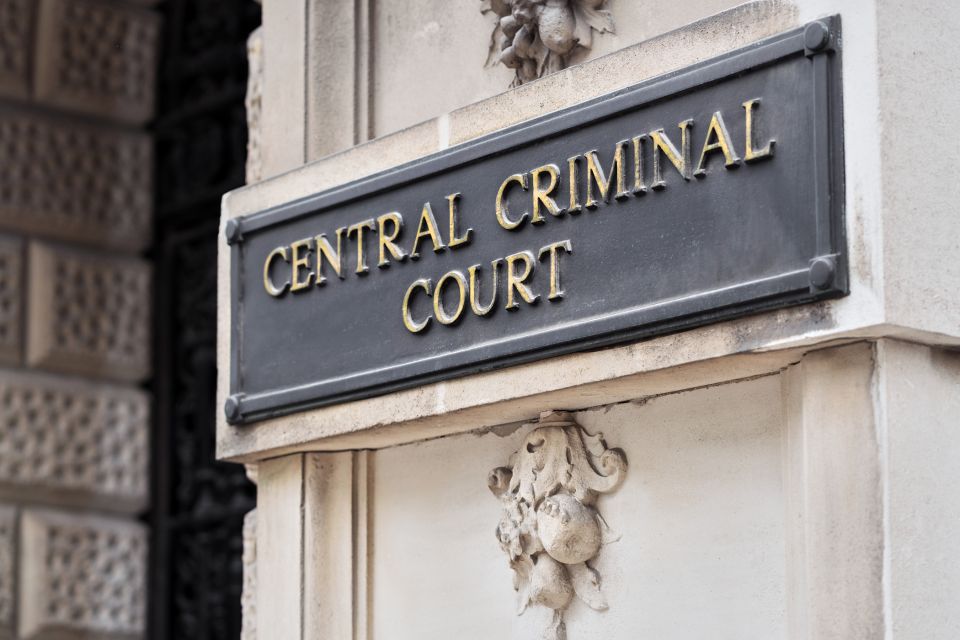
One reason this tour stands out is the guide is a lawyer. That can change everything in how questions get answered and how the legal system is explained. When your guide can translate real procedure into clear language, you stop feeling like you’re watching law from behind glass.
I also like that the tour is set up with flexibility. A few guide reports highlight that good guides can tailor the tour to your interests and abilities, including for visitors who are lawyers themselves. If you’re coming from another country’s legal system—especially one with different courtroom traditions—you may enjoy the contrasts the guide draws.
Still, a balanced view matters. One experience flagged disappointment because the guide didn’t answer most of their law-oriented questions. That doesn’t mean all guides are the same, but it does tell you how to prepare your expectations: this is a sightseeing-and-explanation tour, not a private legal seminar. If you want deep technical answers, come ready with general law questions and curiosities, not a full casework checklist.
What the timing and walking mean for real life
This is a 3.5-hour tour that runs Monday to Friday, starting at 1:30 p.m. to 5 p.m. That schedule can be perfect if you’re planning a weekday London day around something focused, or a little rough if you only have weekends open.
The pace is described as moderate fitness. That usually means you should be fine with an outdoor walking route and some time spent standing indoors in public buildings. If you’re sensitive to long stretches on your feet, you’ll want to think carefully before booking.
Language is English, and the tour is private, so it’s designed for conversation rather than a big-group lecture. That’s a big quality-of-life factor if you want your questions answered in real time.
Value for your money: what you’re actually getting
On price, you’ll see it listed at about $364 per person, and you may also see a UK pricing option that mentions £225 per person for a couple, with the note that adding more people reduces the per-person cost. Children age 5 and under are free.
So is it worth it? For me, the value depends on what you care about most:
- If you want real access (including touring inside Royal Courts of Justice and sitting in on an actual case), the included admissions and built-in access can justify the cost more easily than a generic architecture walk.
- If you’re the type who likes guided interpretation—someone who can explain how law has evolved—then the lawyer guide is the main part of what you’re paying for.
- If you’re hunting for the cheapest London activity, this won’t compete with free sights. But the experience is concentrated and theme-driven, not scattered.
Also, the complimentary touches aren’t just extras. The half-pint and the Magna Carta reproduction are tied to the theme, so the ending feels like a wrap-up rather than a random stop.
Who should book this private London law tour
This tour fits best if you fall into at least one of these groups:
- You like legal dramas, courtroom storytelling, or want to see where the real system plays out
- You want a guided walk through landmark buildings with context you can actually use
- You’re traveling with someone who enjoys architecture and institutions, not just museums
- You’re a student, writer, or curious visitor who asks how systems work, not only what they look like
It’s also a strong fit for families with teenagers who can follow English conversation. One guide report specifically recommended it for families with teen kids who speak good English, and that aligns with how the tour is designed: conversation and explanation, not just a hard stop-and-go checklist.
Should you book the Law in London Private Tour?
Book it if you want London law as an experience, not a poster. The Royal Courts of Justice inside visit, the chance to sit in as a case is heard, and the lawyer guide’s explanations make this more than sightseeing.
I’d skip it or rethink your expectations if you’re only interested in legal theory or highly technical answers. This is a walking, atmosphere-and-context tour with real access to major landmarks. Come with curiosity, not a demand for a legal dissertation.
If you can match the Monday to Friday 1:30 p.m. window and you’re comfortable with a moderate walking pace, this is the kind of tour that stays with you—because you don’t just see the places where justice happens. You understand what you’re seeing.
FAQ
How long is the Law in London private tour?
The tour lasts 3.5 hours.
Is this a private tour?
Yes. It’s a private group, meaning it’s just you with your guide.
Where do I meet the guide?
You meet at the front entrance to the Royal Courts of Justice on the Strand.
What days and times does the tour run?
It runs Monday to Friday, from 1:30 p.m. to 5 p.m.
What does the tour include?
It includes admissions to venues including the Royal Courts of Justice, a lawyer guide, a complimentary half pint of ale (or soft drink), and a copy of the Magna Carta of 1215.
Will we go inside the Royal Courts of Justice?
Yes. The tour includes entering the Royal Courts of Justice and touring the building.
Do we sit in on a real court case?
The tour description says you’ll sit in on an actual court case as it’s being heard.
What drink is provided at the end of the tour?
You’ll be served a complimentary half pint at the Old Cheshire Cheese Pub (ale on tap, or a soft drink).
Is Magna Carta included?
Yes. You get a complimentary reproduction copy of the Magna Carta of 1215.
Are tips included in the price?
No. Gratuity is not included.