REVIEW · JACK THE RIPPER TOURS
Las noches de Jack the Ripper in Spanish
Book on GetYourGuide →Operated by Las noches de Jack el destripador · Bookable on GetYourGuide
A real killer walks your route in Spanish. This 2-hour walk through Whitechapel turns Jack the Ripper’s story into a live, dramatized experience with sarcasm and terror, guided by his spirit. I love the commitment to delivering true facts in a theatrical way, and I also love how the route threads together places that connect the case to real neighborhoods. The one drawback: it’s intense and not for kids under 14, and you should only book it if you’re comfortable with a grim subject.
If you want history that feels like street-level storytelling, this tour does it for you. I like that the guide’s characterization is strong and clearly builds atmosphere, so the walk doesn’t feel like a basic lecture. Another consideration is language: the tour is Spanish, so plan on following the story in Spanish from start to finish.
In This Review
- Key things I’d bet you’ll care about
- Tower Hill Sundial Start: finding the red-masked Jack
- Jack el destripador in Spanish: true facts with dramatized bite
- Goulston Street and Mitre Square: the narrative spine of Whitechapel
- Chamberlain and Algate Church: where the tour explains the neighborhood, not just the crime
- Roman Wall of Londinium: ancient London meets 1888
- Artillery Passage and the dark-corner feeling
- Spitalfields Market and The Ten Bells: ending the walk on theme
- Price and value: why $5.39 can work for what you get
- Who this tour fits best (and who should skip it)
- Book it or skip it: my decision rule
- FAQ
- FAQ
- What language is the tour in?
- Where does Las noches de Jack el destripador start?
- How do I recognize the guide at the start?
- How long is the tour?
- What stops are included on the route?
- Is this tour suitable for children?
- Is the tour meant to be fiction or factual?
- Is tipping included in the price?
Key things I’d bet you’ll care about
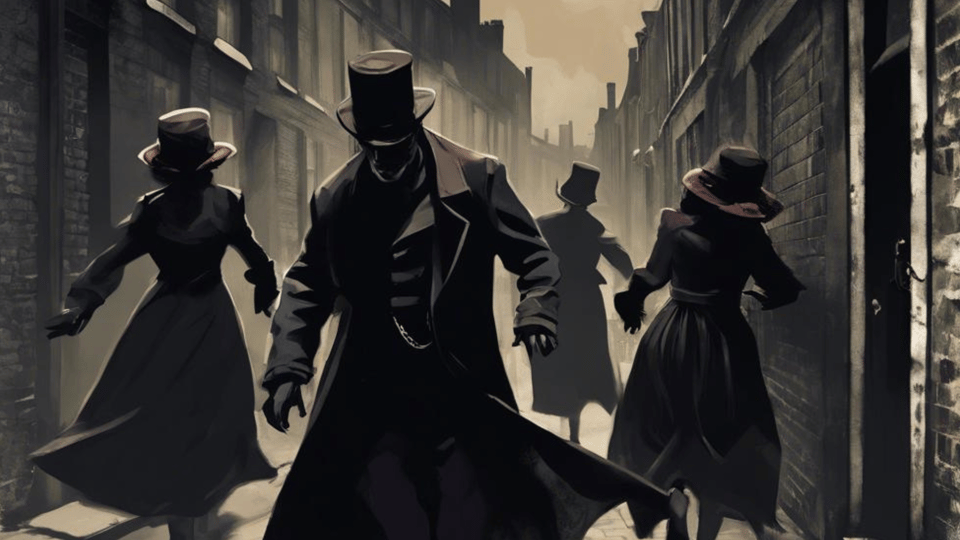
- Red mask and umbrella meet you at Tower Hill, so you’ll know exactly where to start
- True, fact-focused storytelling presented as Jack’s spirit guiding you through the streets
- Strategic Whitechapel stops that map the 1888 femicides to specific locations
- Ancient London meets the case at the Roman Wall of Londinium stop
- A strong, character-driven guide (Javier) who stays in role
- Ending at The Ten Bells, with a final stop that ties the night theme together
Tower Hill Sundial Start: finding the red-masked Jack
The experience begins outside Tower Hill Station, right at street level, by the sundial. You’ll be looking for the guide on the right side at the sundial, a few meters from the Tower Hill Station exit. This is one of those details that matters more than it sounds: it keeps the whole thing from feeling vague or chaotic before you even start walking.
The guide arrives with a red mask and an umbrella, and that’s not just costume for show. It signals that the tour is built like a performance, but the operator’s promise is that the content stays factual. You don’t have to guess what mood you’re stepping into, because the first five minutes already set it.
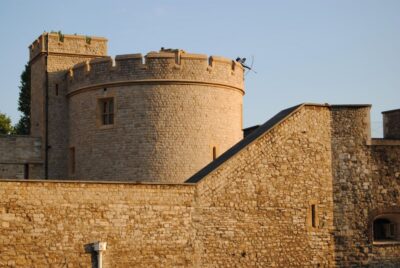
Also, Tower Hill is a smart starting point. You’re on the edge of the City of London and you can still see the medieval castle in the area, which gives you a sense that you’re moving through layers of time. That matters because Jack’s story is 19th-century, but the streets you walk have older roots.
You can also read our reviews of more tours and experiences in London.


Jack el destripador in Spanish: true facts with dramatized bite
This is a Spanish-language tour focused on Jack the Ripper, known here as Jack el destripador. The story is built around the five femicides associated with Whitechapel in 1888, and the guide frames the events through the presence of Jack’s spirit. The marketing says it’s “true information. No fiction,” and the tone of the tour leans hard into that promise: facts first, performance second, and both aimed at keeping you tracking the narrative.
You should expect dramatization, sarcasm, and terror. That combination can sound like gimmick, but in practice it changes how you experience the walk. A standard history tour tells you what happened and then moves on. This one tries to make the story stick by giving you a voice, attitude, and pacing. When the guide gets into character well, as with Javier, you’re not just absorbing facts—you’re watching them get staged in your head as you move from stop to stop.
One thing to be aware of: the “terror” vibe isn’t about jump-scares. It’s more about tone and atmosphere. If you want a gentle, academic lecture where nothing feels uncomfortable, this probably isn’t that. If you’re the type who likes your history with edge, you’ll probably feel right at home.
Goulston Street and Mitre Square: the narrative spine of Whitechapel

The early part of the walk leans into the case’s geography, and Goulston Street is where that really becomes real. This stop is framed as the entrails of Whitechapel—an intense phrase, but it signals why you’re there. You’re not visiting a random street photo spot; you’re visiting a place used to connect the investigation and the neighborhood context to what happened in 1888.
Then comes Mitre Square, described as the place of the double event. Even if you don’t know the details in advance, the structure of the tour helps you follow along. The guide uses each location to mark a point in the story, so the walk works like a timeline you can physically feel under your feet.
Here’s what I think makes these stops valuable for you: they teach you how to read the neighborhood. Whitechapel is one of those areas where streets can look similar from a distance, especially at night or in foggy London weather. A tour like this gives you handles—specific streets and squares—so the city starts making sense rather than just looking like a maze.
Chamberlain and Algate Church: where the tour explains the neighborhood, not just the crime
Two strategic stops are part of the tour’s planning even when you might not expect them from a typical “Jack the Ripper” walk: Chamberlain and Algate Church. The tour calls Chamberlain a favorite place for ripperologists, and that tells you the guide expects you to understand the story as a mystery people keep arguing about.
Algate Church is framed as a favorite place for prostitutes in the nineteenth century. That’s an important distinction. This tour isn’t only about what happened to the victims; it also points you toward the reality of how the area operated. When you hear this kind of neighborhood detail explained in context, you stop thinking of the case as an isolated horror story and start seeing it as something tied to the social environment of the time.
I also like that the guide positions you to learn about the victims through Jack’s spirit. That approach can be uncomfortable if you dislike theatrical framing, but if you’re looking for a story-based walk that stays focused on the people affected, the format forces you to keep your attention on the human side of the tragedy rather than only the mythology.
Roman Wall of Londinium: ancient London meets 1888
Midway through, you reach the Roman Wall of Londinium stop. This is one of my favorite parts because it breaks the “everything is always Jack” rhythm in a good way. You’re walking through a city that has been rebuilt again and again, and the Roman presence is a reminder that London is not trapped in one era.
This kind of detour matters because the Whitechapel story is easy to treat like a sealed chapter. Standing near ancient remains helps you feel the continuity. People have walked these streets for centuries, even though the names and buildings change. That continuity gives weight to the idea that you’re not just consuming a legend. You’re moving through real layers of London, stacked on top of each other.
If you’re the kind of traveler who likes history that has physical anchors—walls, corners, visible remnants—this stop will give you that satisfaction.





Artillery Passage and the dark-corner feeling
Next up is Artillery Passage, described as a street full of life with a dark corner. That phrasing is exactly how this area can feel when you’re walking it: you can see normal movement and everyday life, and yet the guide frames the space in a way that makes you picture the worst things happening nearby.
This is where the tour’s tone becomes most memorable. You’ll be walking through a lane-like space and the guide’s character-driven delivery makes you slow down and look. It’s not about imagining gore. It’s about understanding how narrow streets and sudden turns can shape human experience—fear, opportunity, confusion—long before modern lighting and traffic patterns.
The tour also references Lilian’s Building, described as an old night shelter. Even without extra explanation in the short summary, the presence of a shelter in the route tells you something important: the case isn’t only about streets and rumors. It’s tied to where vulnerable people could end up, and the narrative uses those places to show how the neighborhood provided the setting for the tragedy.
Spitalfields Market and The Ten Bells: ending the walk on theme
The tour heads to Spitalfields Market, described as the old silk market of the XVII century. This is a useful contrast point. Early stops feel like the case moves through grim corners and specific landmarks. Spitalfields Market pulls you toward a broader economic story: trade, crafts, and a city that has always attracted people looking for work.
When a tour includes a stop like this, it makes the neighborhood feel bigger than the crime. You get a sense that Whitechapel wasn’t only misery and fear. It was also commerce and movement. That doesn’t excuse anything that happened in 1888—it just rounds out your mental picture of the place.
The walk finishes at The Ten Bells, described as the pub of the last night. Ending at a pub makes practical sense: it gives you a place to stand, breathe, and think about what you just heard. It also keeps the storytelling aligned with the “night” theme. If you like tours that close the chapter with a final location that feels emotionally intentional, this ending works.
One note based on the tour’s own description: the activity indicates it ends at The Ten Bells, and it also states it returns to the meeting point. So treat Ten Bells as your clearly stated finish marker, and plan to re-orient yourself for the rest of your evening from there.
Price and value: why $5.39 can work for what you get
At $5.39 per person for a 2-hour Spanish live tour, the biggest value isn’t just the low price. It’s the combination of live character performance, structured storytelling, and access to multiple named stops tied to the 1888 narrative.
In London, you’ll often pay more for a single “walk and facts” experience, especially when it includes a guide fully in role. Here, you’re paying for something closer to a street performance with historical anchors. And because the route uses specific strategic points—Goulston Street, Mitre Square, Roman Wall of Londinium, Artillery Passage, Spitalfields Market, and Ten Bells—you’re not wasting time on filler.
Could you find cheaper walking tours? Sure. But the question is whether they match the tone and focus. If you want an experience built around sarcasm, terror, and true information, the price feels like a serious bargain.
Who this tour fits best (and who should skip it)
This is a good fit for you if you:
- enjoy true-crime stories told through place-based storytelling
- like theater-like guides who stay in character
- are comfortable walking through a darker subject matter
- can follow along in Spanish for the full 2 hours
It’s less ideal if you:
- want a purely academic, gentle overview
- prefer English-only tours
- are traveling with kids under 14, since it’s not suitable for that age group
- get uncomfortable with the “terror” tone of the performance
Also, wear your usual walking-comfort planning. You’re out for around two hours, and this is a street route through London’s areas tied to the case. Comfortable shoes will make the experience better, and you’ll spend less time thinking about your feet.
Book it or skip it: my decision rule
If you’re curious about Jack the Ripper but tired of tours that rely on scary vibes without substance, this is worth booking. The promise of true information, no fiction combined with strong characterization from the guide (Javier has been highlighted for staying in role and explaining well) is exactly the blend that keeps this from feeling like a gimmick.
Skip it if you want sanitized history or if the Spanish-language requirement is a deal-breaker. And be honest with yourself about tone: this is supposed to feel unsettling at times. If that’s your idea of fun, you’ll likely have a memorable London night walk.
FAQ
FAQ
What language is the tour in?
The tour is in Spanish.
Where does Las noches de Jack el destripador start?
It starts outside Tower Hill Station at the sundial, a few meters from the Tower Hill Station exit, on the right side.
How do I recognize the guide at the start?
The guide waits for you at the sundial wearing a red mask and holding an umbrella.
How long is the tour?
The duration is about 2 hours.
What stops are included on the route?
The tour includes stops such as Goulston Street, Mitre Square, the Roman Wall of Londinium, Artillery Passage, Old Spitalfields Market, and it ends at The Ten Bells.
Is this tour suitable for children?
No. It’s not suitable for children under 14.
Is the tour meant to be fiction or factual?
The tour is presented as true information with no fiction, guided by Jack’s spirit through the streets.
Is tipping included in the price?
Tips are not included.