REVIEW · LONDON
Jeff Wayne’s The War of The Worlds: The Immersive Experience
Book on GetYourGuide →Operated by Layered Reality · Bookable on GetYourGuide
Martians take over London for 110 minutes. Jeff Wayne’s The War of the Worlds turns the 1978 album into live theatre with Jeff Wayne’s iconic score and puts you up close with a 300-foot Martian fighting machine. Add live actors, virtual reality, and 5D-style multi-sensory effects, and you get a show that feels more like surviving a scene than watching one.
My favourite part is how the music drives the tension, then the visuals hit back with full-sized sets and big, threatening scale. One thing to plan for: your allocated show start time can land up to 30 minutes after the time you booked, so you’ll want a little buffer when you arrive.
In This Review
- Key highlights you’ll feel fast
- The War of the Worlds show: a London theatre night with teeth
- Horsell Common to the Thames: how the 24 scenes flow
- Horsell Common: the first panic sets the tone
- Victorian houses: more fear, more choices
- Escaping up the Thames: the final push
- Live actors, VR, and 5D effects: why it feels different
- The score does double duty
- VR and 5D-style effects add scale and shock
- The Red Weed Bar pause: a 20-minute reset that helps
- Spirit of Man Bar and themed food: plan your evening around it
- Price and value: what $94.09 buys you
- Timing reality check: booked times vs allocated start times
- Who should go (and who should skip)
- Practical tips for a smoother Martian invasion
- Travel light
- Be ready for a full show rhythm
- Don’t assume you can time a perfect dinner
- Check comfort needs before you book
- Should you book Jeff Wayne’s War of the Worlds in London?
Key highlights you’ll feel fast
- 300-foot Martian fighting machines loom over you during the action
- Jeff Wayne’s musical score powers the storyline scene by scene
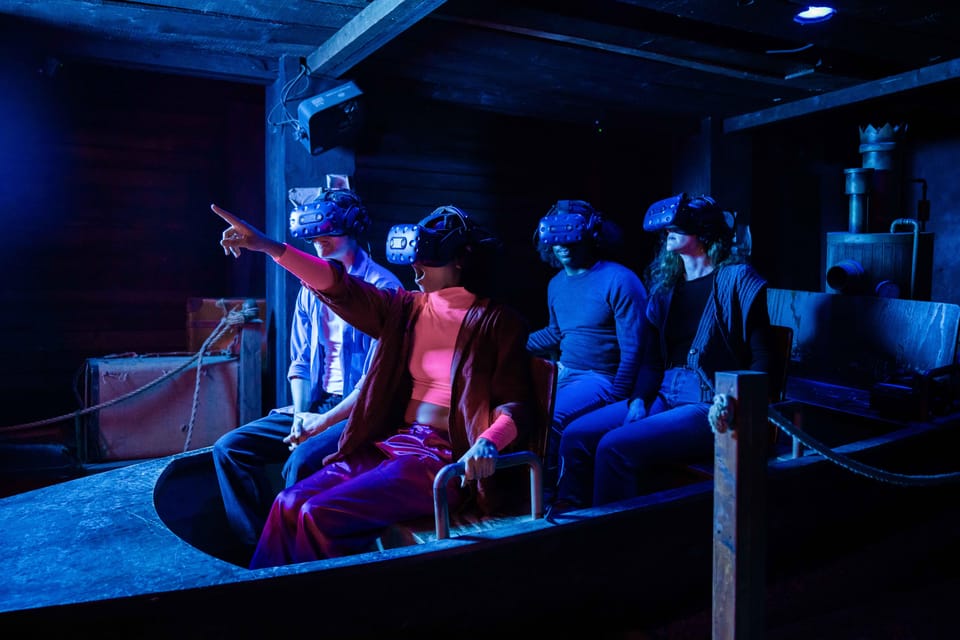
- 24 interactive scenes with choices and hands-on moments, not just spectatorship
- Live actors + virtual reality + 5D effects for multi-sensory storytelling
- Red Weed Bar 20-minute interval to reset before the final stretch
The War of the Worlds show: a London theatre night with teeth
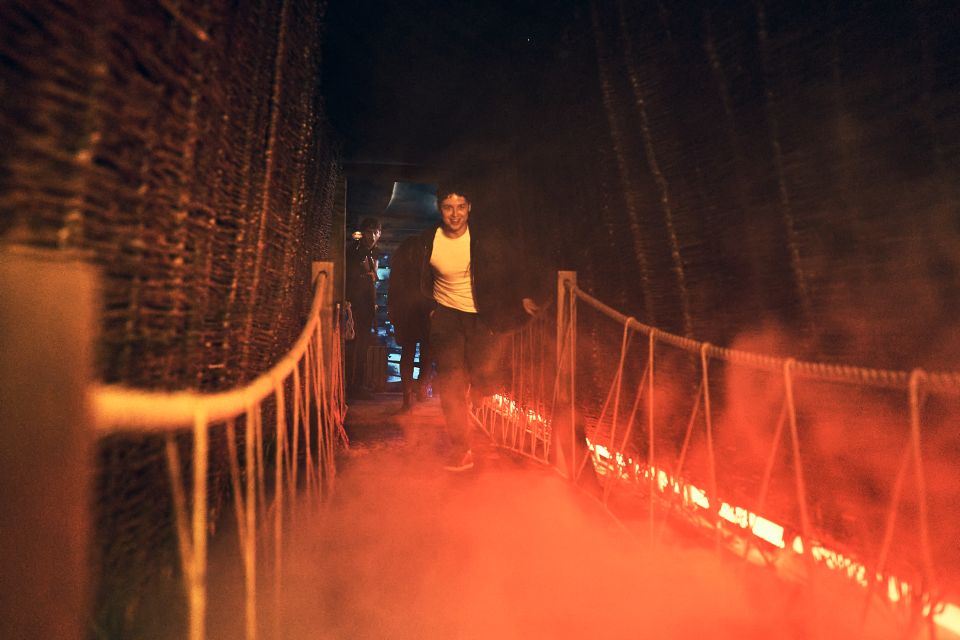
Jeff Wayne’s The War of the Worlds: The Immersive Experience (yes, that’s the name) is set up like 1898 Victorian England being invaded in real time. You move through full-sized sets, following the arc from Horsell Common to Victorian streets and then toward escaping up the Thames. It’s built around the 1978 multi-platinum album Jeff Wayne’s Musical Version of The War of the Worlds, so the soundtrack isn’t background—it’s the engine.
I really like that the tone stays consistent. The score tells you when to brace yourself, when to run, and when the story tightens. And when the Martians show up at that 300-foot scale, it’s not subtle. You feel the size, the threat, and the urgency in a way a regular stage show can’t.
The show’s “interactive” label matters here. You’re not asked to do a few gimmicks; you’re placed inside the action through live actors, virtual reality moments, and multi-sensory effects. Expect choices and in-the-moment guidance that makes the story feel personal. If you’re a fan of the album, the emotional hit can be real—like music you already love, but now it’s physically around you.
You can also read our reviews of more tours and experiences in London.


Horsell Common to the Thames: how the 24 scenes flow
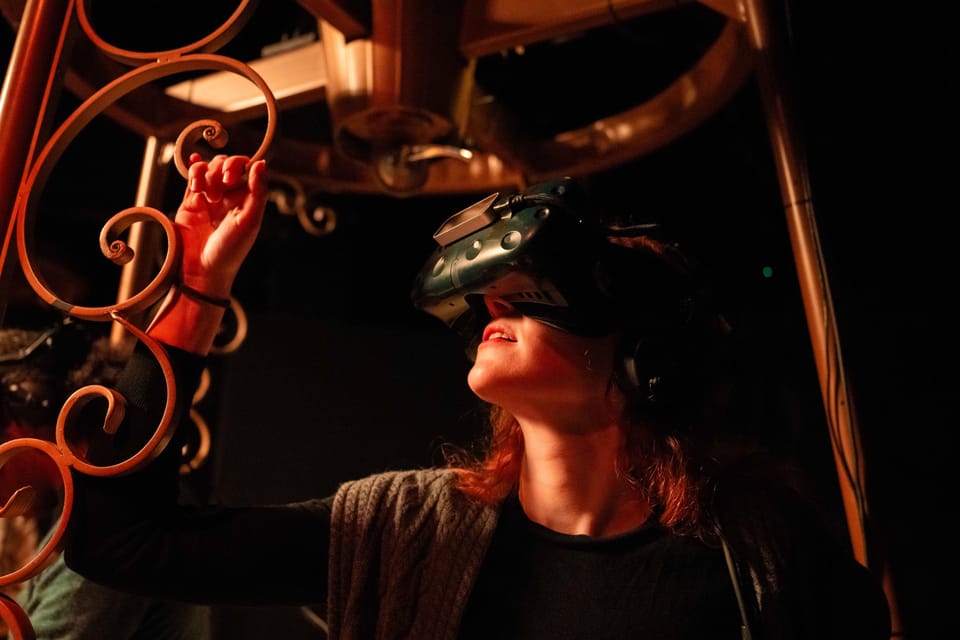
The experience is 110 minutes total, including a 20-minute break in the Red Weed Bar. You’ll cover 24 interactive scenes, moving through the story from first discovery to escape. The stops you should picture in your head are the big ones: Horsell Common, then Victorian houses, and finally the route up the Thames.
Horsell Common: the first panic sets the tone
This is where the Martians are first discovered. It matters because it’s the emotional warm-up: your brain expects a story, and the show insists you react like it’s happening now. In this first zone, the combination of sound, atmosphere, and the scale of the threat helps you switch from viewer mode to action mode fast.
A practical thing: start paying attention early. The show uses cues—music, movement, and the way the spaces are staged—so if you drift or look down at your phone, you may miss the moment when you’re supposed to understand what’s going on.
Victorian houses: more fear, more choices
Next comes Victorian streets and houses, where the invasion feels close. This is where interactive elements and live acting are especially useful. The show’s setup is designed so you’re navigating chaos rather than simply walking through corridors.
If you like theatre that uses blocking well, you’ll appreciate this section. You’re guided through changing spaces, and the VR and multi-sensory effects help the environment feel urgent. It’s the difference between watching a world fall apart and feeling like you’re inside the collapse.
Escaping up the Thames: the final push
The last chapter takes you toward escape up the Thames. This ending is where the pacing typically matters most, because you’ll want the climax to land without you rushing to get through it. The good news is the event is timed to keep momentum through to the end, with the break already handled mid-show.
If you’re coming with friends, this is where it helps to stay together. The show is interactive and scene-based, so wandering can make the story feel harder to follow.




Live actors, VR, and 5D effects: why it feels different
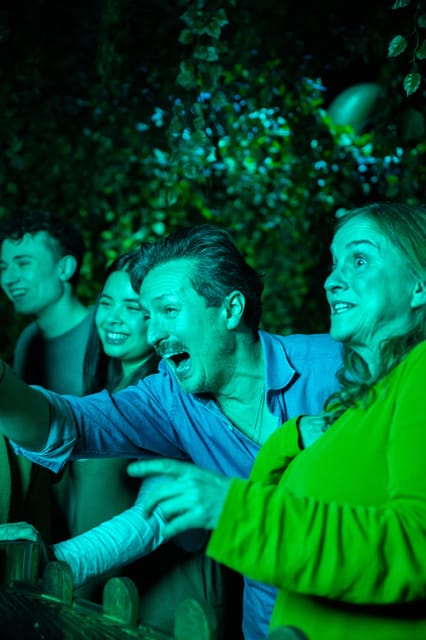
This isn’t just a film with seats. The show blends multiple ways of storytelling at once: live actors, virtual reality, and sensational multi-sensory effects. That mix is what makes the danger feel immediate, even if you’re in a controlled venue.
The score does double duty
Jeff Wayne’s iconic music works like a director. It raises the stakes, signals transitions, and pulls you through each scene. That’s why the experience lands even harder for people who know the album. The music you already love becomes part of the physical world, and your memory clicks into place as the story unfolds around you.
VR and 5D-style effects add scale and shock
The show uses state-of-the-art virtual reality plus multi-sensory effects, including 5D-style moments. You get more than a screen-based view. The goal is to make you feel like you’re reacting to events, not just observing them.
Is it perfect for everyone? Not always. If you’re sensitive to motion, strong sensory effects, or claustrophobic spaces, the show may not be your best fit. The venue lists several clear non-suitable conditions (more on that below).
The Red Weed Bar pause: a 20-minute reset that helps
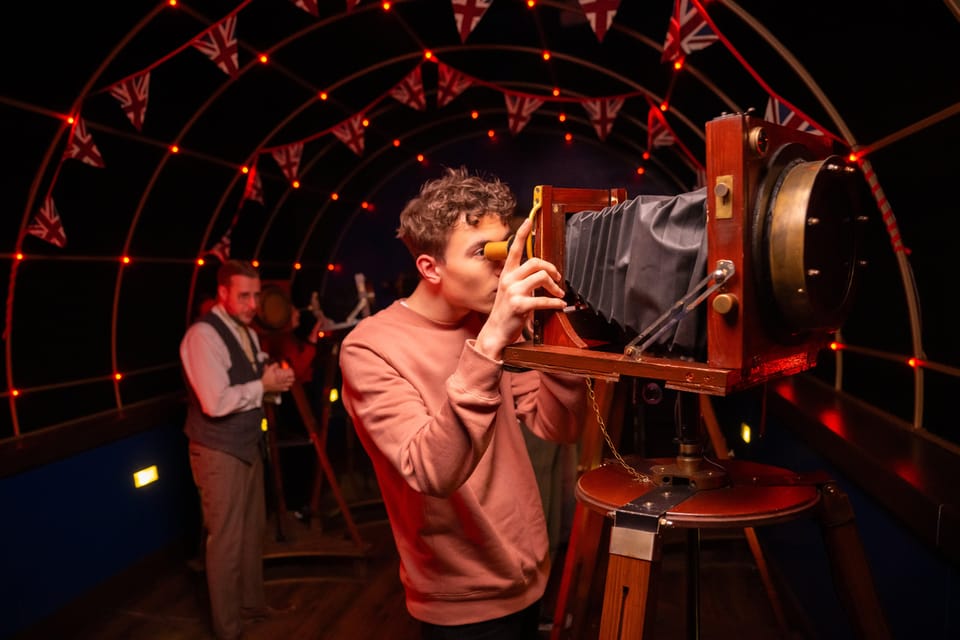
You’ll get a 20-minute interval in the Red Weed Bar during the middle of the show. This is smart pacing, because it gives your body a chance to catch up with what your brain just processed. It also helps you settle before the final series of scenes ramps up again.
I like that the break is built into the experience rather than an awkward optional moment. If you’re planning food later, this is the moment to grab what you need without trying to squeeze in a full meal while you’re supposed to be watching the last act.
Spirit of Man Bar and themed food: plan your evening around it
The event includes time at the steampunk-style bars, and you can buy drinks and grub. The Spirit of Man Bar is part of the post-show unwind, and it features a Martian Fighting Machine-themed setting.
A key practical note: food and drinks are not included with admission. So if you’re doing the full evening, budget for at least a drink. Also think about timing: the show is 110 minutes total with the built-in interval, so you’ll likely want to keep your plans close by.
If you’re the type who enjoys themed spaces, this bar area is part of the fun. It’s not required for the show to work, but it extends the world-building after the climax.
Price and value: what $94.09 buys you

At $94.09 per person, this isn’t a cheap London ticket. The value comes from the mix: live performance plus virtual reality plus multi-sensory effects, across 24 interactive scenes, with full-sized sets and the signature 300-foot Martian fighting machine.
It’s also award-backed. The experience has won twelve awards and in 2024 received a TripAdvisor Travellers’ Choice award for the fourth time. Awards aren’t a guarantee of your personal taste, but they do suggest the show has been refined over multiple runs.
So is it worth it for you? If you’re a fan of the story, the 1978 album, or you want something closer to a high-tech theatre event than a standard production, you’ll probably feel the ticket price more than you would at a typical show. If you’re mainly looking for quiet, low-stimulation entertainment, the cost won’t feel justified.
Timing reality check: booked times vs allocated start times
Here’s the logistics detail that matters: you’ll be allocated a show start time on arrival, which may be up to 30 minutes after the time you booked. That means your planning should build in flexibility.
My recommendation is simple:
- Arrive earlier than you think you need.
- Treat your booked time as a target, not a guarantee.
- Keep dinner plans flexible if you’re trying to squeeze this in with something else.
You don’t want to stress in the hour before the show, because the venue experience is built around getting you into the right flow for the next scene.
Also note the location: 56 Leadenhall Street, London, EC3A 2BJ. This is the kind of central London spot where arriving well-prepared saves time.
Who should go (and who should skip)
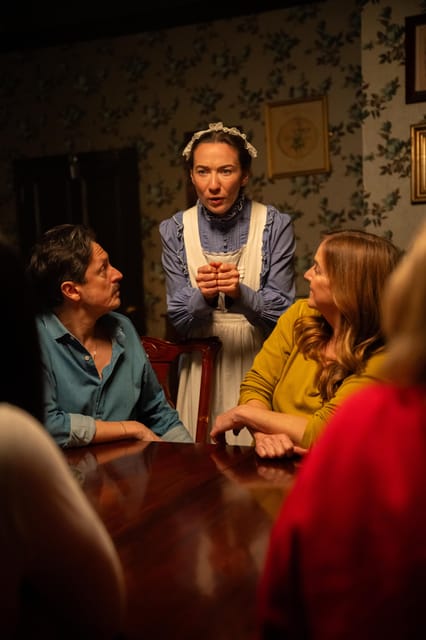
This is listed as suitable for ages 10+, and it’s not suitable for children under 10. It’s also not suitable for pregnant women, people with mobility impairments, wheelchair users, and anyone with claustrophobia. The list also includes people with respiratory issues and people with epilepsy.
If any of those apply, take the venue guidance seriously. This show uses virtual reality and sensational multi-sensory effects, and the experience is designed to make you react during scenes. That’s great for many people, but it’s not the kind of theatre that offers a “quiet option” inside the action.
Who it’s perfect for:
- Fans of the Jeff Wayne album or the War of the Worlds storyline
- Groups who want a shared, high-energy experience
- People who like action-led theatre where you’re not just sitting and watching
If you’re going with kids at the lower end of the age range, consider your child’s temperament and comfort with fear-themed stories and loud sensory moments.
Practical tips for a smoother Martian invasion
A few small prep steps make a big difference.
Travel light
Luggage or large bags aren’t allowed. So plan to travel light, especially if you’re coming in from another part of London. Keep essentials in a small bag and leave bulky items behind.
Be ready for a full show rhythm
The experience lasts 1 hour and 50 minutes including the 20-minute Red Weed Bar interval. That’s a clear chunk of time, and the show is structured around it. If you’re the type who needs frequent breaks, this may feel tight.
Don’t assume you can time a perfect dinner
Because of the allocated start-time flexibility, it’s safer to plan dinner after you know you’re done. Even if your schedule is good on paper, London timing changes things.
Check comfort needs before you book
If you have claustrophobia, respiratory sensitivities, or epilepsy, the experience isn’t recommended by the venue. If you’re unsure, the show’s own suitability list should guide your decision.
Should you book Jeff Wayne’s War of the Worlds in London?
Book it if you want a London night that combines story, music, and high-tech staging with real actor interaction and VR/5D-style effects. The 24-scene structure and the 300-foot Martian fighting machine make it feel like more than a normal ticket price buys.
Skip it if you need low-sensory entertainment, if mobility access is an issue, or if the venue’s non-suitable categories apply to you—especially claustrophobia or respiratory and epilepsy concerns. This is built to put you into the invasion atmosphere, not to keep things calm.
If you’re on the fence, think about your relationship to the album and the story. If Jeff Wayne’s score is meaningful to you, this experience is likely to hit harder than you expect—because the music is doing the heavy lifting while the sets and effects make the danger physical.