REVIEW · JACK THE RIPPER TOURS
German Language : Original Jack the Ripper Tour
Book on GetYourGuide →Operated by See Your City · Bookable on GetYourGuide
A foggy mystery starts on ordinary streets. This German-language Jack the Ripper walking tour turns East London into a 19th-century puzzle, with an expert Ripperologist guiding you through the neighborhood and its famous (and grim) questions. I like the way the stories stay tied to real locations in Whitechapel, and I also like the historical photos that help you compare what you see now with what 1888 residents might have recognized. One heads-up: this tour includes graphic details and visual content, and it’s outdoors, so you’ll want weather-appropriate clothes.
The structure is simple: you walk, you listen, you look closer. With options including English, Spanish, Italian, and French, it’s built for mixed travelers too, but the live guide language you choose is the one you’ll get. At $24 per person for two hours, it’s a solid value if you want story-driven context without paying for a museum ticket or a full-day excursion.
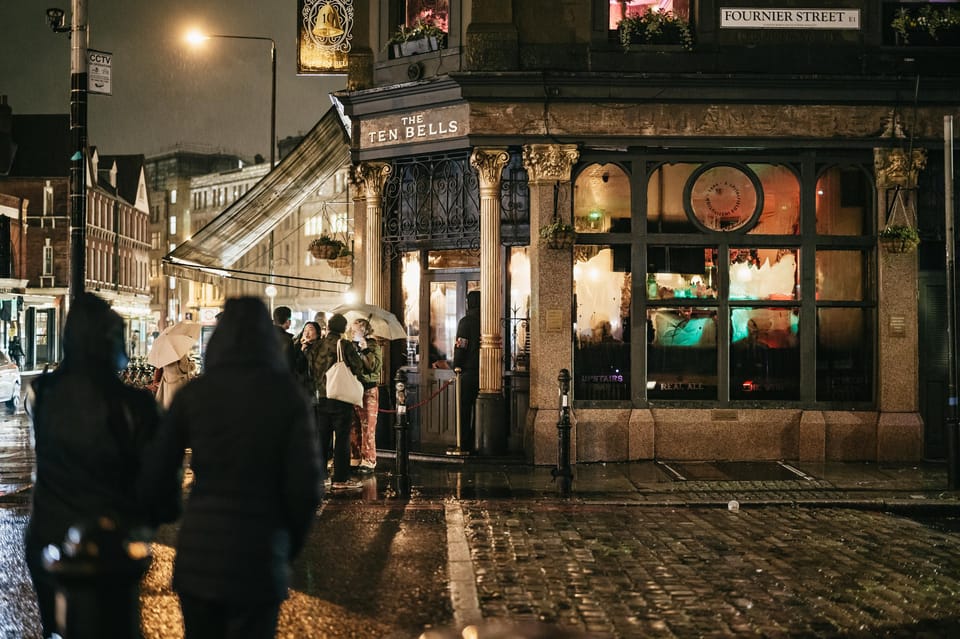
You’ll start near St Mary’s Whitechapel Church Memorial and finish back at the Ten Bells area. Along the way, you’ll pass by landmarks that anchor the legend in the everyday streets—Spitalfields Market, Mitre Square, Brick Lane, and the Ten Bells Pub area—with the guide explaining why each stop matters.
In This Review
- Key highlights you’ll care about
- Why Whitechapel Still Feels Like a Mystery
- Meeting at Altab Ali Park and Getting Your Bearings
- St Mary’s Whitechapel Church Memorial: The Story Starts With Place
- Ten Bells and Spitalfields Market: Where Legend Meets Everyday Life
- Mitre Square: Patterns, Theories, and Why Proof Was Hard
- Brick Lane and Petticoat Lane: East End Life in 1888
- Christ Church Chelsea: Linking the Dots Around the Case
- Using Photos and Clues to Think Like a Victorian Sleuth
- Sherlock Holmes Context: Why This Tour Mentions Fiction
- Price and Logistics: What $24 Buys You in Real Terms
- Who This Tour Fits Best
- Should You Book This German Jack the Ripper Tour?
- FAQ
- What’s the duration of the tour?
- How much does the German-language Jack the Ripper tour cost?
- Where do I meet the guide?
- Which Underground station is nearest?
- What stops are included on the route?
- Is the tour in German only?
- Is the tour outdoors and does it include graphic content?
- Is there a cancellation option?
Key highlights you’ll care about

- A live Ripperologist guide who connects the case to specific street corners
- German delivery (with other language options if your group needs flexibility)
- Real Whitechapel locations tied to the legend: Ten Bells, Mitre Square, and more
- Historical photos that compare then-and-now, not just spooky narration
- A focused 2-hour route: enough time for the story, not a half-day slog
- Outdoors the whole time, with weather affecting comfort
Why Whitechapel Still Feels Like a Mystery
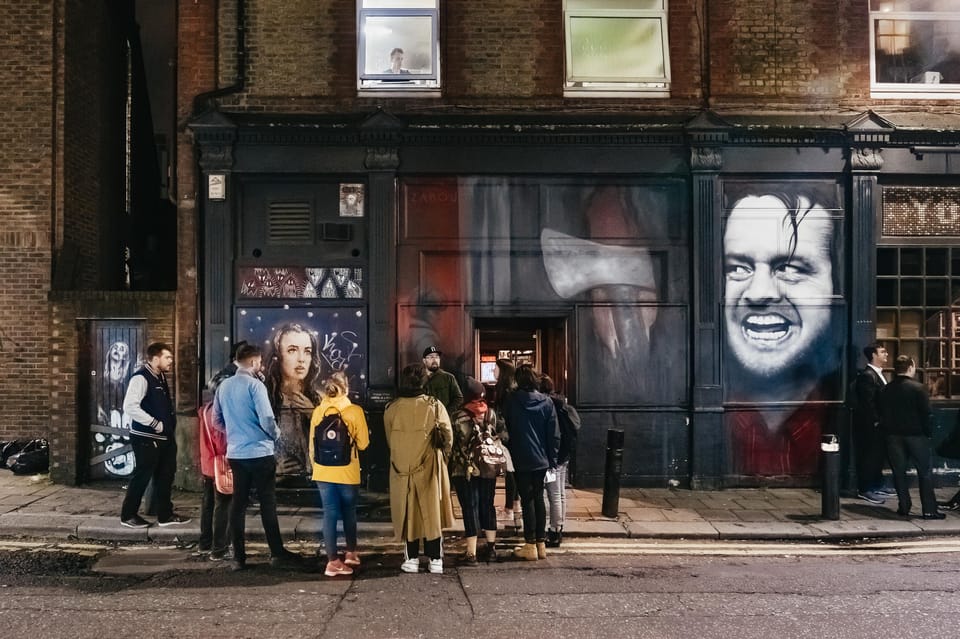
Jack the Ripper isn’t just a villain in a book. He’s a question stuck to a place. And that’s what this tour does well: it treats Whitechapel like a living map, not a stage set.
You’ll hear about the victims and the day-to-day reality of an impoverished neighborhood in the late 1800s. That matters, because the story changes tone when you understand the pressure, the crowding, and the vulnerability of ordinary people. The guide doesn’t just ask who did it. The better question is why these crimes became so hard to pin down—then you see how the investigation shaped what people believed next.
I also like that this isn’t only about the killer. You get “shady suspects” and competing theories, plus commentary on photographic evidence and what investigators were trying to prove. That turns the walk into a light form of detective work. You’re not expected to solve anything on your own. You just get the tools to think about the case with less mythology and more context.
You can also read our reviews of more tours and experiences in London.



Meeting at Altab Ali Park and Getting Your Bearings
The practical part matters on a street tour. You’ll meet at the west entrance to Altab Ali Park, at the corner of White Church Lane and Whitechapel High Street. Look for the large iron arch gate and your guide holding a blue flag.
If you’re using the Underground, the nearest station is Aldgate East. That’s helpful because this part of London doesn’t feel like the center of the tourist grid. Once you’re there, the meeting point is clear, which helps you start without wandering.
From there, the tour moves at a walking pace that fits a story schedule. You’re outdoors the entire time, so plan for changing weather. If it’s chilly, you’ll feel it more than you would in a museum corridor. If it’s warm, you’ll be glad you brought water, even though food and drinks aren’t included.
Wheelchair access is noted as possible. The route doesn’t include many inclines and doesn’t focus on stairs, but public paths can vary, so comfort may depend on pavement and crowding.
St Mary’s Whitechapel Church Memorial: The Story Starts With Place
You begin near St Mary’s Whitechapel Church Memorial, and that’s a smart choice. Churches and memorials tend to be landmarks people still relate to, even when the surrounding streets change. It helps you orient yourself before the tour becomes more graphic and investigative.
At this stage, the guide sets the timeline and the tone—1888, Whitechapel, and the idea that you’re walking through a neighborhood that shaped the case. This isn’t just about memorizing names. It’s about understanding how the area’s social conditions affected daily life and, in turn, how outsiders looked in.
This first stretch is where you’ll appreciate the tour’s balance. You get the “crime scene” energy, but you also get a sense of how real people lived in the same streets—where work happened, where conversations happened, and where fear would have spread fast. That makes the later stops feel less like a scavenger hunt and more like a coherent story.
Ten Bells and Spitalfields Market: Where Legend Meets Everyday Life
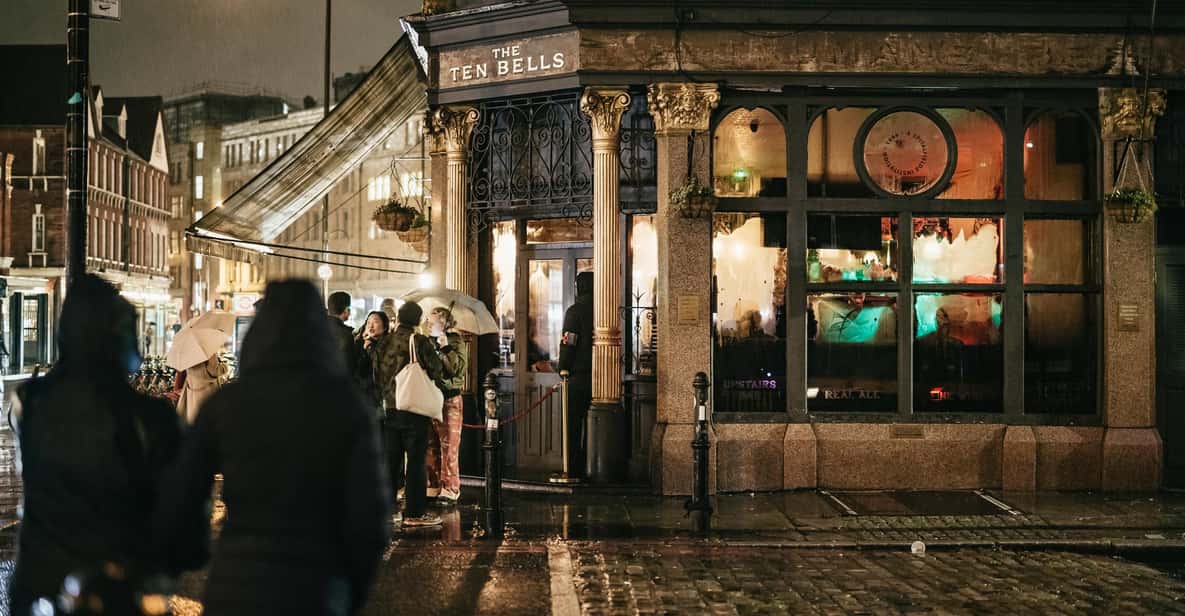
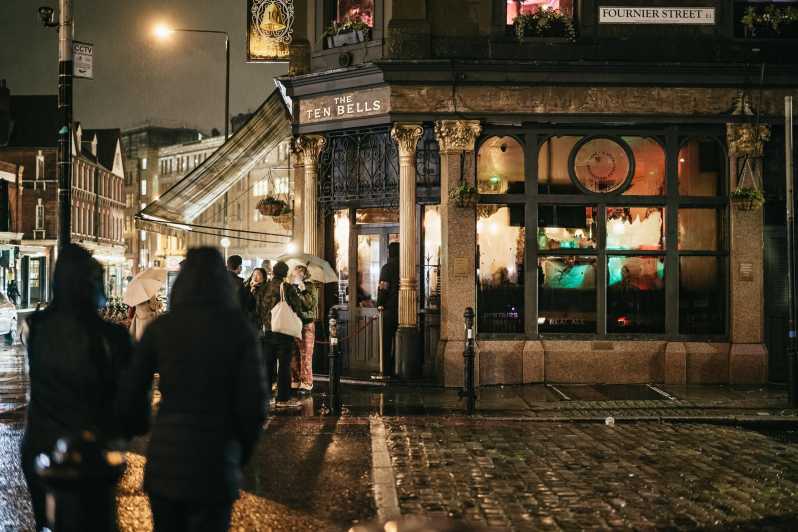
Ten Bells is one of the big names in the Jack the Ripper conversation, and you’ll spend time around that area—both as a notable stop and as part of where the walk finishes. The guide uses it as an anchor, tying the case to a real neighborhood setting instead of a vague ghost story.
The route also includes Spitalfields Market, which helps you see how East End London has layers. Markets were (and still are) about movement, crowds, and routine. That’s important because the tour’s central theme is how much of the case depends on who was around, who noticed what, and what patterns investigators thought they saw.
This stop is also where you’ll likely get some of the clearest “then versus now” moments. The historical photos used on the tour make the street geometry easier to visualize. Even if you’re not a hardcore history person, it helps your brain lock onto the place. You start to understand why certain routes and locations mattered—simply because they were where people passed.
Mitre Square: Patterns, Theories, and Why Proof Was Hard
Mitre Square is another key stop, and it’s where the tour’s investigative style really shows. You’re not just hearing dramatic retellings. You’re hearing how theories form when information is incomplete.
The guide discusses suspects and alleged perpetrators, plus competing interpretations of the evidence. In a case like this, that’s the real story: everyone has a theory, but the “why” behind those theories is tied to what witnesses said, what investigators could interpret, and what they couldn’t confirm.
Mitre Square also helps you understand the neighborhood scale. This is a part of London where a few streets can change the feel quickly. Walking through it with a guide gives you a practical sense of proximity: how close things were, how fast rumors could spread, and why the investigation would feel both urgent and uncertain.
If you’re the type who likes a narrative with logic, this is a good section. If you want only spooky thrills, you might find yourself pausing for context. But that pause is the point.



Brick Lane and Petticoat Lane: East End Life in 1888

This tour doesn’t treat Whitechapel as a blank backdrop for murder. It treats it as an actual community. The route includes Brick Lane and the area associated with Petticoat Lane, and those stops bring the story back to routine life.
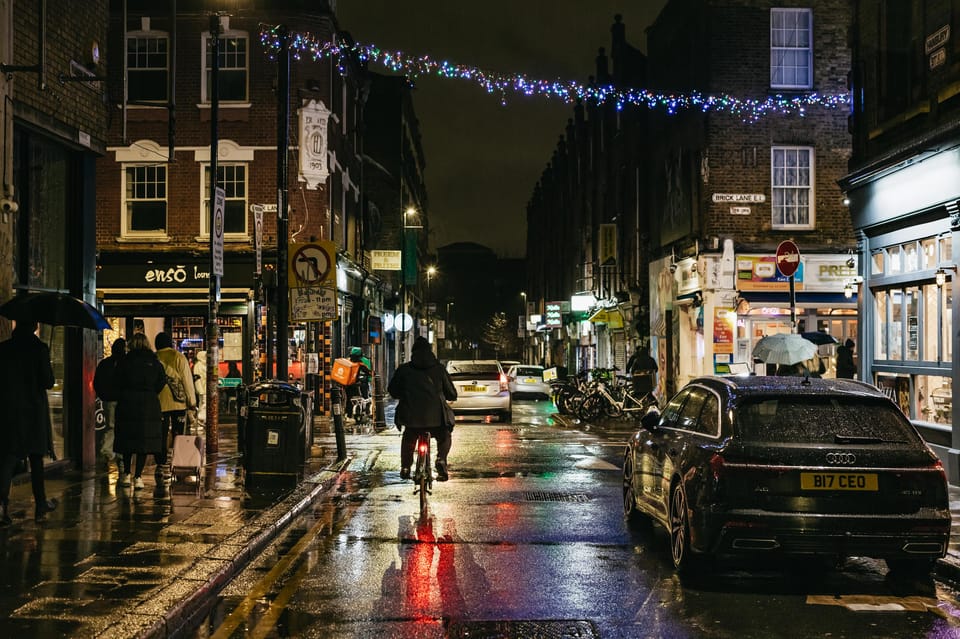
Brick Lane is often known today for its food and cultural mix, but on this tour you’re nudged toward a different question: what did the street feel like in 1888, and how did that daily rhythm shape what people could see and report? The guide explains the everyday life of Whitechapel, emphasizing it as an impoverished neighborhood at the time—so the violence lands in a real social setting, not just a sensational frame.
Petticoat Lane also helps broaden your sense of where the city’s energy came from. Markets and street life meant constant movement. That’s important for understanding witnesses, timing, and the way information spreads. Even if you don’t walk away with a single “answer,” you walk away with better questions.
One practical note: these streets can be busy depending on the day. Keep an eye on where you’re standing during the guide’s explanation, so you can actually hear the clues and see the references.
Christ Church Chelsea: Linking the Dots Around the Case
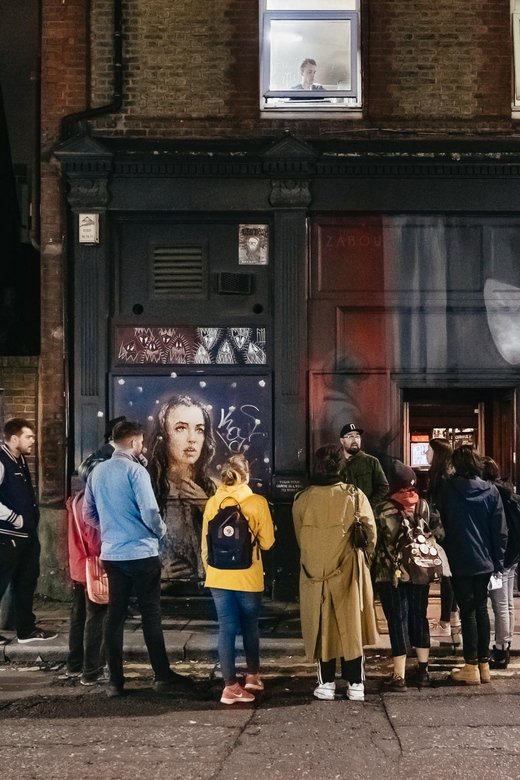
Christ Church Chelsea appears on the route, and it adds a layer beyond the immediate “crime legend” geography. In a walking tour format, that kind of stop matters because it shows how the story sits inside a larger web of London—religious landmarks, civic landmarks, and areas people would have recognized.
This is where the guide may connect cultural threads and the way Londoners discussed crime in the Victorian era. It helps the tour feel like more than just a list of sites. You start to see why the story stuck around and how people turned fear into theories.
And because the tour uses historical photos to compare old and new views, you’ll likely get moments where you can picture the church and surrounding streets in the right period context. That photo comparison is a big reason many people rate this tour highly, because it makes the past feel more concrete than a verbal description alone.
Using Photos and Clues to Think Like a Victorian Sleuth
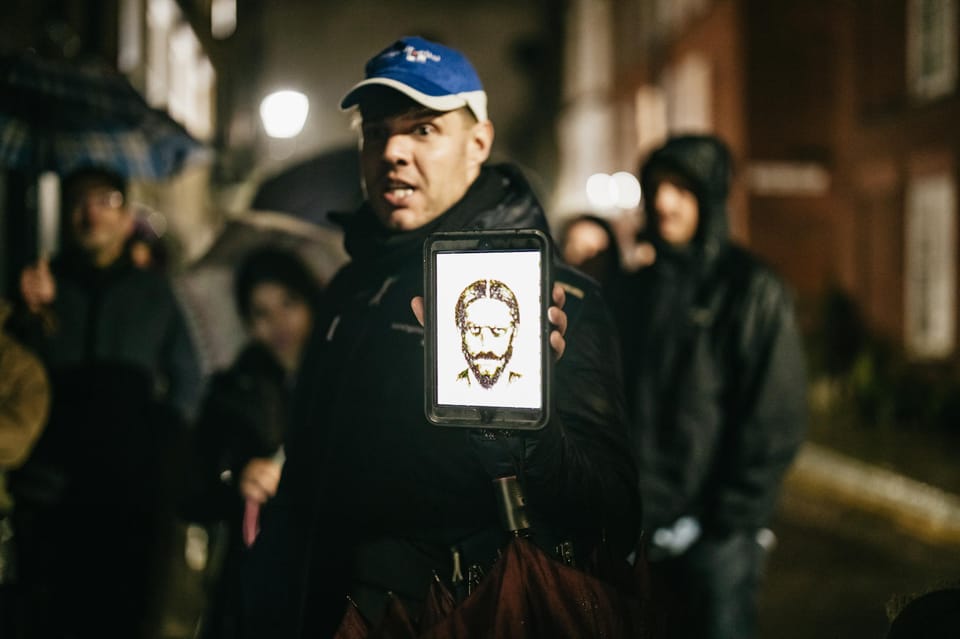
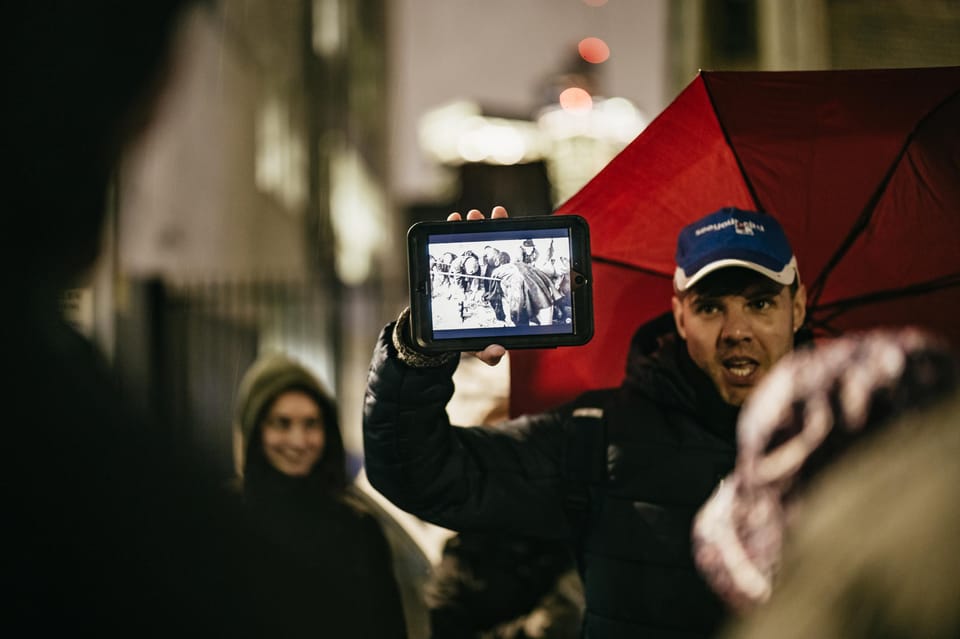
A standout feature here is the use of historical photos and comparisons. The guide shows earlier images alongside modern views, so you can spot changes in street layout and building presence. It’s not just decorative. It’s a way to train your eye to see what mattered to investigators and witnesses.
The guide also refers to photographic evidence and talks through the alleged investigation and theories about who committed the crimes. That can sound heavy, but on the street it becomes manageable: each stop gives you one segment of the case, and the photos help you place it.
This is where I think the tour gives real value for readers who like mystery structure. You’re encouraged to look at clues and consider why conclusions were difficult. The aim isn’t to force agreement. It’s to show the logic style people used at the time.
If you’re sensitive to graphic content, this is the part where you’ll want to mentally prepare. The tour includes graphic details and visual content, so check your comfort level before you book.
Sherlock Holmes Context: Why This Tour Mentions Fiction
You’ll also learn about the inspiration and cultural context behind Sherlock Holmes. That might sound random at first, but it fits the larger theme: how crime stories captured public imagination in Victorian and later periods.
The guide connects the legend to the broader cultural fascination with detection and mystery. You’ll hear why figures like Holmes became enduring—and how the case of Jack the Ripper helped shape an appetite for solving the unsolved.
Even if you’re not a Holmes superfan, this section can make the tour feel more relevant to modern pop culture. You start seeing a line from street rumors and investigative uncertainty to the kind of stories later writers built.
It’s a smart move for a German-language tour, too. It gives you a shared reference point that helps the case history stick, especially if you’re new to London’s crime lore.
Price and Logistics: What $24 Buys You in Real Terms
At $24 per person for a two-hour walking tour, you’re paying for three things: a guide, time on foot through multiple locations, and a story that ties it all together. You’re not paying for a meal, and that’s fine. It keeps the experience focused and light on add-ons.
The value improves if you like guided interpretation. A DIY stroll in Whitechapel can be interesting, but this kind of tour gives you explanations you won’t get from plaques alone. You get a Ripperologist guide, case context, and photo-based comparisons that help you understand why each stop matters.
The other value angle: it’s short. Two hours is enough to make the legend feel organized, not endless. You’ll still have energy after, and you can continue exploring nearby areas on your own.
Who This Tour Fits Best
This tour is best for you if:
- You want a German-language live guide and like story-driven history
- You care about context—Victorian life in Whitechapel, not just names and dates
- You enjoy comparing old photos to current streets
- You can handle graphic details and visual content
It might be less ideal if you want a gentle, purely educational walk with zero unsettling material. It’s also not the right choice if you hate outdoor walking in changing weather.
For language mix-and-match groups, the availability of German, English, Spanish, Italian, and French can make it easier to keep everyone together while still understanding the guide.
And for mobility: the tour is wheelchair accessible, but public paths vary. If that’s a concern, you’ll feel better with sensible shoes and patience.
Should You Book This German Jack the Ripper Tour?
If your goal is to understand why Jack the Ripper story clung to Whitechapel—and how people tried to interpret evidence and build theories—this is a strong pick. The guide style leans on street-level storytelling, plus historical photos that make the past easier to picture. And because the walk is only two hours, it’s a manageable way to get a lot of context without committing to a full day.
I’d only tell you not to book if graphic details and visual content are a deal-breaker for you, or if you know you’ll struggle with outdoor walking in the weather.
FAQ
What’s the duration of the tour?
The tour lasts 2 hours.
How much does the German-language Jack the Ripper tour cost?
It costs $24 per person.
Where do I meet the guide?
Meet at the west entrance to Altab Ali Park, at the corner of White Church Lane and Whitechapel High Street, by the large iron arch gate. The guide will be holding a blue flag.
Which Underground station is nearest?
Aldgate East Underground station is the nearest.
What stops are included on the route?
Stops include Brick Lane, Christ Church, Spitalfields Market, Mitre Square, Petticoat Lane, and the Ten Bells Pub area. The tour finishes at Ten Bells Spitalfields.
Is the tour in German only?
The live guide offers multiple languages, including German, English, Spanish, Italian, and French.
Is the tour outdoors and does it include graphic content?
Yes, it takes place entirely outdoors. It contains graphic details and visual content, and you’ll want to be comfortable with that.
Is there a cancellation option?
There is free cancellation up to 24 hours in advance for a full refund.