Aldwych turns London Underground into a bunker. This disused Tube station tour takes you off the usual route and into a time-stopped world under the city, with WWII shelterer accounts and movie-location sightings mixed into the walk. Aldwych itself is a real curiosity: opened in 1907, closed in 1994, and still sitting there like it’s waiting for the next train.
I especially like two things: the abandoned ticket hall with its original architectural details, and the way the tour connects the space to real wartime life, including stories tied to how treasures were stored here during the Blitz. It’s not just spooky tunnels for the sake of it.
One consideration: the tour is not step-free, and it involves a lot of walking on uneven ground and in low light, with stairs and no elevator. If you get uncomfortable in tight or dark spaces, this may not be the right match.
In This Review
- Key highlights to watch for
- Getting to Aldwych: the meeting point detail that matters
- The 75-minute rhythm: how the tour flows underground
- Stop one: the abandoned ticket hall and why it feels so real
- Lifts, platforms, and the Piccadilly line terminus feeling
- Tunnels and low light: getting the most without trying to force photos
- Spotting movie and TV locations in an actual station space
- WWII shelter stories and the treasure safe moment
- Your guides: what makes the storytelling work
- Price and value: what $60 buys you in 75 minutes
- Who this tour suits, and who should skip it
- Quick practical tips so your visit goes smoothly
- Should you book the Aldwych Hidden Tube Station guided tour?
- FAQ
- Where is the meeting point for the Aldwych tour?
- How long is the tour?
- Is the tour step-free?
- Is it suitable for children?
- Is it okay if I have claustrophobia?
- What should I wear or bring?
- Can I bring food or drinks?
- Are luggage or large bags permitted?
- Can I cancel after booking?
Key highlights to watch for
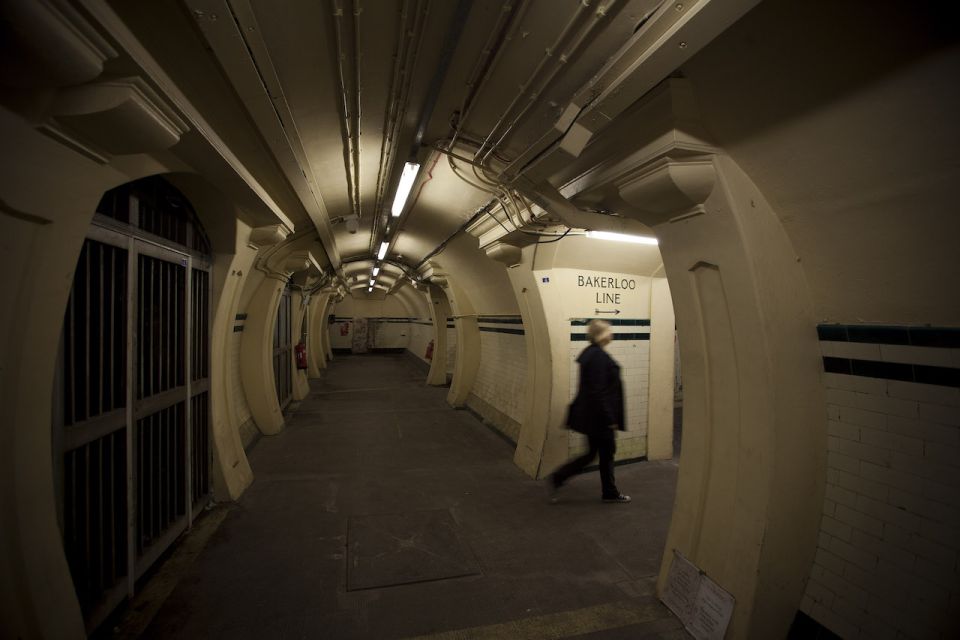
- Original Aldwych ticket hall details you can actually stand close to and study
- Lift shafts and older station features you rarely see anywhere else
- Blitz-era treasure storage stories that give the station real stakes
- Film and TV location spotting tied to sites you’ll walk past
- Practical tour guidance from guides with strong London Transport Museum backing
- Child limits and ID rules that shape who can book and attend
Getting to Aldwych: the meeting point detail that matters
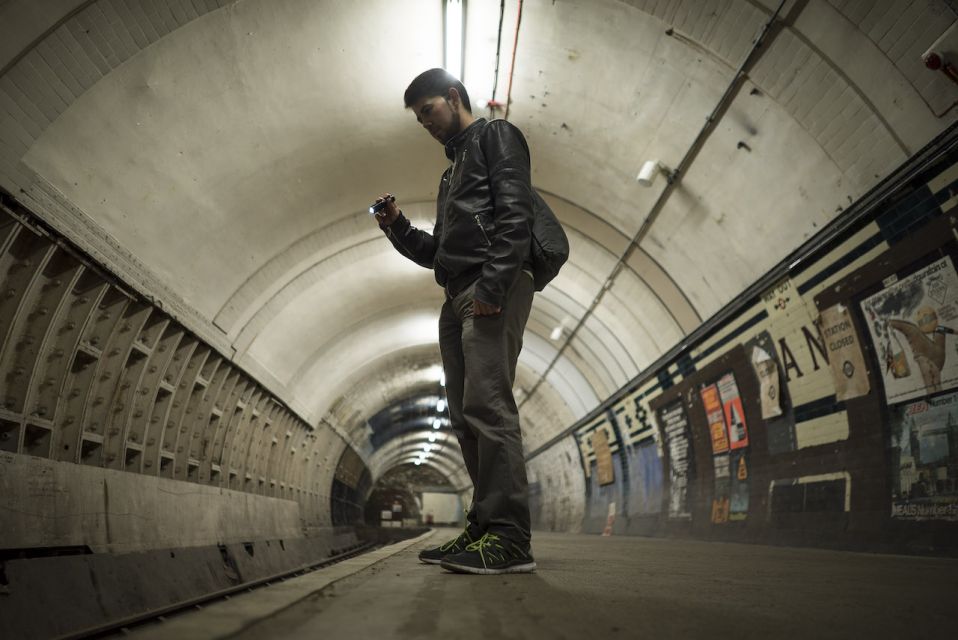
Start by going to Surrey Street, not the Strand entrance. The meeting point is outside Aldwych station on Surrey Street, and it’s explicitly different from the one facing the Strand. That small detail saves time, stress, and the kind of frantic walking that ruins tours.
Once you find the right entrance, you’ll get a simple setup and then the tour shifts into slow, careful movement underground. The whole experience runs at a human pace: enough time to notice textures, signage history, and the way the old station spaces fit together.
If you’re arriving by public transport, keep it simple and plan a little buffer. Even if the rest of London is moving fast, this tour spends its energy on places that have been still for decades.
You can also read our reviews of more guided tours in London



The 75-minute rhythm: how the tour flows underground
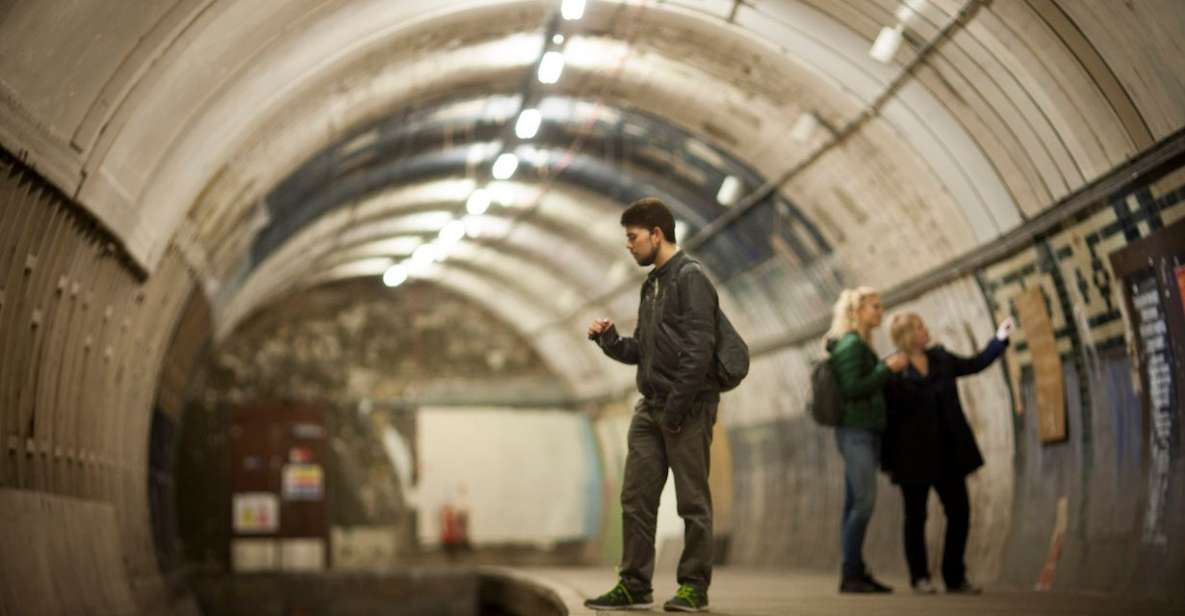
This is a 75-minute guided tour, and the duration is long enough to make the station feel like a story, not a quick sightseeing loop. You’ll move through several station zones, including areas that are seldom seen by the public.
Here’s what that means for you on the ground: expect steady walking, stairs, and low-light sections. The tour also isn’t step free, and there’s no elevator. It’s not the kind of outing where you can drop in for a few minutes and then take it easy.
Also, the tour isn’t suitable for claustrophobia, which matters because some parts feel enclosed and dim. If you’re in doubt, think about how you react to tight corridors and reduced visibility. This isn’t a tour that tries to soften those factors.
Bring sturdy shoes and keep your bag situation light. There’s no cloakroom, and large bags are not allowed.
Stop one: the abandoned ticket hall and why it feels so real
The first big emotional hit is the abandoned ticket hall. It’s not just empty space; it has the original feel of how passengers once moved and bought tickets. You’ll have time to look at the architectural features that still frame the room.
For me, this is where the tour earns its credibility. Lots of underground experiences show you tunnels. This one starts with the public-facing heart of the station, so you immediately understand what life was like when Aldwych was active.
The ticket hall also sets the tone for the rest of the route. When you move from the ticketing area to deeper station parts, the shift feels purposeful rather than random. It’s like the guide is handing you the logic of how the station worked.
Lifts, platforms, and the Piccadilly line terminus feeling
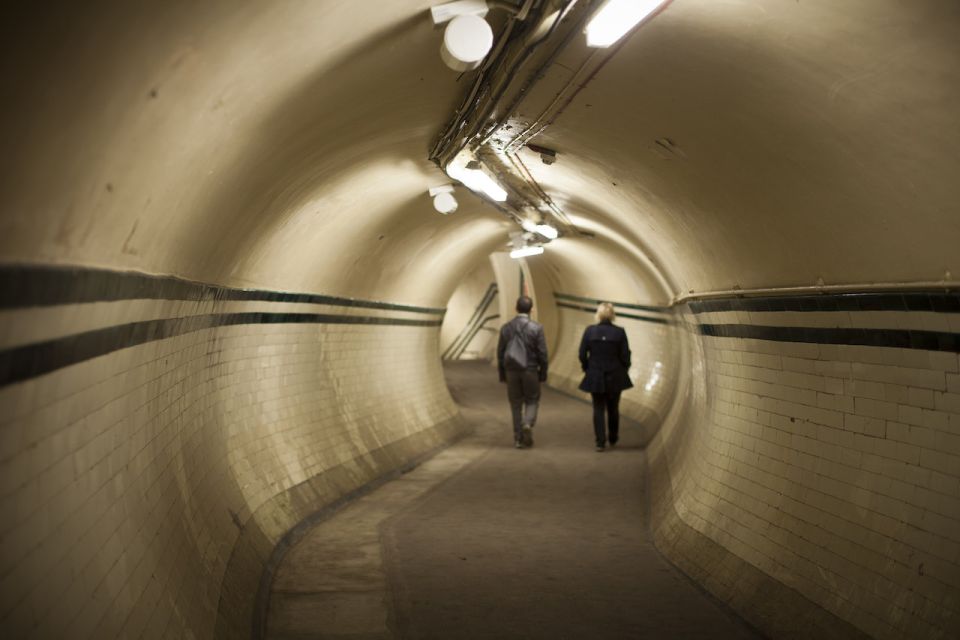
From the ticket hall, the tour moves into the older bones of Aldwych. You’ll see the original lifts, abandoned platforms, tunnels, and interconnecting walkways. Some of these spaces are described as seldom seen, and you can feel why once you’re standing there.
Aldwych served as a terminus for the Piccadilly line, and the guide’s explanations make that fact click. You stop thinking of the station as a dead object and start seeing it as a place designed for turning routes, handling passenger flow, and connecting lines.
The lifts and walkways are especially interesting because they show you how engineering choices shaped daily movements. Even if you don’t know London Underground history, you’ll likely spot how everything was built to guide people safely through busy moments.
One practical note: because staircases are involved and there’s no elevator, plan on using your legs. Wear footwear you trust on uneven ground.
Tunnels and low light: getting the most without trying to force photos
The underground sections are dimmer and sometimes uneven, and the guide keeps the pace realistic for that environment. This matters because the tour isn’t about rushing. It’s about noticing how station spaces connect: corridor to platform, passage to junction, and how the station’s layout creates its own kind of atmosphere.
The lighting also affects what you can see. Instead of chasing views, focus on details your guide highlights, like specific structures and connections between areas. If you go into it expecting wide open rooms like a museum hall, you might miss what makes this work.
Also, no food or drinks are allowed, and that helps keep the route cleaner and less disruptive. You’re walking through an active historical site, not a casual picnic stop.


Spotting movie and TV locations in an actual station space
One of the more fun parts of the tour is identifying places tied to screen work. You’ll be guided to locations connected to famous productions, including Luther: The Fallen Sun. The experience also connects Aldwych to titles like The ABC Murders (2018), Darkest Hour (2017), Sherlock (2014), and Atonement (2007).
What I like about this angle is how it changes your brain. You stop thinking in terms of set pieces and start thinking in terms of real geometry. When you stand in a station corridor that was used as a backdrop, you can understand why filmmakers picked it: the scale, the straight lines, the textures, and the way old spaces look believable even today.
It also gives you an extra layer of attention while walking. Instead of just following directions, you have a reason to look around while you’re moving.
WWII shelter stories and the treasure safe moment
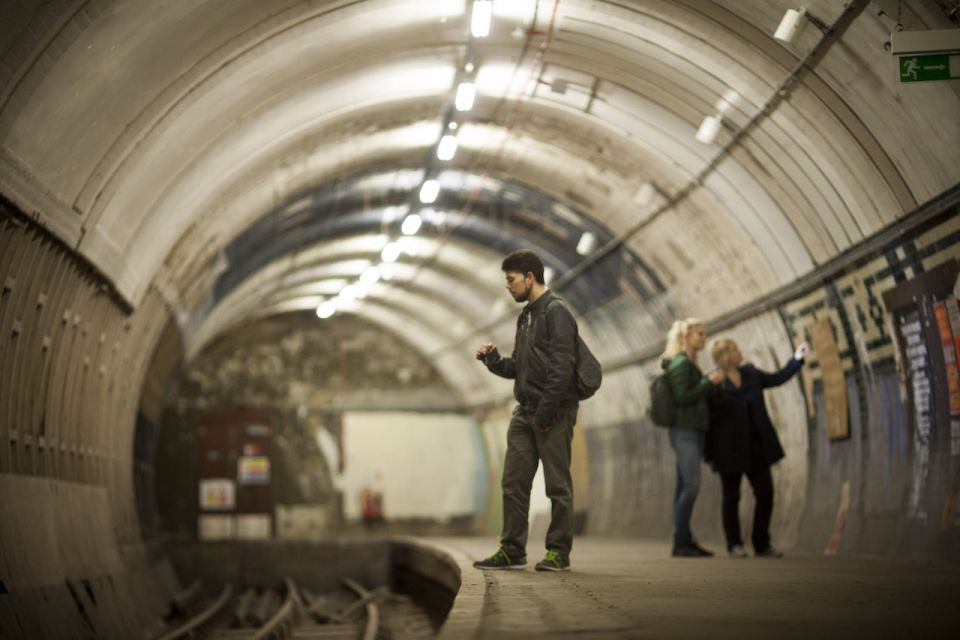
This is the part that makes Aldwych feel less like a curiosity and more like a place with stakes. The tour includes how priceless treasures came to be stored here during the Blitz, plus first-hand accounts from Second World War shelterers.
That combination is powerful because it ties three things together: the station’s practical use during wartime, the human experience of sheltering, and the idea that something valuable had to be protected underground. You’re not only told facts; you’re guided through the emotional logic of what those spaces meant.
One of the most talked-about moments is the safe area tied to those stored treasures. People leave that point feeling genuinely impressed, because the story isn’t abstract. You’re seeing where it happened and hearing what it meant.
If you’re the kind of person who likes history you can physically stand in, this stop is the payoff.
Your guides: what makes the storytelling work
The tour is made by historical experts linked to the London Transport Museum, drawing on the museum’s archive and collection. That matters because it usually means the guide doesn’t just recite dates. You get context, and it feels grounded in real transport history.
The strongest reviews highlight guide energy: friendly, enthusiastic delivery, with a lot of varied information held together by a clear voice. Specific guide names you may encounter include Colin and Cat, and also Emily, Dom, Jas, and Dom again on another booking.
That kind of naming isn’t a small detail. It signals that guides aren’t anonymous narrators. They’re doing the work of turning Aldwych from an empty building into a living story.
If you’ve ever been on a tour where the guide reads like a script, this one plays differently. The information feels like it’s meant for your attention, not theirs.
Price and value: what $60 buys you in 75 minutes
At about $60 per person for a 75-minute guided tour, you’re paying for access, interpretation, and a rare setting. This isn’t a general museum pass where you stroll at your own pace. You’re guided through areas that aren’t normally open, and the payoff comes from the story structure: ticket hall first, then engineering features, then wartime use and shelter accounts.
Is it “cheap”? No. But it’s good value if you like transport history, want something that feels different from standard London sights, and enjoy tours where the guide’s explanations change how you see the rooms.
It also works as a change-of-pace activity when you’re already planning a London Transport Museum visit. One nice bonus is that the tour pairs naturally with seeing related material above ground, because you’ll have a mental map of what you saw underground.
Think of the price as paying for exclusivity and expertise, not just entry.
Who this tour suits, and who should skip it
This tour is a great fit if you:
- enjoy London’s transport history and station design
- like WWII stories grounded in real places
- want something that looks and feels different from typical sightseeing
It’s not suitable if you:
- have claustrophobia
- need step-free access or mobility-friendly routes (it’s not step free and includes staircases, with no elevator)
- are bringing children under 10 (and there’s also a maximum of four children aged 10–15 per adult)
- struggle with walking on uneven ground or in low lighting
Before you go, plan your clothing like it’s an active underground site: sturdy footwear, suitable layers, and no open-toed shoes. There’s no cloakroom, and food and drinks aren’t allowed.
You’ll also need passport or ID card.
Quick practical tips so your visit goes smoothly
Aldwych Underground is all about comfort and pacing. Do these and you’ll get more out of the tour:
- wear sturdy footwear you can trust on stairs and uneven ground
- avoid bringing luggage or large bags (there’s no cloakroom)
- bring your ID (passport or ID card)
- be ready for low-light areas and lots of walking
One last thing: check the starting times for your preferred slot, since the tour runs with specific availability windows.
Should you book the Aldwych Hidden Tube Station guided tour?
Book it if you want a truly different London experience: part transport engineering, part wartime story, part film-location hunt, all in a station that’s been left behind in plain sight. The guide-led approach is a major plus, especially if you like your history with atmosphere and clear explanations.
Skip it if stairs and low light are dealbreakers for you, or if claustrophobia is a concern. The setting is tight and dim by design, and the tour doesn’t pretend otherwise.
If you’re deciding between this and another London outing, I’d steer you toward Aldwych when you want value through access and storytelling, not through crowds or big-ticket attractions.
FAQ
Where is the meeting point for the Aldwych tour?
Meet your guide outside the entrance of Aldwych station on Surrey Street. This entrance is different from the one that faces the Strand.
How long is the tour?
The tour lasts 75 minutes.
Is the tour step-free?
No. The tour is not step free and includes walking up and down staircases. There is no elevator.
Is it suitable for children?
Children under 10 are not suitable. There is a maximum of four children aged 10–15 per adult.
Is it okay if I have claustrophobia?
No. The tour involves low lighting and areas that can feel enclosed, and it is not suitable for people with claustrophobia.
What should I wear or bring?
Bring a passport or ID card. Wear suitable clothing and sturdy footwear. Open-toed shoes are not allowed.
Can I bring food or drinks?
No. Food and drinks are not allowed.
Are luggage or large bags permitted?
No. Luggage or large bags are not allowed, and there is no cloakroom.
Can I cancel after booking?
Yes, free cancellation is available up to 24 hours in advance for a full refund.