REVIEW · WALKING TOURS
Notting Hill Walk Celebrities and Film Locations- London
Book on GetYourGuide →Operated by BestTours · Bookable on GetYourGuide
London’s movie magic lives in one square mile. This guided walk strings together Notting Hill film locations with celebrity street corners, plus studio lore that ties the neighborhood to major bands and recording history. You’ll also get the everyday charm that made Portobello Road famous beyond the screen, including Victorian house color, street-market energy, and small surprises along the way.
What I love most is how the tour points you to the scenes people come for, like the Blue Door area and key bookshop spots from the movie. I also like the stop at Sarm Studios, because it turns the streets into a soundtrack you can almost hear, linking the area to artists connected with Bob Marley, Led Zeppelin, and Band Aid.
One consideration: this is a straight walking tour for about two hours, and it’s not suitable for wheelchair users. Also, a few sights are seen from the public sidewalk or from a distance (like a highly protected private garden), so if you’re hoping for frequent close-up access, you may feel a bit boxed in.
In This Review
- Key Highlights You’ll Want to Put on Your Mental Map
- Movie Fans, Lace-Up Your Shoes: Notting Hill in Two Hours
- What You Actually See: Film Stops, Celebrity Homes, and Beatles-Era London
- Portobello Road to Kensington Gardens: The Walking Route That Makes Sense
- Electric Cinema, the Bookshop, and the Blue Door Photo Zone
- Sarm Studios and Rock-Star Haunts: Where Sound History Meets Street Life
- Notting Hill Past the Film: Victorian Houses, Farming Origins, and Market Diversity
- Guide Style and Small-Group Comfort (Anna, Connor, and Photo Patience)
- Price and Value at About $55 per Person
- Meet-Up, Pacing, and How to Get Great Photos Without Slowing Everyone Down
- Should You Book This Notting Hill Walk?
- FAQ
- How long is the Notting Hill Walk Celebrities and Film Locations tour?
- Where do we meet the guide?
- What’s the tour language?
- Is this tour wheelchair accessible?
- What should I wear for the tour?
- Is there any flexibility if plans change?
Key Highlights You’ll Want to Put on Your Mental Map
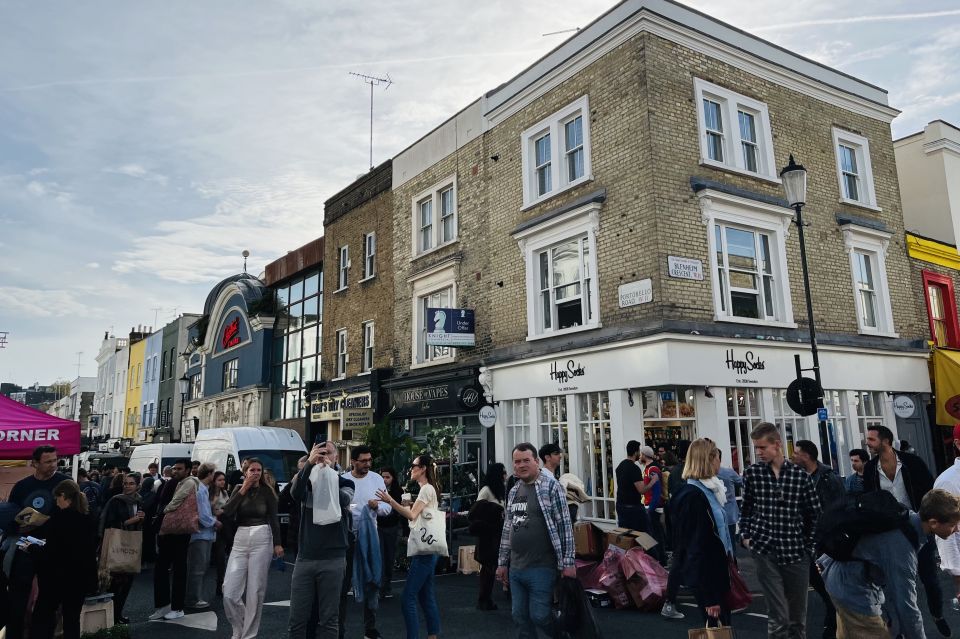
- Blue Door and bookshop photo stops tied to the movie’s most recognizable moments
- Portobello Road market area plus the neighborhood vibe that makes the filming feel real
- Celebrity homes along quieter Kensington-area streets, including hints about who has lived there
- Electric Cinema as a classic film-location style stop on your walk
- Sarm Studios and rock-music connections that connect Notting Hill to major artists and eras
Movie Fans, Lace-Up Your Shoes: Notting Hill in Two Hours
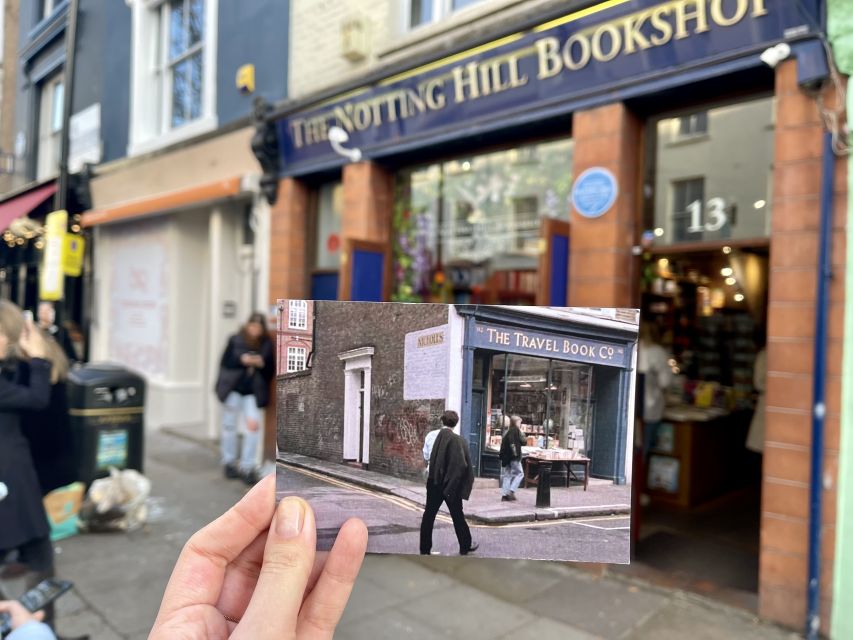
If you have limited time in London but still want a neighborhood that feels like a movie set, this tour is a smart use of two hours. Notting Hill is small enough to walk comfortably, yet packed with details: pastel Victorian houses, street-market scenes, celebrity-name street references, and specific filming points that fans actually care about.
I like how the tour doesn’t treat Notting Hill like one big generic highlight. Instead, it threads together three themes: film locations, celebrity street references, and music-recording history. That mix keeps it from becoming a simple photo parade. And because you’re on foot, the experience feels grounded in the actual neighborhood, not just a list of famous addresses.
There’s also a clear pacing philosophy. The tour aims to finish on time, but the guide adjusts if the group lingers for photos. That matters in busy areas: you don’t want to feel rushed at the moment you finally spot the scene you came for. You also don’t want to lose the rest of the route, so the “end on time” approach is a good sign for coverage.
You can also read our reviews of more walking tours in London

What You Actually See: Film Stops, Celebrity Homes, and Beatles-Era London
This is the kind of tour where you look at a building and suddenly understand why it was chosen. You’ll move through Notting Hill while your guide connects locations to the movie world, and then adds the real-world layer: who lived nearby, which creative circles were in the area, and how music culture intersected with these streets.
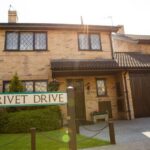
The movie fan part is built around famous moments and recognizable locations. You’ll stop near the Blue Door and the movie’s bookshop area, including the kind of detail that makes you realize how filmmaking works in London: a single famous facade isn’t always the whole story, and interiors can come from different filming spaces. You’ll also get references tied to other screen items that connect to the broader Notting Hill pop-culture universe, including Love Actually and Paddington-style locations.
Then you get the music angle, which is what makes this tour feel different from a standard “famous streets” walk. You’ll visit recording-studio territory at Sarm Studios and hear how major tracks linked to Bob Marley, Led Zeppelin, and Band Aid were made there. The experience also includes rock ‘n’ roll sites connected with artists such as The Beatles, Jimmy Page, and Bill Wyman, plus more music-scene hangout references as your guide steers you through the neighborhood.
I think the best value here is the way the guide turns facts into street-level storytelling. You’re not only collecting names; you’re getting a reason for each stop, which makes it easier to remember and easier to picture again later.
Portobello Road to Kensington Gardens: The Walking Route That Makes Sense
The walk starts at Sun in Splendour, right across the road from the meeting pub. It’s close to Notting Hill Gate tube station, so you’ll get your bearings fast before you head into the residential blocks.
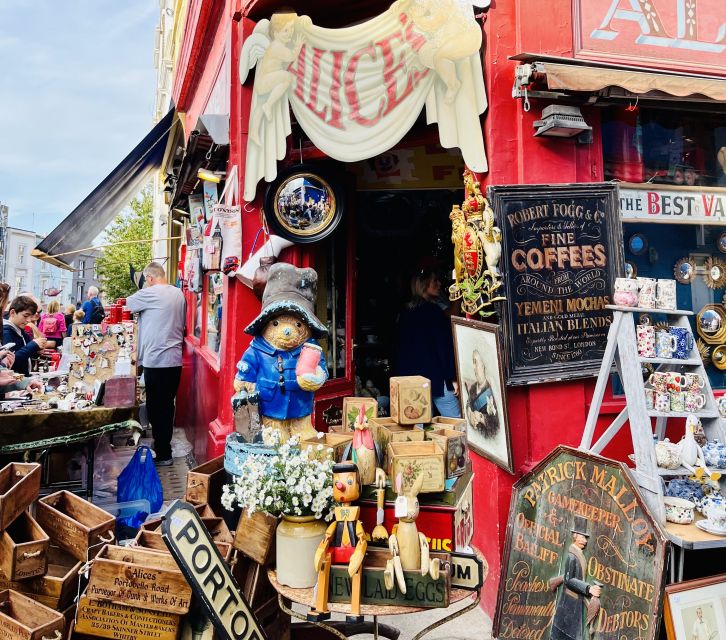
From there, the tour focuses on Portobello Road first. This is where the neighborhood personality shows up: the market street energy, the mix of residents and visitors, and the sense that Notting Hill has long been more than just a film set. You’ll also get a short guided walk through nearby areas that connect the market to the Victorian-era character of the streets.
Then the route shifts into residential streets with quick, focused stops where the architecture matters. You’ll visit areas like Chepstow Villas and several Kensington Park/Stanley Garden-style streets. These are ideal for the “why does this look like the movie?” feeling, because Notting Hill’s identity is built on small differences: house facades, street geometry, and the way light lands on colorful walls.
A key detail you’ll appreciate is how the guide frames Notting Hill’s growth. You’ll hear it started as a farming suburb and then became one of the most sought-after places to live. That helps you make sense of why you see such high-demand housing in such a walkable district, and why the neighborhood’s look is so closely tied to its past.
One small reality check: this is not a sit-down tour. Even with frequent guided explanations (often timed to about ten minutes at each stop), you’re still moving. If you want a relaxed stroll, bring comfortable shoes and plan to accept some standing around for photos.
Electric Cinema, the Bookshop, and the Blue Door Photo Zone
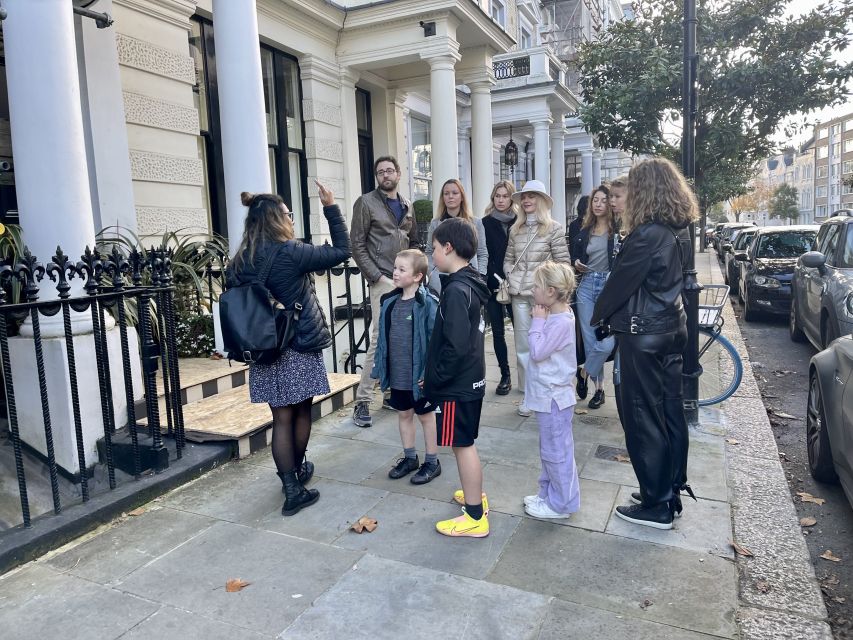
If Notting Hill is your movie, this is the part that will feel like the film has stepped out onto the pavement. The route includes a visit to the Electric Cinema, a classic London stop that fits perfectly into a film-location walk because it instantly signals cinema culture in the neighborhood.
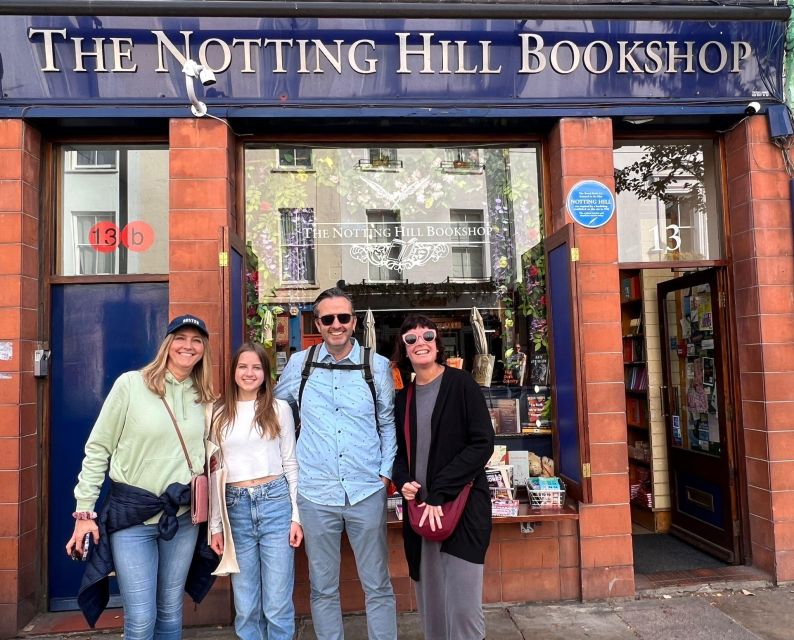
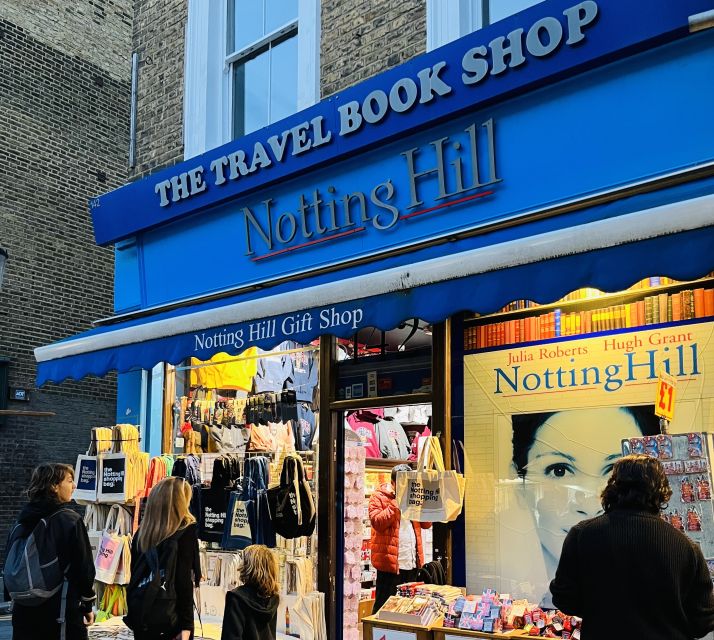
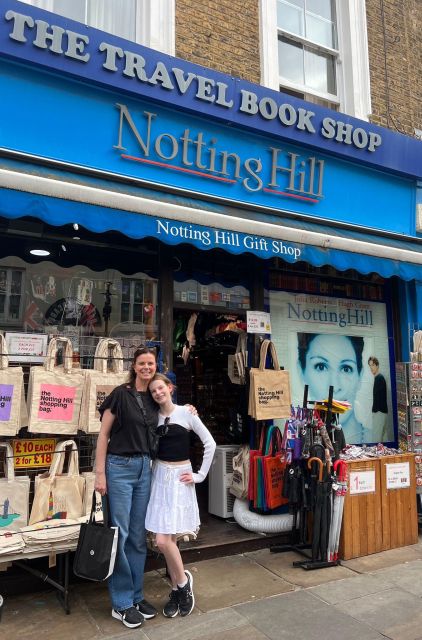
Next comes the bookshop area, including the Notting Hill Book Shop Ltd stop. This is one of those moments where you learn something that changes how you watch the movie afterward. The tour covers how the film used different locations for exterior and interior shots, so you can look at the exterior and then understand that what’s famous on-screen doesn’t always line up with one exact storefront you’re seeing from the sidewalk.
Then you get to the Blue Door Notting Hill Film stop. It’s an easy photo moment, but the value is in what the guide adds around it: not just the scene reference, but the street context around it. In other words, you’re not just taking a picture of a door; you’re learning how the movie’s framing used this street as a believable stage.
You might also spot smaller surprises while walking. The tour includes references to Banksy-style street art and points out a cupcake shop that many people love for a sweet break. These are the kinds of extras that make the walk feel personal to the neighborhood instead of only cinematic.
One practical note: some parts are close to private properties, and at least one private garden is described as highly protected. That means you’ll likely see what you can see from public vantage points. Plan your photos accordingly and don’t expect to wander onto private grounds.
Sarm Studios and Rock-Star Haunts: Where Sound History Meets Street Life
This is where the tour stops being only a movie-walk and becomes a music-and-film-location walk, which is rare in a two-hour format. The highlight here is Sarm Studios, a recording-studio stop that anchors the whole rock ‘n’ roll narrative with a real place tied to major music projects.
From the street-level perspective, it’s easy to understand why a studio stop matters. You’re already walking between famous addresses; when you step into the story of recording history, the neighborhood feels bigger than a film theme. It becomes a working creative geography.
Your guide connects the studio to major artists and recording moments tied to Bob Marley, Led Zeppelin, and Band Aid. You’ll also hear references to rock-era names and hangout connections linked to the broader London scene, including The Beatles and more references to major figures like Jimmy Page and Bill Wyman.
I like that the tour doesn’t demand you be a hardcore music fan. Even if you mainly know the neighborhood through movies, you still get a clean, memorable storyline: these streets weren’t only for celebrity filming; they sat near real creative infrastructure, and that left traces in the form of names and places.
And because the walk is structured with short guided stops, you don’t get stuck in one location too long. You can listen, take a couple photos, and then keep moving while the guide keeps the storyline flowing.



Notting Hill Past the Film: Victorian Houses, Farming Origins, and Market Diversity
Notting Hill’s reputation is usually framed through film, but this tour helps you see the neighborhood as it is: a mix of old Victorian fabric and modern luxury, plus a street-market tradition that brings in a steady flow of people.
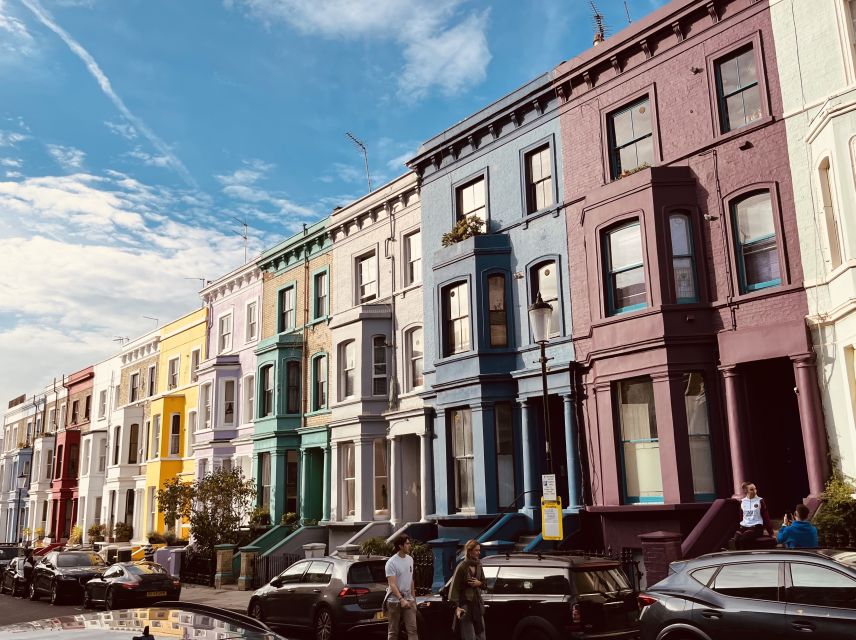
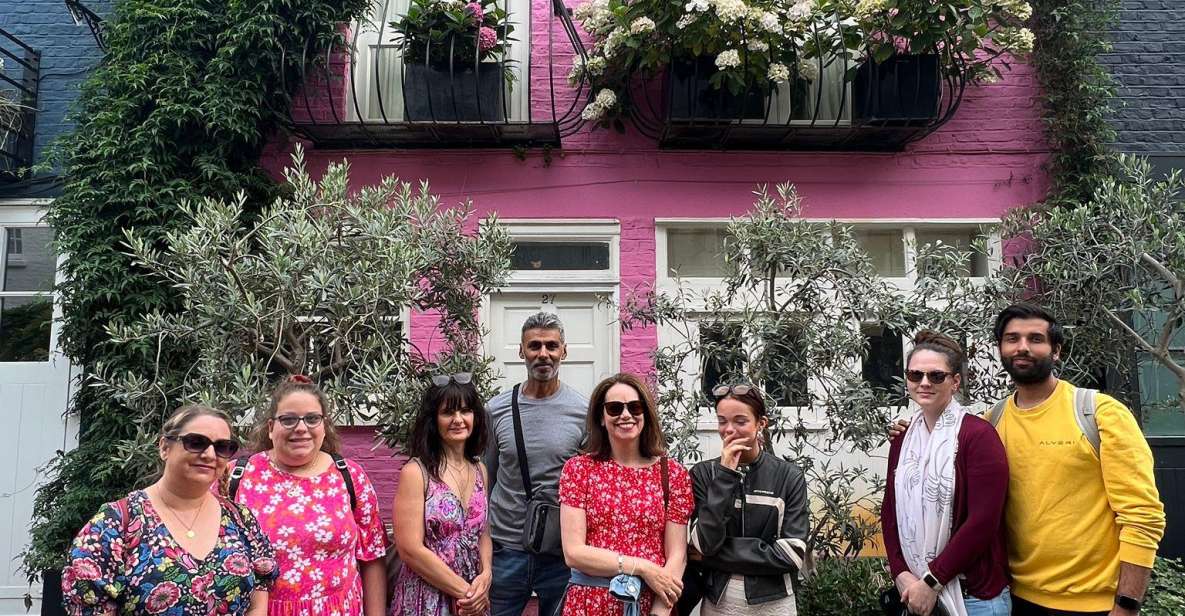
You’ll notice the rainbow-hued Victorian houses as you walk. That’s one of the biggest reasons the neighborhood photographs so well, and the guide’s context makes it even better. You’ll also hear about how the area grew from farming suburb roots into a high-demand residential district.
Portobello Road gets special attention because it’s more than a street name. The tour explains the history behind the market and highlights the neighborhood’s diversity. That matters because it keeps the experience from turning into a star-chasing fantasy. You’re seeing why people actually live here, shop here, and move through this part of London in daily life.
You may also pick up that Notting Hill has layers: film scenes, real residents, street art, and music links all overlapping in a small radius. That’s what makes this kind of walk useful. It gives you a map for understanding the neighborhood, so when you come back later on your own, you’ll recognize patterns rather than just landmarks.
Guide Style and Small-Group Comfort (Anna, Connor, and Photo Patience)
The biggest difference between a good tour and a great one is how your guide holds the room. Based on what you’ll see in the guide styles for this experience, punctuality and a friendly pacing show up again and again.
You may get Anna or Connor as your guide, depending on your date. Anna stands out in the feedback for being on time and making the tour feel fun rather than stiff. Connor is also praised for being warm, patient, and enthusiastic, especially with groups that include different ages.
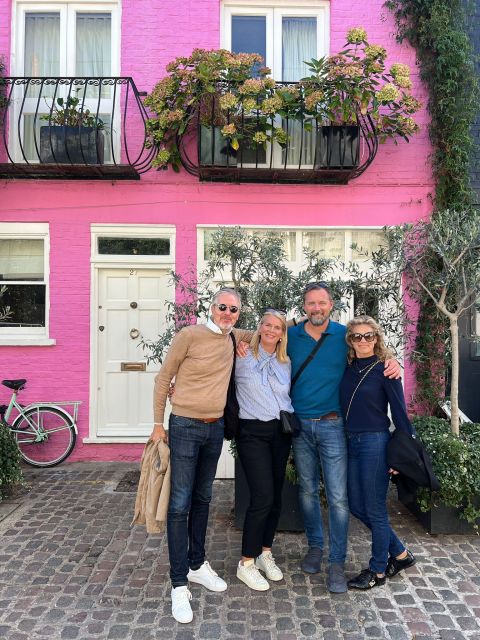
What I like about the way this tour is run is how it handles photo stops. People consistently call out that the guides are patient when you pause for pictures, and that you still get through a full set of stops in the two-hour window. That’s a big deal because Notting Hill is full of photo angles, and you don’t want that to derail the tour.
The format works well for mixed-age groups too. If you’re coming with kids or older relatives, the tour’s structure and story-driven stops help everyone stay interested without feeling like a lecture.
One more practical point: the tour is offered as private or small groups. When it’s smaller, you tend to get more flexibility in conversation and a little more breathing room at the best photo points. If your priority is photos and questions, you’ll likely appreciate booking that kind of group format.
Price and Value at About $55 per Person
At $55 per person for a two-hour walking tour, this sits in the “worth it if you care about details” category. The value comes from stacking multiple kinds of stops into one guided loop: film locations, celebrity street references, and a real music-studio connection at Sarm Studios.
If you tried to do this on your own, you could certainly walk around Notting Hill and take photos. But you’d likely miss the specific filming points, the behind-the-scenes context, and the connections between streets and studios that make the walk feel like a story instead of wandering.
Also, because the guide includes entertaining anecdotes and celebrity context, you’re buying time and interpretation. For many people, that’s what turns Notting Hill from pretty houses into a memorable London experience you can explain afterward.
Meet-Up, Pacing, and How to Get Great Photos Without Slowing Everyone Down
Meet your guide across the road from Sun in Splendour Pub. It’s a short walk from Notting Hill Gate tube station, which means you can plan an easy arrival without a complicated transit puzzle.
Punctuality is treated seriously, and honestly, that’s a good policy for a tight two-hour route. Show up a few minutes early so you’re ready to start when the guide is. This tour is designed to finish on time, and if your group is lingering, the guide adjusts so you still cover the planned content.
Here’s how to make the photos work in real life. Use the guided stops as your photo windows. Don’t try to wander off at random spots; instead, pause at the exact locations your guide points out. For the Blue Door and bookshop area, that’s where the angles make sense. For the studio-related stop, you’ll want to respect any rules around nearby buildings.
Finally, about day-of contact: keep a working phone number accessible for day-of coordination. The details you receive when you book should include the appropriate contact method for your guide or provider if anything changes.
Should You Book This Notting Hill Walk?
Book it if you’re:
- a movie fan who wants specific Notting Hill scene locations in a compact route
- curious about celebrity street references but still want context tied to real neighborhood life
- interested in London’s music culture, especially the kind connected to major recording history
- short on time and want a guided structure that covers a lot without feeling chaotic
Consider skipping or swapping to a different format if:
- you need wheelchair access (this one isn’t suitable)
- you want very slow, fully flexible sightseeing with long stops everywhere
- you’re not interested in film-location pointing or celebrity-linked stories
If your goal is to see Notting Hill with clarity—film scenes, street character, and studio history in one efficient walk—this is a strong pick.
FAQ
How long is the Notting Hill Walk Celebrities and Film Locations tour?
It lasts about 2 hours.
Where do we meet the guide?
Meet across the road from the Sun in Splendour Pub. It’s about a 5-minute walk from Notting Hill Gate tube station.
What’s the tour language?
The live guide offers English and Russian.
Is this tour wheelchair accessible?
No, it is not suitable for wheelchair users.
What should I wear for the tour?
Wear comfortable shoes since it’s a walking tour.
Is there any flexibility if plans change?
The experience offers free cancellation up to 24 hours in advance for a full refund, and it’s also available with a reserve now and pay later option.