REVIEW · FILM & TV LOCATION TOURS
London: Secrets of the London Underground Walking Tour
Book on GetYourGuide →Operated by Evan Evans Tours · Bookable on GetYourGuide
A world of secrets lives underground. This London Underground walking tour turns everyday Tube stations into story time, with haunted and disused stops and how the system was built. I especially like the mix of real transit details and the bigger London stories, and I love that you get audio headsets so you’re not fighting station noise. One thing to consider: it’s a steps-and-stairs kind of experience, and if you want to go deep into a closed platform, the tour may not match that expectation.
You start at Baker Street, meet the guide by the Sherlock Holmes statue, and then move through a history trail that feels surprisingly practical. The route also includes a short London Transport Museum visit, which helps lock in what you just heard on the street and in the stations. The whole thing runs about 2.5 hours and includes guided walking plus a bit of public transport, so it’s built for momentum, not loitering.
If you want a fast way to see London’s transit as part engineering project, part wartime lifeline, and part urban folklore, this tour makes that case in a way that’s easy to follow. The guide quality is a standout too—names like John, Peter, Aaron, Angela, and Aran show up in recent feedback, and the common theme is clear explaining with a light sense of humor.
In This Review
- Key highlights you’ll remember
- Baker Street start: where the Tube story really begins
- The 1863 station stop: old London still showing through
- Steam to electric: the tech switch behind the modern Tube
- The construction story: how tunnels got built
- Abandoned stations and the “why” behind dead ends
- Blitz refuge and British Museum connections
- A station story with a macabre edge: bodies, urban layers, and myth
- Haunted stations: Pharaoh’s daughter and a nun
- London Transport Museum visit: why it’s a good pairing
- How the tour flows in real life (and where time can slip)
- Audio headsets: small detail, big difference
- Guides and the vibe: when history stays fun
- Price and value: what $40 buys you
- What to bring, what to skip, and who should choose this
- Should you book the London Underground Secrets tour?
- FAQ
- Where does the tour start?
- Where does the tour finish?
- How long is the London Underground walking tour?
- What is included in the price?
- Do I need an Underground ticket or Oyster card?
- Do I need to bring anything?
- Is the tour all walking?
- Is the tour suitable for reduced mobility or wheelchair users?
- Are strollers or luggage allowed?
- What languages are tours offered in?
Key highlights you’ll remember
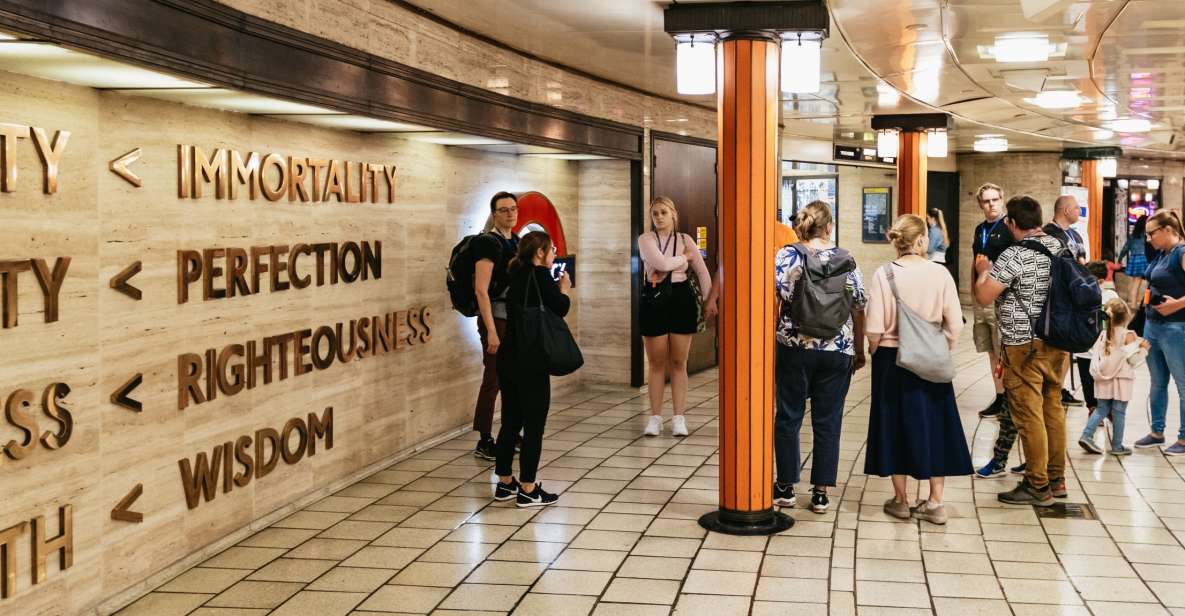
- Baker Street origins: you begin at the historic stop tied to the Metropolitan Railway and see why it matters
- An 1863-era station visit: one of the Tube’s original stations opened in 1863
- How it moved from steam to electrified rails: the tech shift that changed everything about speed and scale
- Why 40+ stations were left abandoned: you get the reasons behind the dead ends
- London during crisis: the Tube’s role as a Blitz refuge, plus aircraft factory and British Museum storage connections
- Ghost-station stories: Pharaoh’s daughter and even a nun—spooky enough to be fun, not silly
Baker Street start: where the Tube story really begins
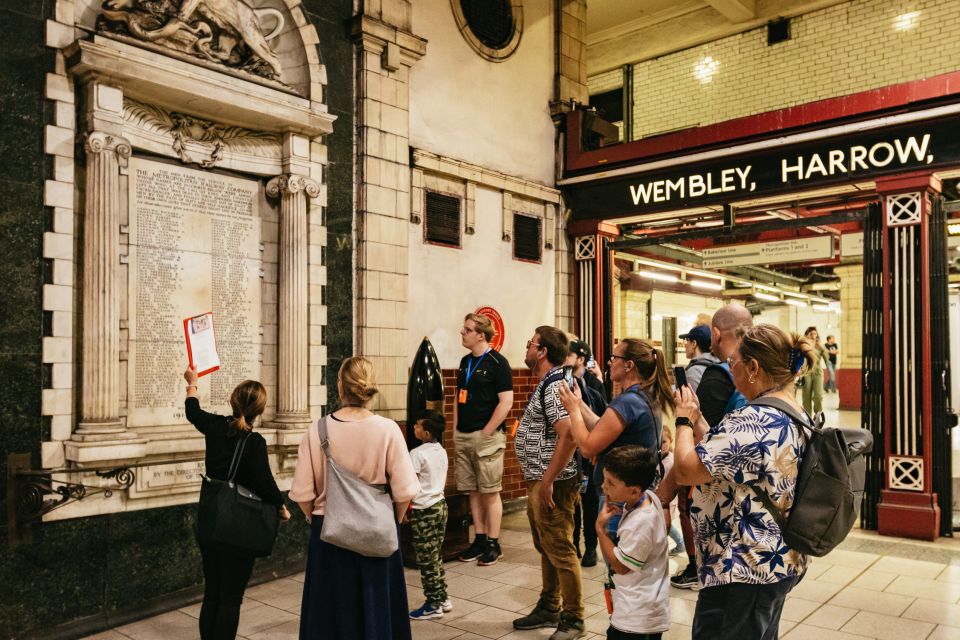
The tour launches at Baker Street Station, right by the Sherlock Holmes statue outside the entrance. That’s a smart choice. Baker Street isn’t just a landmark for postcards—it’s a real starting point for understanding how underground railroading took off in London.
I like that the early part of the tour doesn’t treat the Tube like a black box. Instead, you’re given a foundation: how the Underground connects to the world’s first underground railway and how Londoners gradually learned to rely on it. There’s also a photo stop early on, which gives you a moment to orient yourself before you start moving.
Expect a short walk and a guided explanation right away. This is one of those tours where you’ll notice details you normally ignore: station design cues, signage logic, and the way older areas still echo inside a modern system.
You can also read our reviews of more walking tours in London



The 1863 station stop: old London still showing through
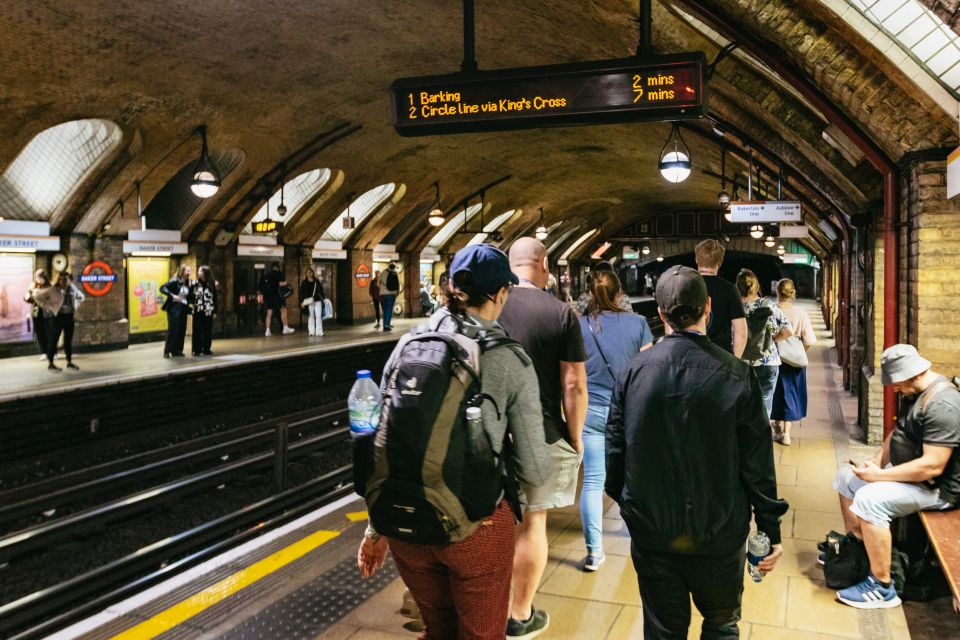
One of the headline moments is a visit to a station that opened in 1863—one of the Tube’s original stops. It’s a great reminder that the Tube didn’t just start as a sleek commuter network. A lot of it began with early bold engineering ideas that had to survive real-world constraints.
What makes this stop worth your time is the way the guide frames it. You’re not only hearing dates. You’re learning what those early layouts meant for how trains could run, how passengers moved, and why later upgrades reshaped the experience.
Even if you’ve been in London for years, an 1863-era station can make you rethink what you’ve been walking through. It’s history that’s still functioning, not a museum set behind glass.
Steam to electric: the tech switch behind the modern Tube
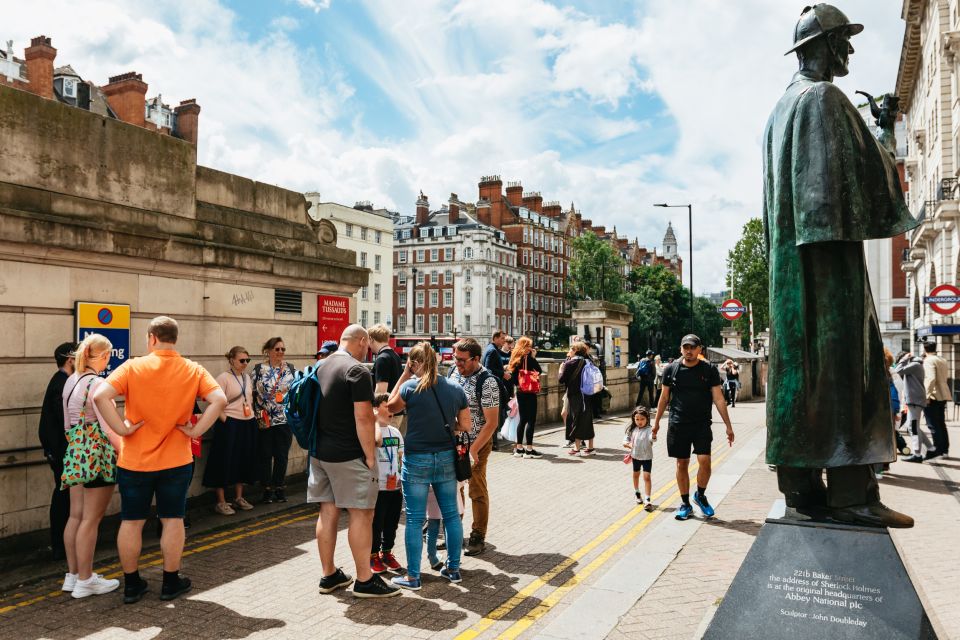
A big theme you’ll hear is the transition from steam-powered trains to electrified rails. That change isn’t just technical trivia. It’s the kind of shift that alters everything: tunnel ventilation needs, train performance, and even how operators designed routes.
As you move through stations, the guide ties the infrastructure to the timeline. You’ll pick up why the Underground’s growth wasn’t a straight line. It was a series of upgrades and compromises, driven by what was possible at the time and what London needed next.
I find this part especially useful because it answers a question you might not think to ask: why the Tube looks the way it does in different areas. The design differences stop feeling random and start making sense.
The construction story: how tunnels got built

The tour doesn’t treat tunnel building like magic. You’ll get the story of how the first underground tunnels were built and what that required—planning, labor, and techniques that had to work in a dense city above.
This is also where the tour earns its name. You’re shown how the system evolved, not just how it exists. That means the historical explanations connect directly to what you see: platform arrangements, passageways, and station spaces that reflect earlier construction methods.
If you love seeing the real mechanics behind a famous place, you’ll likely get a lot out of this segment. It gives you a lens for the Tube beyond routes and timetables.
Abandoned stations and the “why” behind dead ends

One of the more memorable elements is the focus on disused and abandoned stations. You’ll hear why more than 40 stations were left unused and how that fits into changing travel needs, building limitations, and route planning decisions.
This part is fun even if you’re not a hardcore transit nerd. It also helps you understand something you may have noticed yourself in London: the city sometimes carries tunnels and station spaces like leftover furniture—still there, but not serving today’s purpose.
There’s also a stretch of the tour that leans into the “secrets” side, including stories about stations that are reputed to be haunting. The guide keeps it in the realm of entertaining folklore, not a lecture. That balance works well.






Blitz refuge and British Museum connections
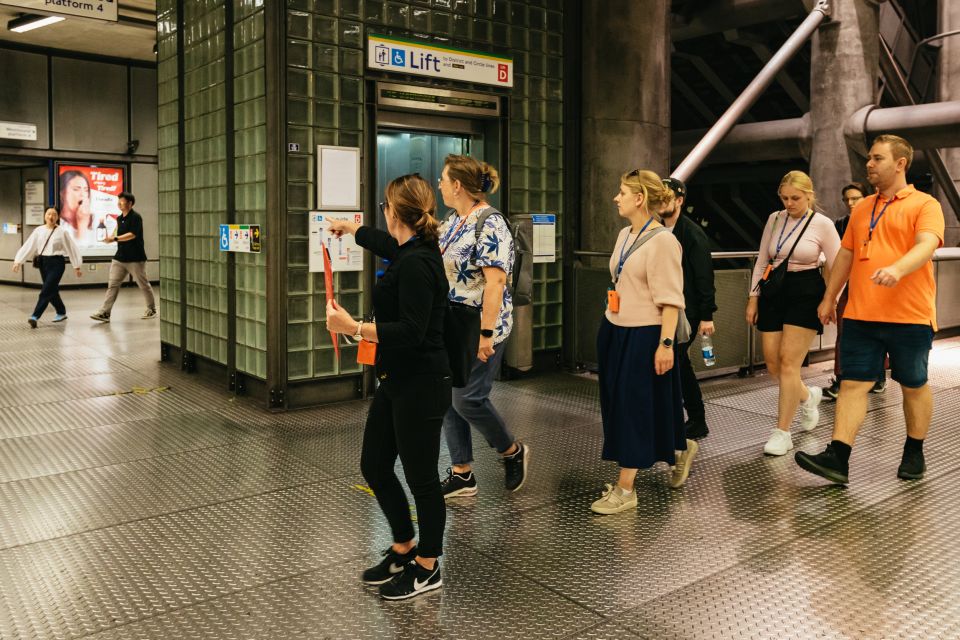
London under pressure shows up in the tour in a practical, high-impact way. You’ll hear how parts of the Tube were repurposed during the Blitz as a refuge, and also used as an aircraft factory and storage tied to the British Museum’s treasures.
That’s the kind of context that changes how you feel about underground spaces. They aren’t just a shortcut. In a crisis, the Tube becomes shelter, workspace, and storage—built environment turned into emergency infrastructure.
If you like your history grounded in real places, this segment delivers. You’re learning how London used what it already had, fast, under extreme circumstances.
A station story with a macabre edge: bodies, urban layers, and myth
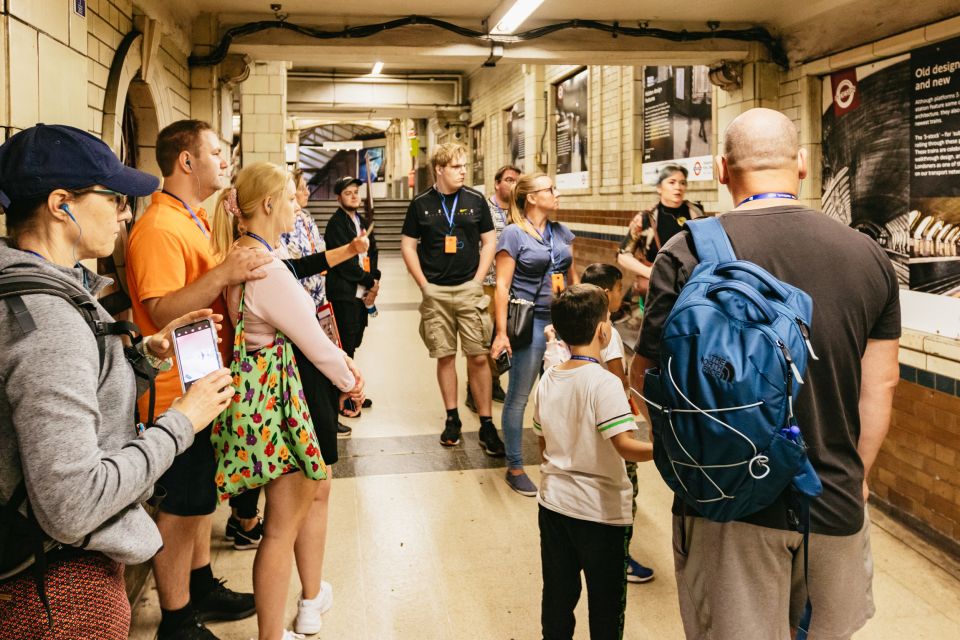
The tour includes a striking detail: a station lying above remains of 1,000 bodies. Even if you find this heavy, it’s also part of why the Underground feels like more than travel. London sits on layers—literal and historical—and the Tube follows those layers.
I’d treat this as a “pay attention to the layers” moment rather than a horror-movie beat. The point isn’t shock. It’s understanding how the city changes over time while older realities remain under your feet.
Haunted stations: Pharaoh’s daughter and a nun
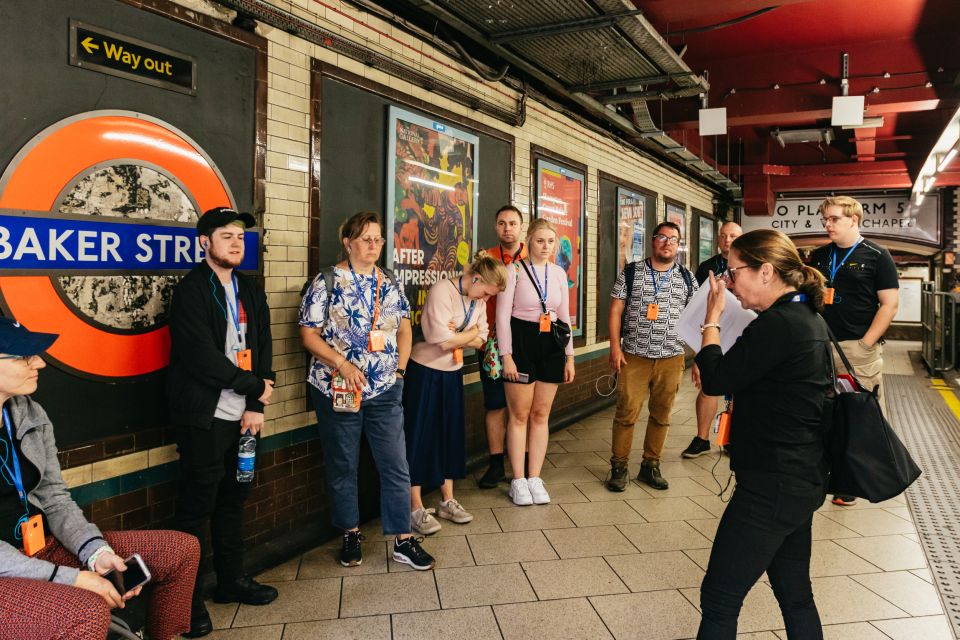
The tour doesn’t shy away from spooky tales. You’ll hear which stations are reputed to be haunted, including stories about a Pharaoh’s daughter and even a nun.
This isn’t presented as a supernatural claim. It’s urban legend, anchored to place names and local lore. Done well, that makes it fun. Done badly, it can feel like filler. Here, the guide keeps the stories connected to the Underground’s broader history, so the ghosts work as an extra layer of meaning rather than a distraction.
If you’re the type who likes a good London story, you’ll probably have a grin by the time you hear these.
London Transport Museum visit: why it’s a good pairing
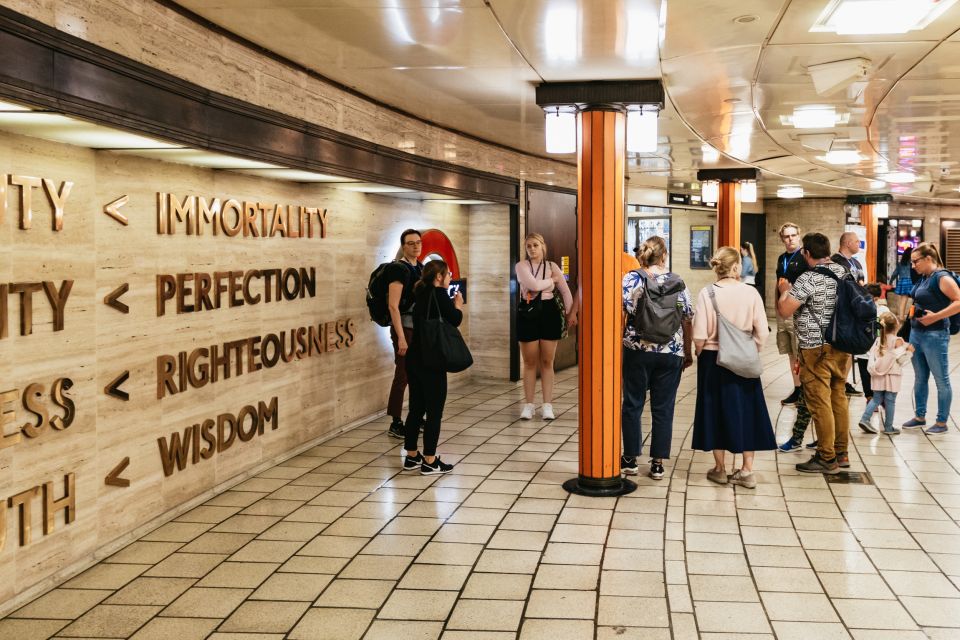
About halfway through, you’ll make a stop at the London Transport Museum. This is a useful reset. After moving through stations and hearing about tunnels, electrification, and disused platforms, the museum visit helps you see artifacts and visuals that reinforce the timeline.
I like tours that add context without turning into a full-day museum plan. A short visit here gives you a way to connect the dots—especially if you’re the kind of person who remembers better with objects and images than with pure storytelling.
How the tour flows in real life (and where time can slip)
The tour lasts 2.5 hours. That time is used on walking, guided explanation, a short public-transport segment, and the museum stop. It’s not a long stroll that drifts. It’s a structured sweep, which is great if you want value per hour.
There can be some practical friction, because station life is station life: crowding, changing train conditions, and the reality that the Underground doesn’t always cooperate. One common theme in feedback is that guides handle adjustments well when service disruptions happen.
If you prefer a super laid-back pace with lots of stops to explore on your own, this may feel a bit brisk. But if you want a tight learning route, the pacing is usually a strength.
Audio headsets: small detail, big difference
Audio is included, and the tour provides headsets. That matters more than you might expect. Station noise can swallow conversation, and once you’re moving in a group, it’s easy to lose the thread.
Headsets also make the tour more inclusive in a simple way: you can actually hear the guide without craning your neck or playing catch-up. If you’ve tried history walks in London before, you know how quickly “interesting” can turn into “I can’t hear anything.”
Guides and the vibe: when history stays fun
The guide experience seems to be the secret sauce. Recent feedback names guides like John, Peter, Aaron, Angela, and Aran—and the recurring praise is that the guides are entertaining without sacrificing detail.
The best guides do two things: they keep the flow moving and they make you feel like questions are welcome. Based on the pattern of comments, that’s exactly what you can expect here. You’ll also notice that guides tend to point out things you’d miss if you were just wandering through.
So if you’re thinking, Will this just be a list of facts? The evidence says no. It’s more like a guided story walk where the guide connects history to what you’re standing next to.
Price and value: what $40 buys you
At about $40 per person, you’re paying for the guide plus the audio system. You’re not paying for Underground fares, food, or hotel pickup.
That’s important for value math. The tour cost is reasonable if you treat it as a guided education experience. The real win is that you get structure: you’re shown which stations matter and why, instead of spending your time guessing what’s worth your attention.
If you’re already planning to spend time on the Underground that day anyway, the tour can be a strong upgrade to your day. It turns transit time into a themed walk with museum context.
If you’re on a strict budget and already know you’ll be able to study on your own, then the price may feel harder to justify. But if you want someone to connect the timeline and point to the details, the math works.
What to bring, what to skip, and who should choose this
Bring a public transport ticket. The day requires a travel card for the right zones or an Oyster card ahead of time, because the tour uses public transport as part of the route.
Don’t bring luggage or large bags, and note that baby strollers aren’t allowed. If you’ve got a big rolling suitcase, plan for a locker or another option before you meet the guide.
This is also a walking tour with stairs. It’s not suitable for people with reduced mobility or wheelchair users due to the steps involved across the system.
If you’re traveling with kids, it can work well when your child is curious about how things work. Even if a child doesn’t care about every date, they’ll likely enjoy the station stories and the spooky bits.
Should you book the London Underground Secrets tour?
Book it if you want a guided way to see the Tube as history, engineering, and London folklore all at once. It’s best for people who love details and want a guide to connect the places to what was happening in the city—steam to electric, early tunnels to modern networks, and wartime survival to abandoned station mysteries.
Skip (or at least reset your expectations) if you’re specifically hoping for a big behind-the-scenes look into sealed, disused spaces. This tour focuses on what you can see and learn from stations and museum context. It’s still a strong experience, but it’s not a guarantee of physical access to places that are closed off.
If your goal is to leave London’s Tube with smarter eyes—seeing why it looks the way it does—this tour is a very solid use of 2.5 hours.
FAQ
Where does the tour start?
The tour starts at Baker Street Station, with the guide meeting you by the Sherlock Holmes statue outside the station.
Where does the tour finish?
The tour finishes at 10B Bridge St, Westminster, London SW1A 2JR, UK.
How long is the London Underground walking tour?
The duration is about 2.5 hours.
What is included in the price?
The tour includes a tour guide and audio headsets.
Do I need an Underground ticket or Oyster card?
Yes. You’ll need an Underground ticket / Oyster card for the Tube travel used during the tour. A travel card for the right zones is required and must be purchased separately.
Do I need to bring anything?
You should bring a public transport ticket (or your appropriate travel card/Oyster card) since transport is part of the tour.
Is the tour all walking?
No. There is a moderate amount of walking, plus a short segment of public transport during the tour.
Is the tour suitable for reduced mobility or wheelchair users?
No. It is not suitable for customers with reduced mobility or wheelchair users due to the steps on the Underground.
Are strollers or luggage allowed?
No. Baby strollers are not allowed, and luggage or large bags are also not allowed.
What languages are tours offered in?
The tour is offered with a live guide in English.