REVIEW · LONDON
London: Private Underground and Tube Tour
Book on GetYourGuide →Operated by Brit Icon Tours · Bookable on GetYourGuide
London Underground has more stories than you think. This private tour follows the rail network through 150 years of change, starting at Paddington and ending at Westminster, with your guide pointing out what you normally sweep past. I love that it turns everyday platform time into a real lesson in how London built, expanded, and rewired itself underground.
You’ll get two standout kinds of value. First, you’ll learn the practical “how it actually works” details, like why it once mattered which way to travel on the Circle Line. Second, the tour leans into the eerie side with ghost stations and a reality-check on how accurate the Tube map really is when you’re standing there.
One big consideration before you go: this tour is not set up for wheelchairs or prams, and baby carriages aren’t allowed because of the nature of the stations you visit. If mobility or stroller space is an issue for you, double-check alternatives before booking.
In This Review
- Key things to know before you step onto the platforms
- Why 150 Years Underground Changes How You See Stations
- Start at Paddington Platform 1: Meeting Point and First Impressions
- The Oldest Track Stretch and the Rival Companies Story
- Circle Line Direction Tip and the Tube Map Reality Check
- Deep, Beautiful, Peculiar Stations You Can’t See on a Normal Ride
- Ghost Stations: The Eerie Part That Teaches Real History
- What 165 Minutes Feels Like on the Ground
- Price and Logistics: Is $84.86 Good Value?
- Who This Private Underground Tour Suits Best
- Should You Book This London Underground and Tube Tour?
- FAQ
- Where does the tour start?
- Where does the tour end?
- How long is the tour?
- Is this tour private?
- What language is the guide?
- How much does the tour cost?
- Is travel on the Underground included in the price?
- Do I need an Oyster card or Zone 1 travel card?
- Are baby carriages allowed?
- Is the tour wheelchair accessible?
Key things to know before you step onto the platforms
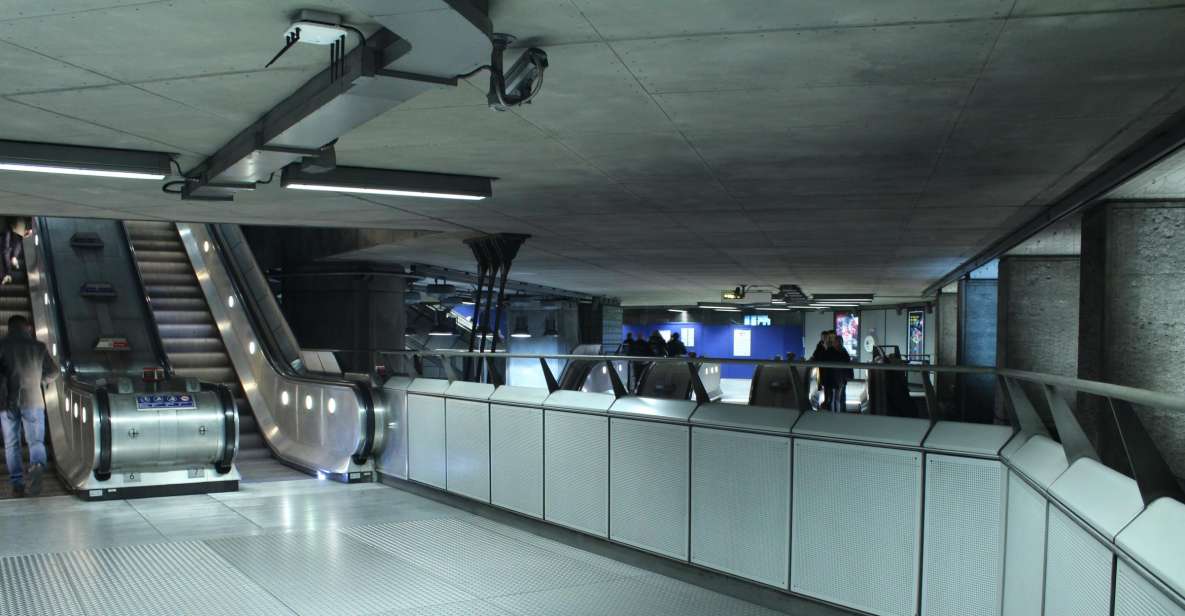
- Paddington Station start point: Underneath the clock on Platform 1, then you’ll work your way toward Westminster
- 150-year Underground timeline: From the Underground’s 1863 opening through the shift away from steam
- Circle Line direction lesson: You’ll learn why choosing the correct direction used to matter
- Oldest stretch of railway line: You’ll ride or travel along one of the earliest sections
- Ghost stations included: You’ll hear the stories of stations you won’t think about on a normal ride
- Tube map reality check: You’ll compare what the map promises versus what you see underground
Why 150 Years Underground Changes How You See Stations
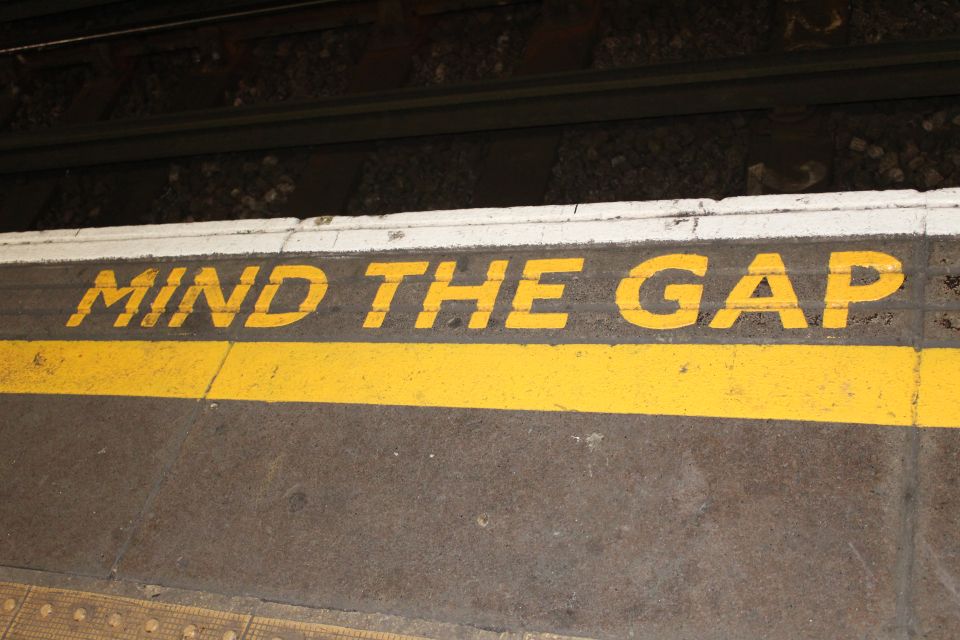
The Underground is old enough to feel like part of the city’s bones. But most of us treat it like a conveyor belt: in, out, mind the gap, repeat. On this tour, the same platforms and corridors become a timeline you can feel under your feet.
What makes it work is the mix of eras and details. You’ll hear how London got its Underground, how different lines were run by rival companies in the early days, and why the network eventually moved toward electric trains instead of steam. That kind of context doesn’t just satisfy curiosity. It helps you understand why the layout, signage, and line behavior can feel slightly chaotic when you’re traveling fast.
Then comes the fun part: the tour’s focus on the stuff you don’t notice unless someone points it out. That includes the quirks around station design and the way the Tube map presents the network. By the end, you’ll be looking at stations like a puzzle with history attached, not just stops on a route.
You can also read our reviews of more private tours in London



Start at Paddington Platform 1: Meeting Point and First Impressions
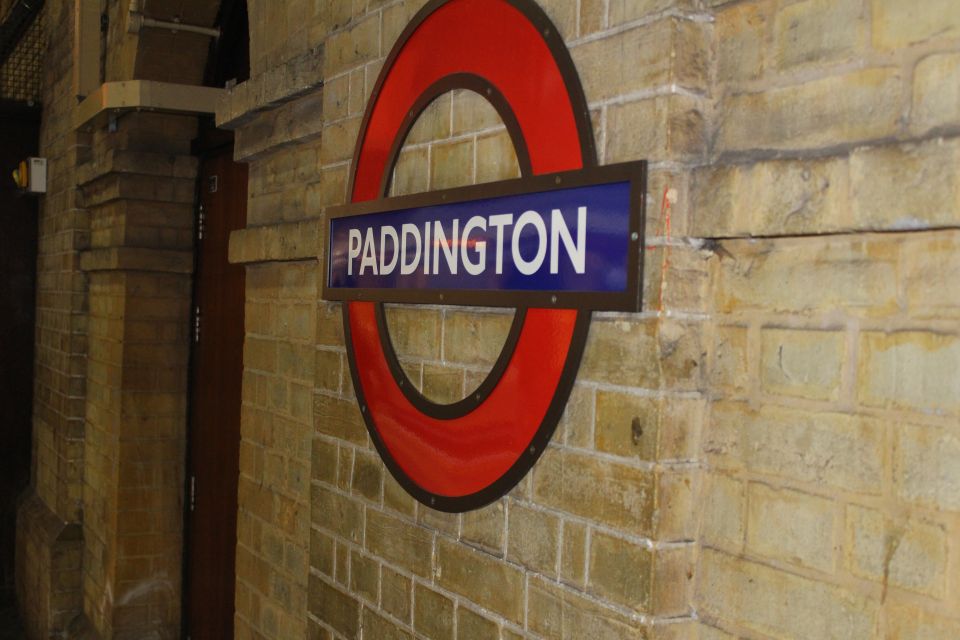
The experience begins in a very specific place: underneath the clock on Platform 1 at Paddington Station. That matters because Underground tours can be easy to miss if you arrive late or wander the concourse without a clear reference point.
Paddington also sets the tone. It’s a station that signals London’s reach outward—then the tour pulls you inward into the older depths of the network. You’ll likely get your first orientation quickly, including reminders like mind the gap, because you’ll be moving through platform edges and station areas where small details matter.
From the start, your guide frames what you’re about to see. You’ll learn the story of how the Underground expanded, including how ownership and competition between different rail companies affected what you see today. This gives you a “why” early, so the later station stories land harder.
The Oldest Track Stretch and the Rival Companies Story
One of the highlights is travel along London’s oldest stretch of railway line. Even without getting lost in exact technicalities, you can feel the difference in how early rail lines were built and how the network evolved around them. It’s the Underground as infrastructure, not just scenery.
A key theme you’ll hear is the early era when different parts of the system were controlled by rival companies. That’s more than a trivia topic. It explains why London’s lines don’t behave like a single uniform system the way some cities’ subways do. Different priorities from different operators can leave fingerprints in station design and network logic.
This is also where the timeline becomes practical. You’ll connect those early decisions to later upgrades, including why the network replaced older motive power. The tour talks about the shift away from steam engines and toward electric trains, which is a turning point in the Underground’s daily reality. When you understand that, you can make better sense of how the system looks and works now.
Circle Line Direction Tip and the Tube Map Reality Check
The tour has a clever way of mixing legend with “I can use this tomorrow” knowledge. One memorable focus is learning why it was important to know which way to travel on the Circle Line. If you’ve ever boarded a train and wondered if you were about to chase the wrong loop, this part hits instantly.
The reason it’s valuable isn’t just that you’ll learn a historical rule. It trains you to read the network with more attention. You start thinking: Which direction are we going? What path is the train taking through the system? That awareness can save time when you’re traveling independently later.
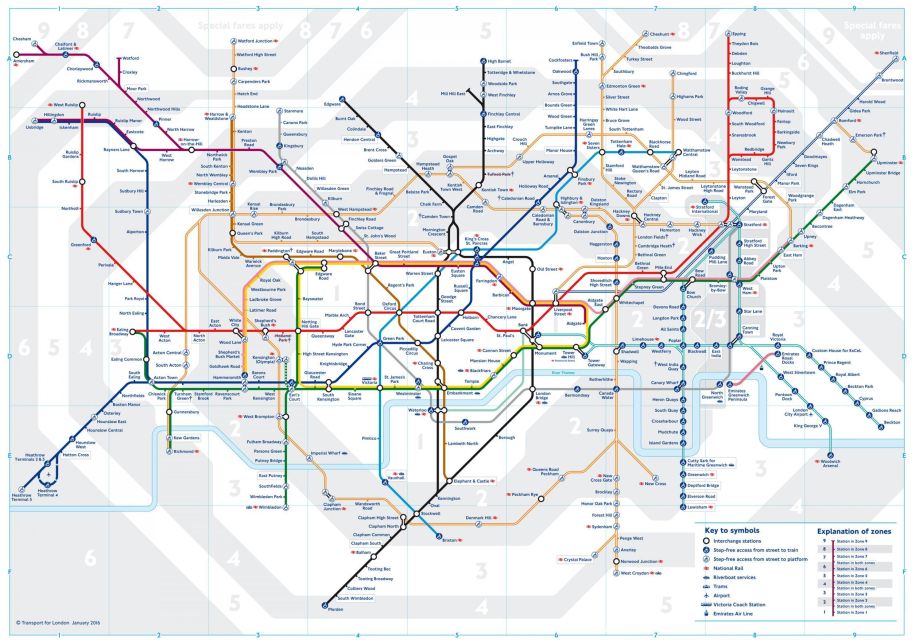
Then you get the Tube map reality check. The Underground diagram is brilliant at helping you plan, but it flattens a complex underground world into a clean graphic. During the tour, you’ll discover just how accurate the map is and where it can lead you astray. You’ll be able to compare what you see physically with what the map suggests on paper.
This is one of those rare travel experiences where the “lesson” becomes a habit. Afterward, you’ll walk into stations and naturally scan for the things your guide trained you to notice.
Deep, Beautiful, Peculiar Stations You Can’t See on a Normal Ride
You’ll visit some of London’s deepest and most famous Underground stations, and the tour leans into why they feel so different from the surface world above. Depth changes everything: how long corridors feel, how lighting behaves, how sound carries, and how you orient yourself.
The best part here is the guide’s framing. Instead of treating station architecture like random decoration, you’ll connect it to the Underground’s growth and the technology changes that followed. The move to electric trains is part of that story, and it helps explain why later stations and tunnels evolved differently than the earliest lines.
You’ll also hear about the Underground’s “quirks and things that go unnoticed” during a regular commute. That phrasing is important. This tour doesn’t just show you a historic postcard. It points out the practical details you miss when you’re rushing, distracted, or trying to catch your connection.
One practical note: the route can change slightly depending on improvement work on the network. That’s normal for London. Plan to treat the core ideas and main themes as steady, even if the exact walk segments shift.






Ghost Stations: The Eerie Part That Teaches Real History
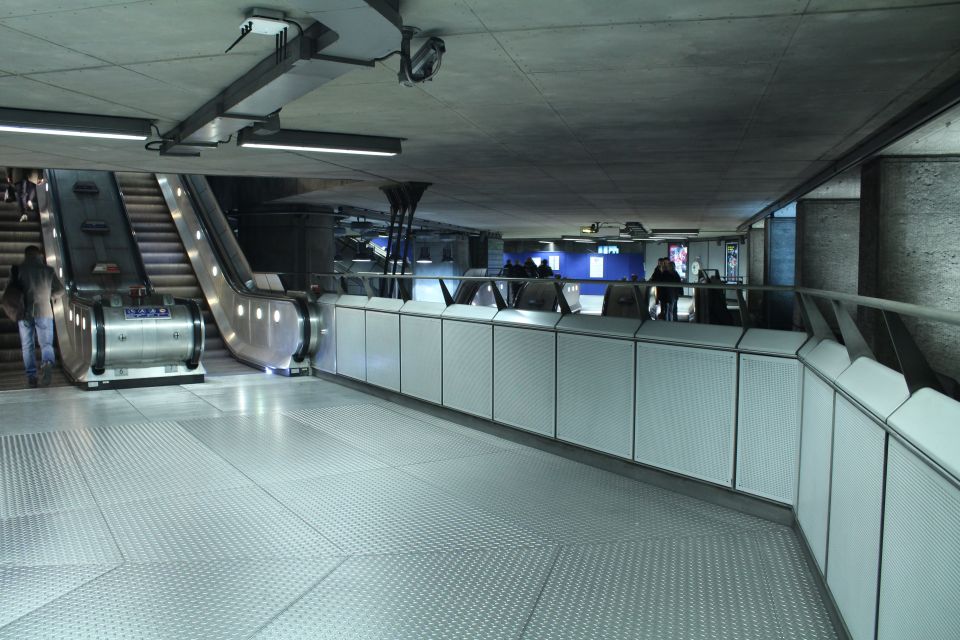
The tour includes the subject of London’s ghost stations, which is basically history with a chill. You’ll get stories of stations that don’t operate the way they once did and that you might never think about if you only use the network in the daytime routine of modern travel.
This section is valuable because it reframes your assumptions. The Underground looks permanent, but the network is constantly adapting: lines get redirected, stations change roles, and some spaces become leftovers. Learning that makes the whole system feel less like a static museum and more like a living organism.
It also pairs nicely with the Tube map lesson. Ghost stations are a reminder that the map is a snapshot of service, not a full record of every corridor and platform that ever existed. When you understand that, you’ll start noticing signs of past planning in places you previously treated as just part of your route.
And yes, it’s fun. There’s something about hearing a station story in the actual station itself. The atmosphere turns the facts into a feeling you’ll remember.
What 165 Minutes Feels Like on the Ground
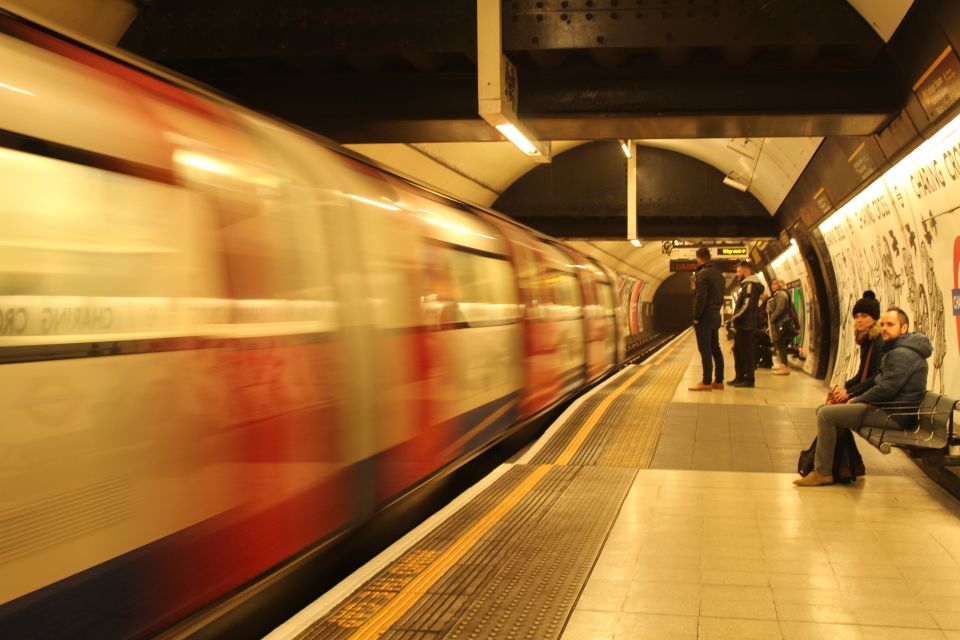
The tour runs 165 minutes, so you’re signing up for a real chunk of time—long enough to cover multiple themes, short enough to still feel like a focused afternoon plan. You’ll be walking and moving through stations, so comfortable shoes matter. Underground surfaces can be uneven, and station stairs add up faster than you expect.
There’s also a practical reality: the tour time is tight, and station visits don’t always come with easy breaks. One consideration I’d take seriously is bathroom planning. If you’re sensitive to long stretches without a clear stop, I’d plan ahead before you start so you can enjoy the tour without stress.
Because this is a private group, you’re not stuck listening to a crowded room of different pacing needs. That said, it’s still a station-based walking tour, so you should expect some waits and some queueing as you move between areas.
Your guide will keep things flowing. The goal isn’t just to show you places; it’s to get you to see patterns: technology change, ownership change, and design change. That takes time, and 165 minutes is a good length for it.
Price and Logistics: Is $84.86 Good Value?
At $84.86 per person, this isn’t a “grab and go” bargain tour. It’s priced for a private, guide-led Underground experience with a specific historical focus and a route that uses the network itself. That’s why value here depends on what you want from London.
If you enjoy transit history, station architecture, and learning the real stories behind a city’s everyday infrastructure, this price can feel fair. You’re paying for more than commentary. You’re paying for someone to translate the Underground into a coherent narrative and point out details you won’t find on your own.
Also remember what’s not included: travel costs. The tour requires a Zone 1 travel card or an Oyster card topped up with at least £7 of pay-as-you-go credit. That doesn’t make the tour more expensive in theory, but it does mean you should budget for the transit piece so you’re ready when the tour uses the network.
The big value booster is the guide. The experience is described as engaging and question-friendly, with guides named Rory, Jericho, Chris, and Fiona appearing for this tour. The common theme is personality plus facts, which is exactly what you want when you’re underground and can’t exactly pull out a textbook.
Who This Private Underground Tour Suits Best
This tour is best for people who like to look closely. If you enjoy history, but you also like practical understanding—how directions matter, why the map is drawn the way it is, and how technology changed the system—this will feel satisfying from start to finish.
It’s also a good fit for families, as long as the parents can handle the walking and the station environments. The tour is a private group, and that structure usually makes it easier to keep kids interested than a large group might. Just know the limitations: no baby carriages, and it’s not accessible for wheelchair users or parents with prams.
If you want a calm, scenic “sit and watch trains” experience, this may not be the right match. It’s a walking tour with station transitions and a guide who expects you to pay attention to details.
If you’re a first-timer to London’s Underground, you’ll come away with mental shortcuts for navigating. If you’ve ridden the Tube for years, you’ll still likely learn things that change how you interpret what you’re seeing.
Should You Book This London Underground and Tube Tour?
I think you should book this tour if you want your Underground time to mean something. It’s not just a route; it’s 150 years of how the network got built, explained in the very places where the story happened.
Skip it if accessibility is a concern for you, especially if you need stroller access or wheelchair-friendly routes. Also be honest about how you handle long station walks and whether you need frequent breaks.
If you fall into the first group, this private format is a strong way to get a smarter relationship with the Tube. You’ll finish with stories you can tell, and you’ll ride the network afterward with a sharper eye.
FAQ
Where does the tour start?
It starts underneath the clock on Platform 1 of Paddington Station.
Where does the tour end?
The tour ends at Westminster Station.
How long is the tour?
The duration is 165 minutes.
Is this tour private?
Yes. It’s listed as a private group with a live guide.
What language is the guide?
The live tour guide is English.
How much does the tour cost?
The price is $84.86 per person.
Is travel on the Underground included in the price?
Travel costs are not included, and you’ll need your own Zone 1 travel card or Oyster card.
Do I need an Oyster card or Zone 1 travel card?
Yes. A Zone 1 travel card or an Oyster card topped up with at least £7 pay-as-you-go credit is required.
Are baby carriages allowed?
No. Baby carriages are not allowed.
Is the tour wheelchair accessible?
No. It is not accessible for wheelchair users, and it’s also not suitable for parents with prams.