REVIEW · JACK THE RIPPER TOURS
London: Jack the Ripper Tour
Book on GetYourGuide →Operated by See Your City · Bookable on GetYourGuide
Whitechapel turns into a crime board on foot. This 2-hour Jack the Ripper walk mixes Victorian streets, a guide who explains the case, and hands-on suspect cards to help you play along. I particularly like how you’re guided to follow the story through real East End locations instead of just hearing names and dates.
Two things I love: first, the approach is built around the investigation itself, including photo-evidence style clues and theories about who could have been involved. Second, you don’t just focus on murders; you also get the everyday Whitechapel context and even the cultural links that shaped characters like Sherlock Holmes. The main drawback to consider is language: it’s led in Italian, and if Italian isn’t your strength, you may lose the plot.
In This Review
- Key highlights to look for
- Two hours in Victorian Whitechapel: how the tour really works
- Starting at Altab Ali Park: getting oriented before the case begins
- The Ten Bells to Christ Church stretch: crime-scene mood on familiar streets
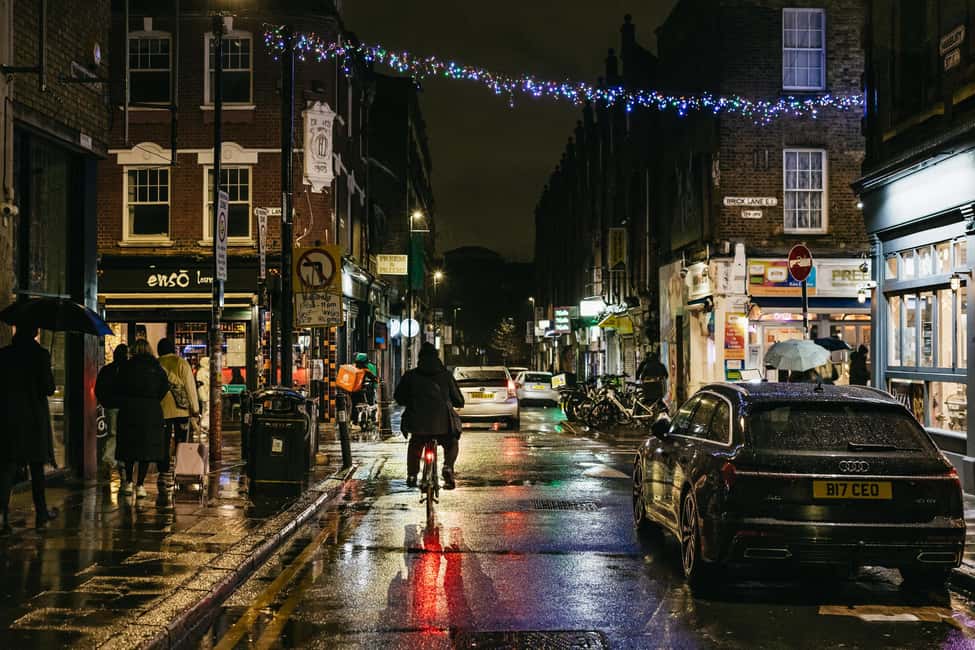
- Brick Lane and the Whitechapel rhythm: markets, alleys, and daily life
- Evidence, theories, and suspect cards: how you’re asked to think
- Sherlock Holmes connections: why the case echoes in pop culture
- Italian-language tours: great when it clicks, frustrating when it doesn’t
- Price and value at about $26.94 for 2 hours
- Who should book this Jack the Ripper walk
- Should you book this London Jack the Ripper Tour?
- FAQ
- How long is the Jack the Ripper walking tour?
- What language is the live guide?
- Where does the tour start?
- Where is the nearest Underground station?
- What time does the tour run?
- What stops are included on the route?
- Where does the tour end?
- Is food or drinks included?
- Is the tour wheelchair accessible?
- Is the tour suitable for children?
- Can I cancel for a refund?
- Is there a pay-later option?
Key highlights to look for
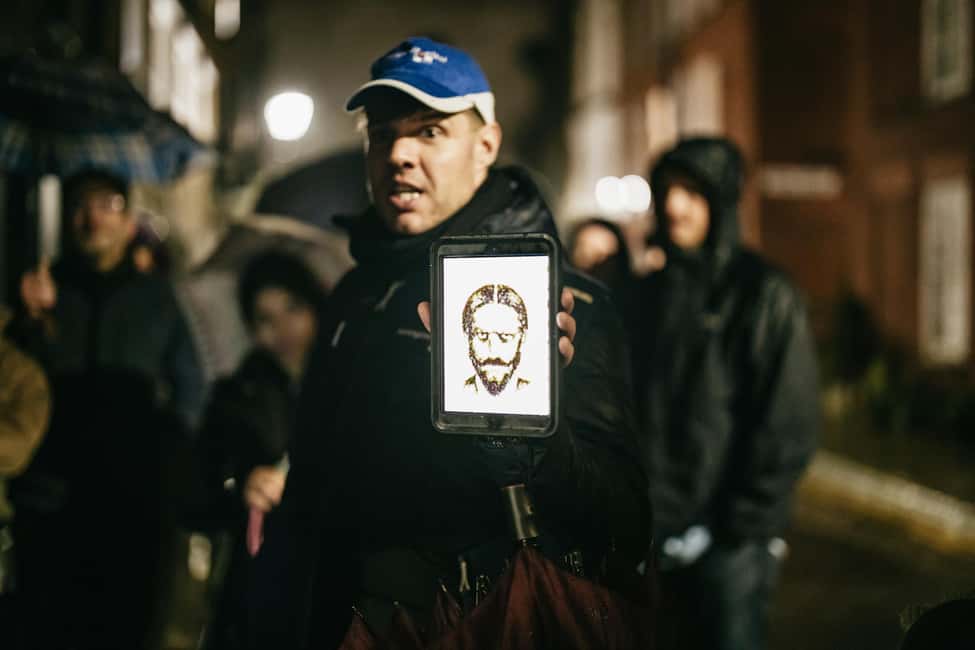
- Suspect cards that turn the walk into a case file you can work through
- A guide who shares theories about suspects using evidence and investigation stories
- Real Whitechapel area stops tied to the case, including Ten Bells and Spitalfields Market
- Victorian everyday life context, not just crime headlines
- The route also connects to the Sherlock Holmes cultural backdrop
Two hours in Victorian Whitechapel: how the tour really works
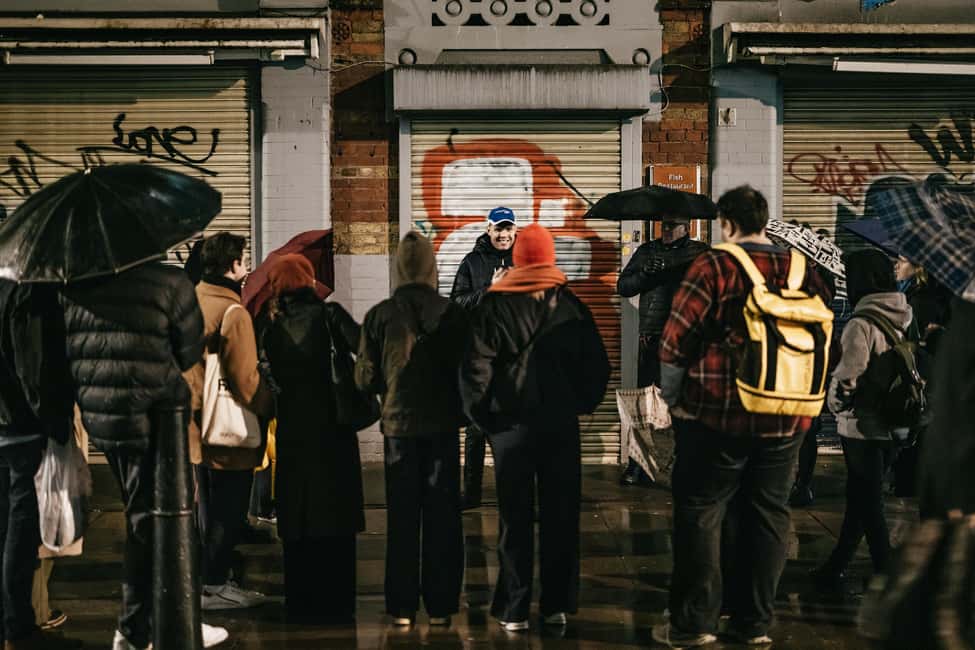
This is a walking tour that treats Whitechapel like a living evidence board. You’re led by a Ripperologist guide, and the pace is set up so you can actually track the case from stop to stop, not just shuffle along and listen. The big idea is that you’ll be encouraged to think like an investigator: what’s known, what’s rumored, and what theories never fully resolve.
I like that the format is interactive. You’re given suspect cards, and the tour uses those as a way to organize the stories you hear. That matters because Jack the Ripper lore can feel chaotic fast. Here, the guide keeps steering you back to a clearer question: who could fit, and why do people argue about it?
One practical thing: this tour is entirely outdoors, so you’ll want to dress for the weather. Also, expect graphic detail and visual content—so if you’re sensitive to true-crime topics, take that seriously. The tour is listed as wheelchair accessible, but public paths can still vary, so it’s smart to plan for real-world pavement and street-level conditions.
You can also read our reviews of more tours and experiences in London.



Starting at Altab Ali Park: getting oriented before the case begins
You meet at the west entrance to Altab Ali Park, right at the corner of White Church Lane and Whitechapel High Street, by the large iron arch gate. The nearest Underground stop is Aldgate East. This matters because Whitechapel can feel like a patchwork of modern streets and older neighborhoods, and you’ll want an easy starting point so the tour doesn’t begin with confusion.
Starting at a recognizable memorial/church area also sets the tone. The guide uses that location to anchor the neighborhood’s identity before moving you into the case narrative. In plain terms: you get your bearings first, then the stories start stacking up.
And yes, it’s a walking tour—so comfortable shoes are a must. You’re moving through streets where the background changes fast: shop fronts, market areas, and building facades that look totally different depending on the angle. Getting to know the neighborhood layout early helps you connect the dots later, especially when you’re hearing about why Whitechapel mattered.
The Ten Bells to Christ Church stretch: crime-scene mood on familiar streets
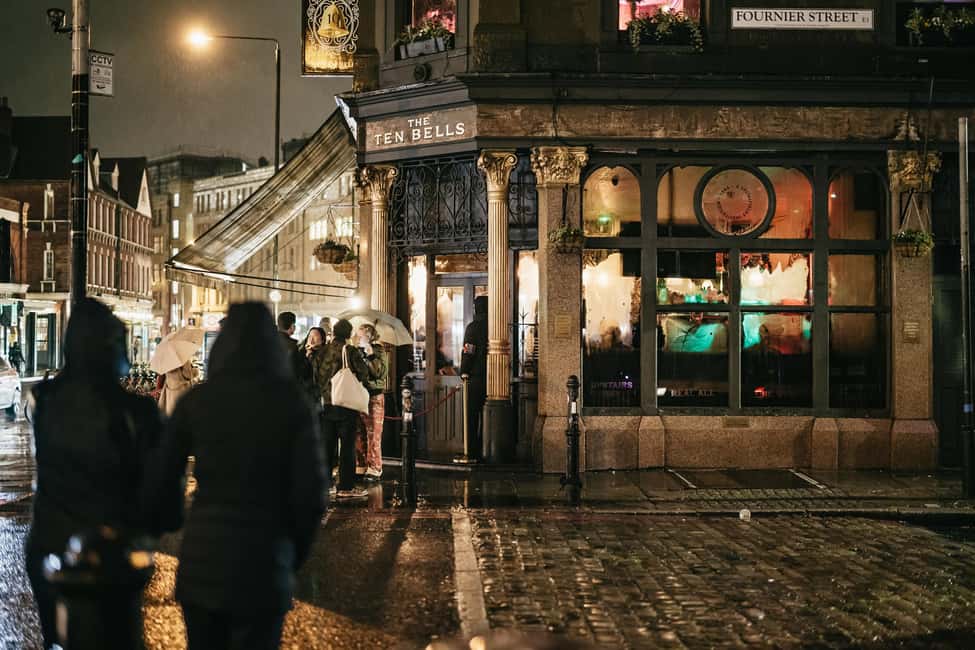
The route kicks off with the Ten Bells area. Ten Bells gets attention in Ripper lore, and on this walk it’s treated like more than a name-drop. Even when you’re just passing by, it works as an emotional marker: a recognizable stop that helps you picture where people gathered and what life felt like around the investigation era.
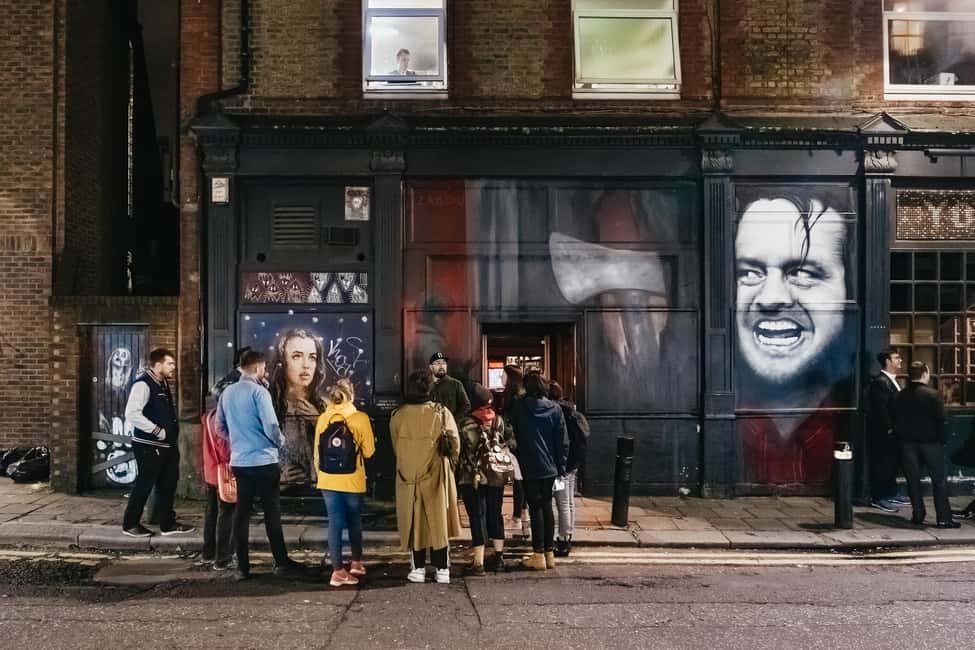
From there, you move through the East End by heading toward Christ Church London and Mitre Square. These stops are useful because they place the case inside real geography—church-adjacent streets, small squares, and routes people would have used every day. That’s one of the best parts of a walking tour like this: you stop thinking of the case as something trapped in history books and start thinking about the actual streets where events might have unfolded.
There’s also a trade-off here. These are pass-by segments in the route plan, so you won’t get museum-style time at every location. If you love lingering to read plaques and absorb architecture slowly, plan for quick context and then keep going. The tour’s strength is the storyline, not extended sightseeing breaks.
Brick Lane and the Whitechapel rhythm: markets, alleys, and daily life

After the central case anchors, the walk turns toward areas that show you Whitechapel’s everyday energy. You’ll pass Brick Lane, plus the wider Spitalfields and market surroundings that define the East End feel. This is where the tour becomes more grounded. It stops being only about shock and starts being about the neighborhood conditions that formed the backdrop for the crimes.
You also get Spitalfields Market on the route. Even if the market is not in full swing when you go, the area still helps you understand the neighborhood’s history as a working place—where people moved through streets for jobs, trade, and daily errands. That’s one reason these stops matter: Whitechapel wasn’t a blank stage. It was a lived-in place with movement and noise and limited privacy.
Then you’ll also pass through the Petticoat Lane area. Petticoat Lane is part of the East End shopping story, and it adds texture to what you hear about the era. When you’re told about poverty, instability, and harsh living conditions, it lands differently when you’re standing in a neighborhood that still carries the shape of commerce and crowd flow.
The drawback is simple: since the tour is built around interpretation, you’ll have less control over the exact pace. If you like to wander on your own between stops, you might feel a little boxed in by the guide’s sequence. But if you want someone to connect the case dots for you, the tight routing is a plus.
Evidence, theories, and suspect cards: how you’re asked to think
This tour leans hard into the investigation storytelling. You’ll hear true-to-life accounts of the victims and the shady suspects tied to the case, along with theories and questions that never fully settle. The guide uses the idea of evidence—specifically including photographic evidence style discussion—to help you assess clues rather than just absorb dramatic narration.
This is where the suspect cards pay off. The format nudges you to sort information as you go: who people think fits, what gaps exist, and why certain theories keep resurfacing. Jack the Ripper cases are full of uncertainty, and the tour doesn’t pretend every answer is clean. That honesty makes it more engaging, because you’re not only listening to a conclusion—you’re working through competing possibilities.
You’ll also hear the kinds of guiding questions people ask in Ripper lore:
- Was Jack ever close to being caught?
- Why Whitechapel as a target?
- Where was any evidence discovered?
The point isn’t to hand you a guaranteed solution. It’s to show how the story got built, why different theories exist, and how evidence—or missing evidence—shapes what we think we know. If you enjoy mystery thinking, this part feels like a case-solving exercise.
If you don’t want graphic detail, treat the evidence discussion as something you may find intense. The tour is explicitly described as containing graphic details and visual content, so don’t assume it’s toned down.






Sherlock Holmes connections: why the case echoes in pop culture

One of the more interesting angles on this walk is the link to Sherlock Holmes. You’re shown the cultural context behind how that kind of detective thinking took hold—and how true crime themes blended into the popular imagination.
This matters because Ripper stories didn’t live in a vacuum. Late 1800s London fed public fascination: fear, sensational reporting, urban anonymity, and the idea that deduction could bring order to chaos. The tour’s job is to connect those dots so Holmes doesn’t feel like a random leap from one headline to another.
If you’re a Holmes fan, you’ll likely enjoy how the guide frames him as part of a broader detective mindset, shaped by the era’s anxieties and storytelling habits. If you’re not a Holmes fan, don’t worry—you can still find value here. The Holmes connection is a way to interpret the case’s afterlife: why people still talk about it, and why it keeps shaping modern mystery culture.
Italian-language tours: great when it clicks, frustrating when it doesn’t
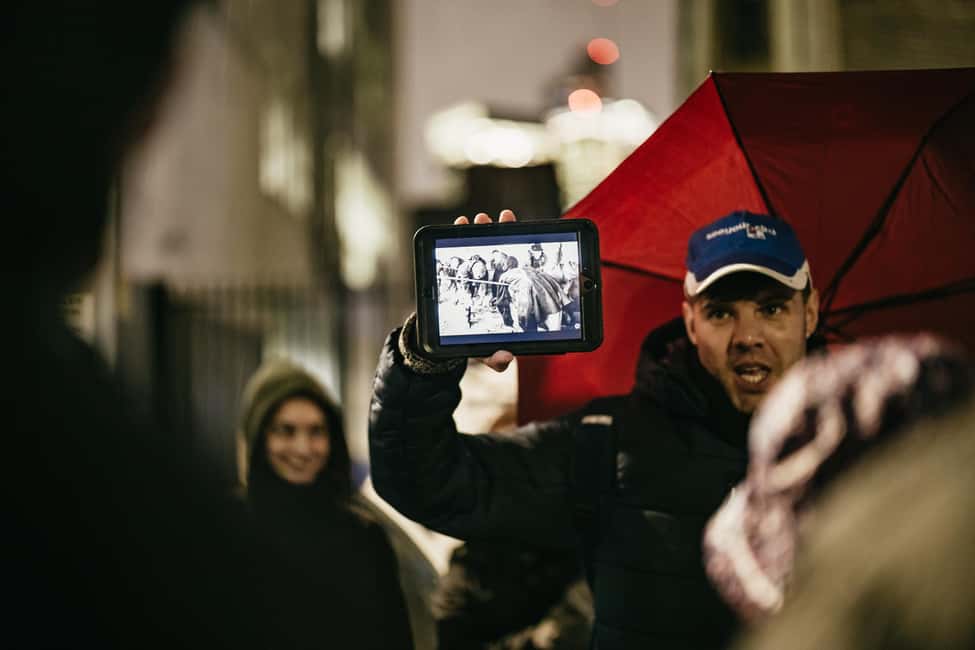
This tour is led in Italian. When it works, it’s a fantastic way to get a focused, animated guide who brings the neighborhood story to life. In one example, an Italian guide named Perla was praised for leading groups with enthusiasm and professionalism, turning the route into a clear, energetic narrative.
When it doesn’t work, the language can be the bottleneck. One disappointment described an Italian booking where the guide couldn’t make themselves understood, leading to confusion rather than clarity. That’s the key consideration for you: if you’re not confident with Italian, this tour may become harder to follow than you expect.
My practical advice: if you can manage basic Italian, you’ll probably enjoy it more. If you can’t, go in with lower expectations for comprehension and plan to focus on atmosphere and location context rather than every line of investigation detail.
Price and value at about $26.94 for 2 hours

At about $26.94 per person for a 2-hour walking tour, you’re paying for a guided, story-driven case walkthrough with a trained Ripperologist and a structured route through Whitechapel. That’s fairly good value for London, especially if you like learning in context rather than sitting in a static exhibit.
What you should know about value: the price includes the tour and the guide, but it does not include food or drinks. That’s not a deal-breaker, but it does mean you should plan water and a snack if you need one. If you’re doing this earlier in the day, you can pair it with a market lunch afterward—Spitalfields and surrounding areas are naturally suited to that.
Is it worth it? For the right traveler, yes:
- You want a guided walkthrough of Whitechapel’s key Ripper-linked locations
- You enjoy mystery logic and competing theories
- You like Victorian neighborhood context alongside the crime stories
If you’re mostly interested in hardcore academic debate or you want long museum-style stops, you may find the 2-hour runtime a bit tight. The tour is built to move, interpret, and keep your attention.
Who should book this Jack the Ripper walk

Book it if you’re the type who likes true crime as a puzzle, not just as shock value. This is especially good for people who enjoy detective work—sorting evidence, hearing theories, and getting the case’s cultural ripples. It also suits history-minded travelers who want the everyday life in Whitechapel angle, since the guide focuses on the neighborhood’s impoverished conditions and what daily life may have looked like.
It also makes sense for photographers and curious walkers who want to see how modern Whitechapel still feels like the stage for older stories. Ten Bells, Christ Church, Mitre Square, Spitalfields Market, Brick Lane, and the Petticoat Lane area give you a practical sense of the neighborhood layout rather than only a list of locations.
Don’t book it if you strongly dislike graphic detail and visual content, or if Italian comprehension will prevent you from following the evidence talk. In that case, you might spend half the tour trying to catch up, which defeats the point.
Should you book this London Jack the Ripper Tour?
If your dream is a smart, street-level Ripper case file—with suspect cards, real Whitechapel stops, and a guide who explains the investigation approach—this is a solid choice. The biggest deciding factor is language. If you can comfortably follow Italian or you’re okay with atmosphere over perfect comprehension, you’ll likely have a memorable walk through a neighborhood that still carries the case’s shadow.
If you want a fully English experience or you need every detail clearly explained, choose carefully. The tour’s format is tight, the topic is intense, and the communication is Italian—so you’ll want that match to be right before you commit.
FAQ
How long is the Jack the Ripper walking tour?
The tour lasts 2 hours.
What language is the live guide?
The live tour guide is Italian.
Where does the tour start?
Meet your guide at the west entrance to Altab Ali Park, at the corner of White Church Lane and Whitechapel High Street, at the large iron arch gate.
Where is the nearest Underground station?
The nearest Underground station is Aldgate East.
What time does the tour run?
It runs at starting times shown on availability.
What stops are included on the route?
Stops include Brick Lane, Christ Church London, Spitalfields Market, Mitre Square, Petticoat Lane, and Ten Bells Pub.
Where does the tour end?
The activity ends back in the same area, finishing at The Ten Bells Spitalfields.
Is food or drinks included?
No. Food and drinks are not included.
Is the tour wheelchair accessible?
Yes, the tour is listed as wheelchair accessible. It takes place outdoors, and path conditions can vary.
Is the tour suitable for children?
Participants under 18 must be accompanied by an adult, and the tour contains graphic details and visual content.
Can I cancel for a refund?
Yes. There is free cancellation up to 24 hours in advance for a full refund.
Is there a pay-later option?
Yes. You can reserve now & pay later.