REVIEW · JACK THE RIPPER TOURS
London: Jack the Ripper Tour in Spanish
Book on GetYourGuide →Operated by Empire Tours and Productions LLC (United Kingdom) · Bookable on GetYourGuide
The fog is optional, but the mood is not. This Jack the Ripper tour in Spanish turns Victorian London’s streets into a living murder case file, with interactive stops and guided storytelling. You walk where the events unfolded and you’re given enough context to understand why every clue matters.
I especially like the small-group feel and the chance to ask questions while you’re moving. I also like the format: stories plus quizzes and reenactments keep it from becoming a long lecture. If your Spanish is shaky, you’ll still get the gist, but you may miss some of the finer points.
In This Review
- Key things that make this Jack the Ripper tour worth your time
- Why a Jack the Ripper Tour in Spanish feels more real than you expect
- Meeting at Aldgate East: quick logistics, then straight into the story
- Whitechapel Road on foot: where the tour turns streets into clues
- Spitalfields Market: the Victorian vibe meets something you can still touch today
- Ten Bells Pub: the stop where lore becomes a physical place
- Brick Lane: watching the neighborhood evolve while the past lingers
- Aldgate East wrap-up: what “mystery” really means in this case
- Interactive stories, reenactments, and quizzes: how the format helps you remember
- Price and time: does $25.59 for 2 hours make sense?
- Who should book this Jack the Ripper walk in Spanish
- Tips to get more from your Spanish guide (without overthinking it)
- Should you book this Jack the Ripper Tour in Spanish?
- FAQ
- How long is the Jack the Ripper tour in Spanish?
- What language is the tour guided in?
- How much does the tour cost?
- Where do I meet for the tour?
- Where does the tour end?
- Is food included in the tour price?
- Are drinks included?
- What is the cancellation policy?
- Can I reserve now and pay later?
Key things that make this Jack the Ripper tour worth your time
- Spanish-only guidance, which makes it feel immersive and focused
- Interactive stories with quizzes and reenactments, not just one-way narration
- A route through major Ripper-linked areas: Whitechapel, Spitalfields, Ten Bells, Brick Lane, and Aldgate East
- Stops designed to connect street corners with investigations and competing theories
- A guide you can actually engage with in a small group setting
Why a Jack the Ripper Tour in Spanish feels more real than you expect
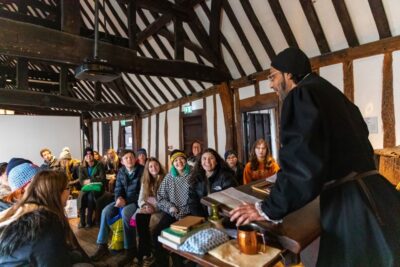
Jack the Ripper tours can turn into either cosplay or trivia. This one aims for something better: atmosphere with structure. The stories are delivered by a live guide in Spanish, and that does two things. First, it keeps the experience tight and immersive. Second, it forces you to listen actively, not passively scroll on your phone.
The best part is how the guide blends facts, myths, and competing interpretations. The point is not to crown one “official” answer, but to show you how details, rumors, and evidence get mixed together—like they did at the time. One guide style highlighted is that some guides, such as Cova, bring charm, humor, and strong passion for the subject, which makes the darker material feel easier to follow.
There is a downside to any Ripper-style tour: the topic is tragic. The tour is not described as graphic, but you are walking through locations tied to murders, so keep that in mind if you prefer lighter sightseeing.
You can also read our reviews of more tours and experiences in London.



Meeting at Aldgate East: quick logistics, then straight into the story
Your tour starts at Aldgate East station, right by the meeting point. You’ll look for a sign or storefront called Fashion Warehouse, where your tour guide will be waiting. The tour ends back at the same meeting point, so you’re not stuck figuring out a new end location late at night.
Two practical notes help you enjoy this more:
- Get there a few minutes early so you’re not rushed when the first story starts.
- Wear comfortable shoes. The tour is two hours and the focus is on walking and stopping, not sitting.
This is run by Empire Tours and Productions LLC (United Kingdom), which matters mainly because it’s a real operator you can reference when you’re planning your London day.
Whitechapel Road on foot: where the tour turns streets into clues
The tour begins in Whitechapel, the core area tied to Jack the Ripper. You’ll stroll along Whitechapel Road, and the whole point of this segment is to connect the modern street layout with the case atmosphere of Victorian London.
What I like about this kind of opening is that it gives you a mental baseline fast. You start with the setting—crowded streets, a rough reputation, and the kind of daily life where outsiders could go unnoticed. Then the guide ties that backdrop to the murders that brought Whitechapel worldwide attention.
A good Ripper tour doesn’t just say what happened. It explains why people at the time were confused. Here, you get that sense of uncertainty: you’re shown how locations became part of the story, and how the case generated theories that kept spreading.
The drawback is simple: Whitechapel is a real neighborhood, not a movie set. So expect the street to be street-like—cars, pedestrians, and the occasional distraction. That’s not bad. It’s part of what makes it feel grounded.
Spitalfields Market: the Victorian vibe meets something you can still touch today
Next up is Spitalfields, where you’ll explore around Spitalfields Market. The difference here is tone. Whitechapel sets the grim stage; Spitalfields gives it texture—trade, daily movement, and the sense of a neighborhood with ongoing life.
Even though this tour is focused on a murder case, Spitalfields helps you understand context. You’re not just looking at isolated landmarks. You’re moving through a district that has been changing for a long time, and that makes the story feel less like a myth and more like something that happened inside real routines.
The interactive elements—especially the guide’s use of quizzes—work well in places like Spitalfields. You’re actively tracking names, locations, and ideas while you can still see modern movement around you.
One consideration: markets can be busy depending on the day and time. If you’re sensitive to crowds, you’ll still be fine, but you’ll want to stay close to the group and listen for instructions at every stop.
Ten Bells Pub: the stop where lore becomes a physical place
Then you reach the Ten Bells Pub, one of the most famous names in Ripper-related London. The tour description points out that several of the victims are said to have frequented it. Whether you treat that detail as legend or fact, the visit is useful because it helps explain why certain places became part of the case narrative.
A lot of Ripper lore clings to pubs, streets, and common gathering spots. That’s because the victims and suspects came from ordinary life, not from a fantasy world of secret tunnels and hidden laboratories. Showing you a real location like Ten Bells helps you visualize the social geography: who met where, and how information might travel.
This stop also makes the tour feel different from a standard history walk. It’s not only about dates. It’s about culture—workdays, evenings, and the kinds of places where people would talk.
If you’re hoping for a fully inside-the-pub experience, the tour information doesn’t promise that. Think of it as a key story stop that uses the pub’s reputation and connection to the case.





Brick Lane: watching the neighborhood evolve while the past lingers
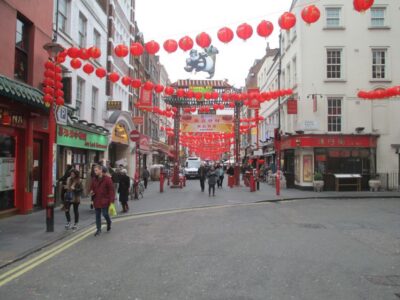
Next comes Brick Lane, known for street art and a diverse food scene today. The tour frames this as an opportunity to see how the area has evolved without losing its rough reputation.
I like this segment because it keeps you from getting stuck in one mood. You’re reminded that London keeps moving. The streets you’re standing on have layers—migration, commerce, art, and reinvention—stacked over the earlier decades. That makes the Ripper story feel less like a single moment frozen in time and more like a chapter in a longer neighborhood history.
Brick Lane also pairs naturally with the tour’s interactive style. Quizzes and reenactments tend to land better when the surroundings shift. You get the spooky case information, then you regain your bearings in a livelier modern street environment.
Practical tip: Brick Lane can get loud. If you’re listening in Spanish, keep your attention on the guide and try to stand where you can hear clearly during each story beat.
Aldgate East wrap-up: what “mystery” really means in this case
The tour finishes back at Aldgate East—the same meeting point near Fashion Warehouse. Ending where you started is practical, but it also works as a mental reset. You’ve just walked through several key areas, and now you’re given a final chance to tie threads together.
The description highlights that Aldgate East is linked to investigations and mysteries that still persist. That’s the right way to approach a case like this. The goal is not to force a single answer. It’s to understand how questions remained open, how people argued over details, and how the story kept growing after the events.
If you leave feeling like you still have questions, that’s normal. A well-run Ripper tour should do that. It turns you from a passive listener into someone who notices how evidence and rumor travel.
Interactive stories, reenactments, and quizzes: how the format helps you remember
A lot of historical tours suffer from the same problem: you hear a lot, then forget most of it by dinner. This one adds structure through interaction. The tour includes quizzes and reenactments, and that changes the pacing.
Here’s what that usually means for your brain while you’re walking:
- Quizzes force you to listen for specifics, not just vibes.
- Reenactments help you visualize timeline and location connections.
- The guide can correct misunderstandings on the spot, so you don’t carry confusion for the rest of the walk.
The guides are also described as passionate and energetic. In one highlighted example, Cova was praised for being charming, funny, and deeply into historical details. That kind of energy can make the subject easier to track, especially in Spanish.
Small-group tours help too. You’re less likely to get lost in the back. You can ask questions and get answers that match what you’re actually curious about.
Price and time: does $25.59 for 2 hours make sense?
At $25.59 per person for a two-hour guided tour, this sits in the mid-range for London walking experiences. The value here comes from three things:
- Language: Spanish-only guidance can be harder to find, and it’s a major part of what you’re paying for.
- Format: interactive stories with quizzes and reenactments add effort from the guide and make the two hours feel productive.
- Route choice: the tour hits multiple Ripper-linked areas—Whitechapel, Spitalfields, Ten Bells, Brick Lane, and ends at Aldgate East—without requiring you to string together multiple tickets.
You’re not paying for comfort extras. There’s no food or drink included. So think of it as a focused city walk. If you want dinner reservations, plan them after the tour because you’ll still want to eat.
Who should book this Jack the Ripper walk in Spanish
I think this tour fits best if:
- You enjoy London walking tours where the streets matter.
- You like darker storytelling but still want it explained with context.
- You want Spanish practice in a real-world setting where you’re actively listening.
- You appreciate guides who bring energy and specific detail to the story.
You might want to skip it if:
- You want a quiet, museum-style experience with minimal theatrics.
- You’re uncomfortable with topics involving murder.
- Your Spanish is beginner-level and you need every word. You’ll still follow the structure, but some of the nuance could be tough.
Tips to get more from your Spanish guide (without overthinking it)
You’ll get the most out of this tour if you go in prepared to listen. Here are a few no-stress moves:
- Arrive early enough to settle into the group and start listening right away.
- Bring a small notepad or notes app. The route has several place names—Whitechapel Road, Spitalfields Market, Ten Bells, Brick Lane, Aldgate East.
- If you’re intermediate in Spanish, focus on key words the guide is repeating—names, locations, and the idea behind the theories.
- Wear shoes you can stand in. Two hours sounds short until you’re doing constant stops and turns.
Should you book this Jack the Ripper Tour in Spanish?
If you want a two-hour walk that mixes atmosphere with structure, this is a strong choice. The interactive approach—quizzes and reenactments—helps you stay sharp, and the route hits the biggest Ripper-linked neighborhoods, including Whitechapel, Ten Bells Pub, and Brick Lane.
Book it if you can handle Spanish as the main language and you’re ready for a story that’s dark but explained. Skip it if you’re looking for a light, casual stroll or if Spanish-only guidance would frustrate you.
FAQ
How long is the Jack the Ripper tour in Spanish?
The tour lasts 2 hours.
What language is the tour guided in?
It’s guided in Spanish.
How much does the tour cost?
The price is listed as $25.59 per person.
Where do I meet for the tour?
You meet at Aldgate East station. Look for Fashion Warehouse next to the meeting point.
Where does the tour end?
The activity ends back at the meeting point.
Is food included in the tour price?
No, food is not included.
Are drinks included?
No, drink is not included.
What is the cancellation policy?
You can cancel up to 24 hours in advance for a full refund.
Can I reserve now and pay later?
Yes. The option is reserve now & pay later, meaning you can book your spot and pay nothing today.