REVIEW · LONDON
London: Churchill’s Life & WW2 with Tour of War Rooms
Book on GetYourGuide →Operated by Walks - UK · Bookable on GetYourGuide
WWII London feels different when you follow it street by street. I like how this tour links Churchill’s speeches to what you see around Parliament, and then caps it with a visit to the underground Churchill War Rooms. One thing to plan for: it’s a real walking tour, and the War Rooms can be crowded on weekends and school holidays.
You’ll cover major landmarks in about three hours, led by an English-speaking guide, with a small group capped at 15. The War Rooms visit includes pre-reserved tickets plus an audio guide, so you get expert context and then time to explore on your own at the site.
In This Review
- Key things I’d focus on before you go
- Getting started at the Royal Air Force Memorial
- From Boudica Statue vibes to Big Ben’s wartime survival
- Westminster Abbey exterior and Downing Street on wartime terms
- Horse Guards to the Guards Memorial: respect with context
- Churchill’s War Rooms: the underground part that makes everything click
- The walking route: what the timing really means
- Small-group size and guide quality: why it changes the vibe
- Price and value: is $106.41 worth it?
- Who should book this Churchill WWII walking tour
- Should you book it? My honest decision guide
- FAQ
- What’s the duration of the London Churchill tour with War Rooms?
- Where does the tour start?
- How long is the Churchill War Rooms visit?
- What’s included in the ticket price?
- Is the tour wheelchair accessible?
- Are strollers allowed?
- Do I need to go through security?
Key things I’d focus on before you go
- Start at the RAF Memorial and connect Churchill to the Battle of Britain story from minute one
- See the big political landmarks from Parliament Square to Downing Street, tied directly to wartime leadership
- Whitehall and Horse Guards Parade give you the military-political “how Britain ran” angle, not just photos
- Churchill War Rooms stay as they were since 1945, and the audio guide helps you move at your pace
- Small groups can make questions easier, and some tours have run as low as six people
- Crowd level matters at the War Rooms, especially weekends and school holidays
Getting started at the Royal Air Force Memorial
Your tour meets at the Royal Air Force Memorial, and you’re told to arrive about 15 minutes early. The guide holds a green Walks sign, which makes the meeting point easy to spot if you’re arriving from the train or bus.
From the start, the tone is set: this isn’t a random sightseeing loop. You begin at the RAF Memorial and Monument area, where the talk focuses on the Battle of Britain era and how Churchill used speeches to steady Britain during the worst days. It’s a smart opener because it gives you a lens for everything that comes later. When you hit the clock tower and Parliament buildings, you already know the stakes.
There’s also a practical reason this first stop works well: it gets you oriented. By the time you move toward the center, you understand the route and what your guide is emphasizing, so you’re not just collecting landmarks. You’re building a story.
Possible drawback to factor in: the schedule is tight at each stop, so if you hate moving along quickly, you might wish you had more time at just one place. This tour is designed for flow.
You can also read our reviews of more tours and experiences in London.



From Boudica Statue vibes to Big Ben’s wartime survival
After the RAF-focused start, you’ll walk to the Boudiccan Rebellion stop, which centers on a Boudica-related symbol of resilience that Churchill often referenced in his calls for strength. I like this moment because it adds a human, cultural layer. It’s not only about strategy and maps. It’s about morale.
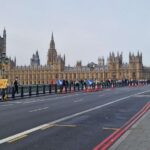
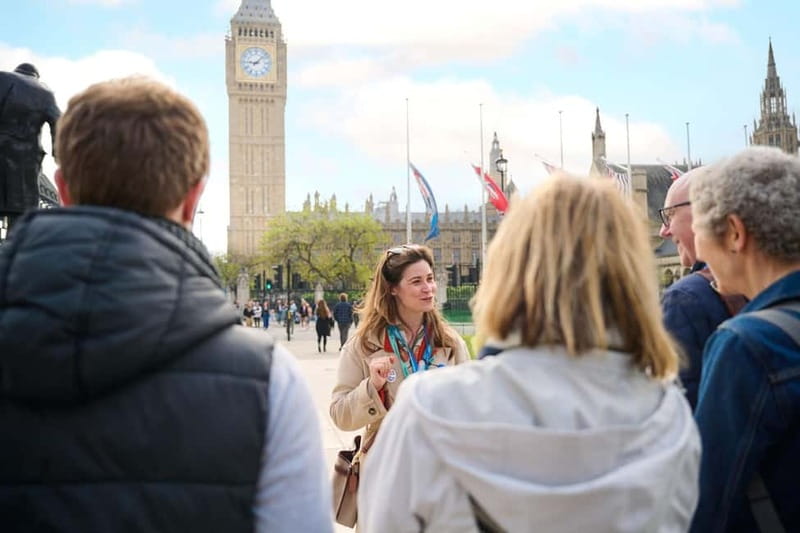
Then you reach Big Ben. This is one of the tour’s clearest “London + WWII” pairings: you hear how the clock tower survived bomb damage and became a symbol of hope. That theme matters more than you might expect. It changes how you look at familiar sights. Instead of thinking of Big Ben as a meeting point for tourists, you start noticing it as a reminder of what endured.
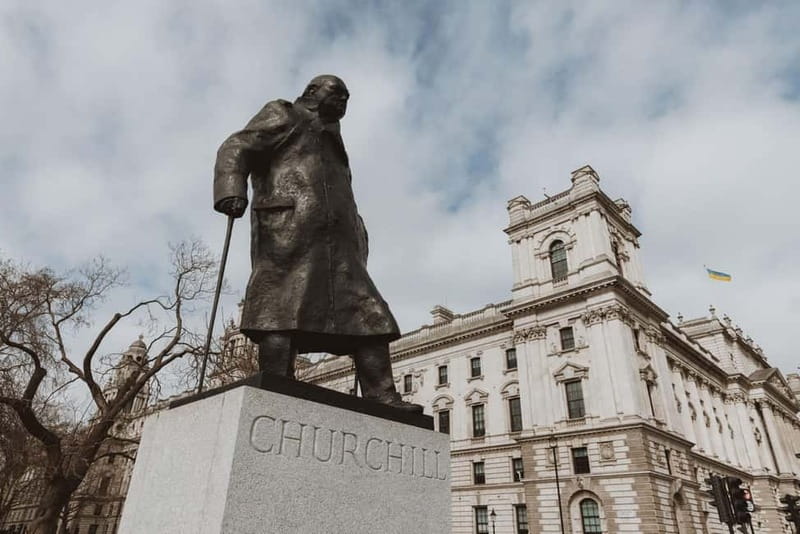
Your guide keeps the walking portion purposeful, with a short guided window at each major landmark. At Parliament Square, the focus shifts to the Houses of Parliament and the Churchill Statue. This is a good section if you like context: you’ll get stories about wartime leadership and efforts to preserve British democracy during the Blitz.
A small timing note: the guided moments here are brief by design. If you’re hoping for long explanations at each stop, this tour may feel more like guided highlights, followed by deeper self-paced time at the War Rooms.
Westminster Abbey exterior and Downing Street on wartime terms
You’ll pause at Westminster Abbey (exterior only). Even though you don’t go inside, it still fits the tour’s theme. The guide uses it to keep you anchored in the institutions and symbolism of Britain—what Churchill was defending beyond just borders.
Next comes Downing Street. You’ll have a guided visit, and the story angle is Churchill’s strategy during the war. Again, you’re not being sold on “see the door.” Instead, you get the wartime framing: decisions, pressure, and the machinery of government under attack.
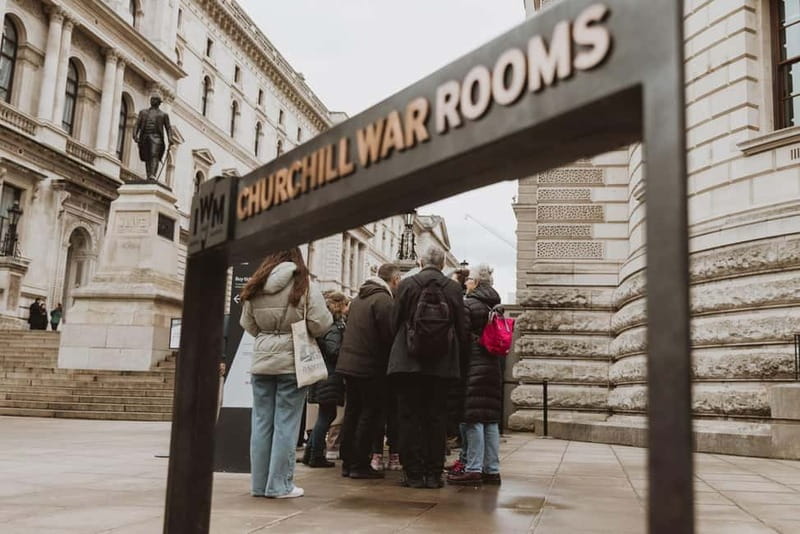
Then you move into Whitehall, lined with war-related landmarks. This stretch is where the tour starts feeling like an actual walk through decision-making space rather than a photo route. Whitehall’s buildings already feel official, but the guide helps you see why that mattered during WWII—who worked where, how messages and plans moved, and how leadership looked in practice.
Finally, you reach Horse Guards Parade at Whitehall. This is another short guided stop, and the emphasis is Churchill’s connection to this historic site. It’s the kind of detail that helps the day feel more “put together” than a typical hop-on, hop-off style outing.
What I like most here: the tour uses quick stops to keep momentum, so you’re not exhausted before the War Rooms.
Horse Guards to the Guards Memorial: respect with context
After Horse Guards Parade, you’ll visit the Guards Memorial. This stop is brief, but it serves an important purpose: it shifts the day from leadership and landmarks to the people who served.
That balance is easy to miss on many city walks. You get memorials, but not always the why. Here, the guided time helps you connect the location to WWII service and remembrance, without turning it into a lecture.
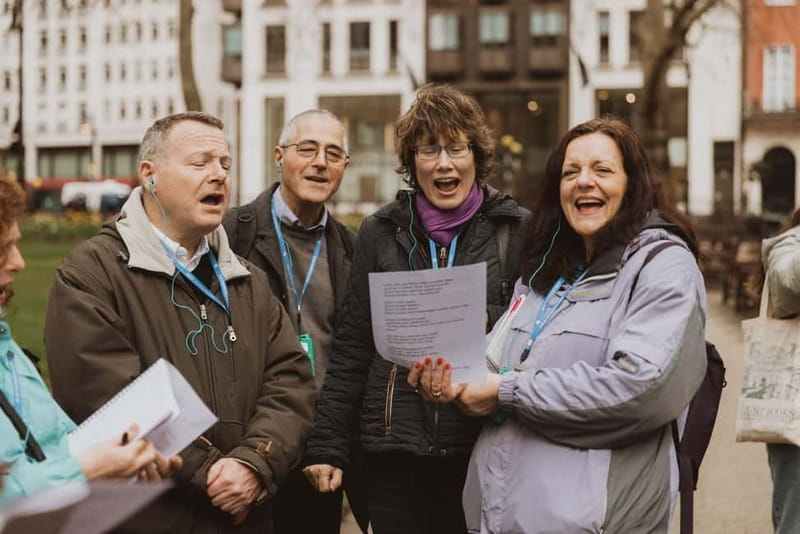
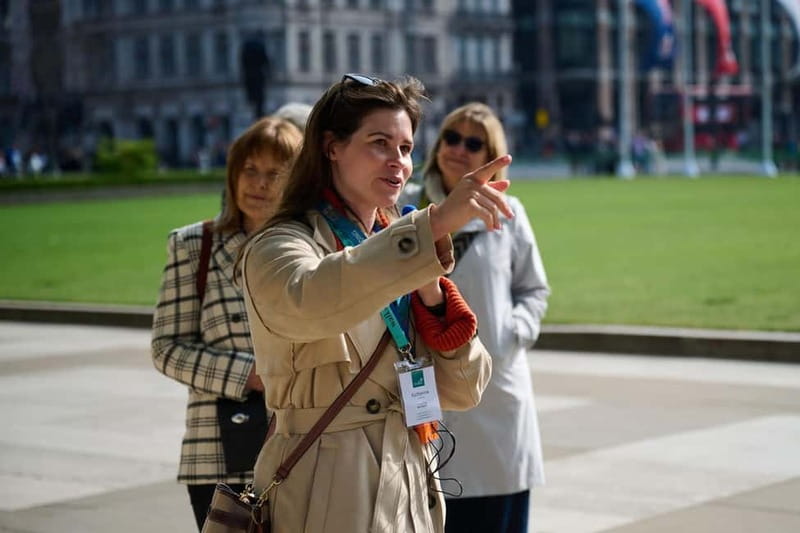
Your guide’s style can make a big difference in this section. In past tours with Walks guides, names like Kate, Peter, and Salvadore have come up for making the stories clear and engaging. Kate in particular was praised for connecting Churchill’s personal life with his achievements, which helps when you’re moving between heavy topics and well-known buildings. Peter was described as funny while answering questions. Salvadore was noted for keeping things entertaining while still tied to history.
Even with a great guide, it’s worth noting that the memorial stops are short. If you want long quiet time for reflection, you may need to add extra time on your own after the tour.
Churchill’s War Rooms: the underground part that makes everything click
Then comes the reason many people book this tour: Churchill’s War Rooms.
You’ll head to the site for a guided tour portion of about 1.5 hours. The key detail is that it’s an underground network of hidden bunkers where Churchill made crucial decisions during WWII—and it remains untouched since 1945. That “untouched” aspect changes the feel instantly. It’s not a reconstruction that feels generic. It’s designed to preserve the atmosphere of how decisions were made.
The visit also uses an audio guide, which you get as part of your pre-reserved tickets. This matters because the guided talk can’t cover every corridor and document-sized detail. The audio layer gives you room to pause, listen, and move at your own pace while you look at Churchill’s private office, the map room, and the other rooms connected to wartime decision-making.
What I like about the format: you get both types of learning.
- Human guided explanation for the big themes
- Audio help for the finer points you might miss otherwise
One consideration: Churchill War Rooms can be busy on weekends and during school holidays, and the site can be unsuitable for anyone who doesn’t like crowds. If you prefer quiet, aim for a calmer time slot when possible.
Also, all guests must pass through security. If you’re traveling with items that could trigger questions, keep it simple and travel light.



The walking route: what the timing really means
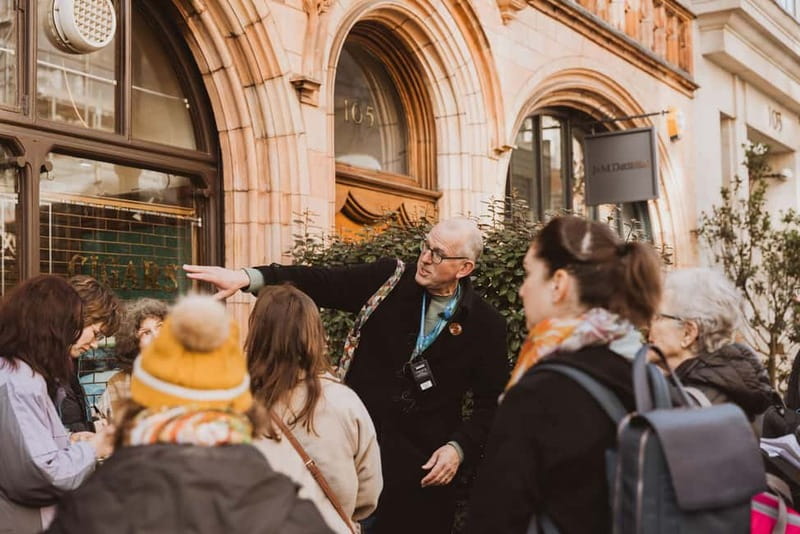
This is a three-hour experience with lots of short guided stops. That’s not a downside on its own. It’s actually the reason the tour can cover Westminster and War Rooms in one day without feeling like a full-day commitment.
Still, you should know what that pacing feels like. You’ll move from one landmark cluster to the next, usually with around 5–15 minutes of guided time per stop. The longest stretch is the War Rooms portion, and that’s where you’ll naturally slow down.
You’ll also want to plan your footwear accordingly. This is a walking tour, and you should be able to walk at a moderate pace without difficulty. Baby strollers aren’t allowed, and while the activity details say “wheelchair accessible,” the important note says it unfortunately isn’t suitable for guests with mobility impairments or with wheelchairs. If mobility is a concern, I’d treat that note as the final word.
Small-group size and guide quality: why it changes the vibe
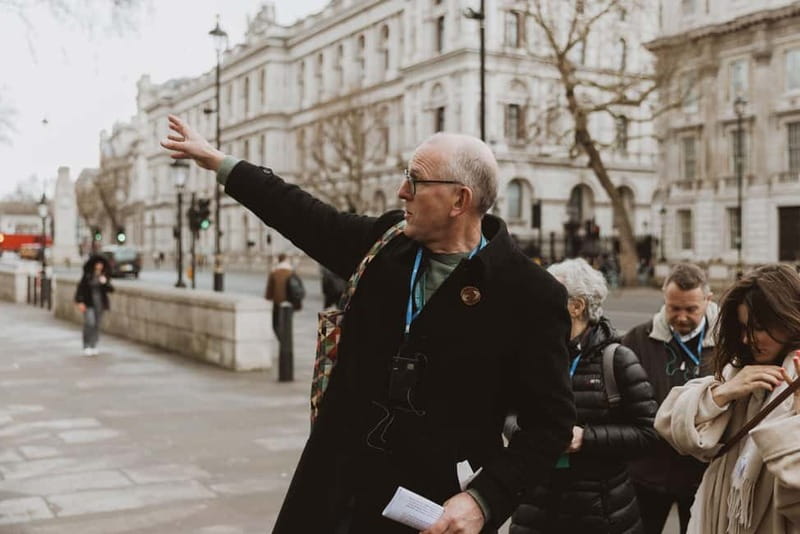
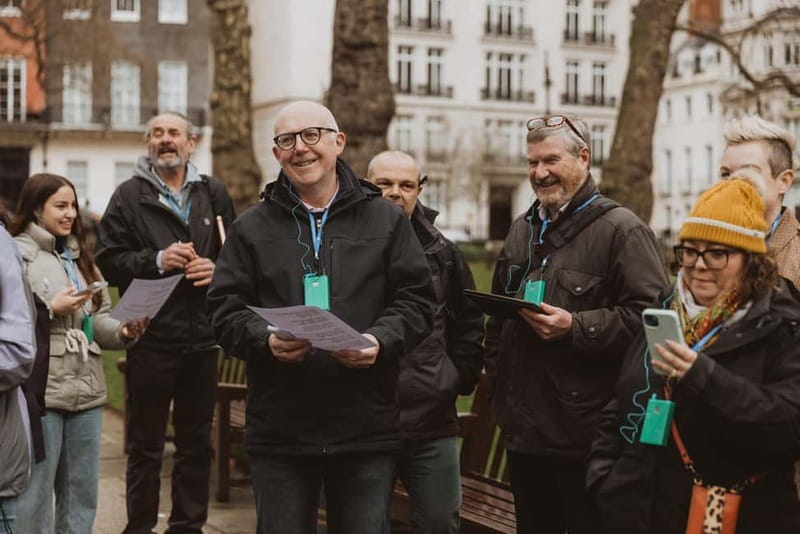
This tour caps at 15 guests max, and that group size can seriously affect how you feel during the walk. In a group that small, it’s easier to hear the guide and easier to ask questions without waiting forever.
In one set of experiences, a party ended up with only six people. That kind of smaller group can turn a good tour into a memorable one, because you’re not fighting noise or crowd pressure for the guide’s attention.
The guide is English-speaking and leads the walking portion. The War Rooms part uses the audio guide, which is a nice balance. You’re not stuck listening to one voice for the whole time, and you’re not left completely on your own in a complex underground site.
Based on the praise you’ll see for guides like Kate, Peter, and Salvadore, the best version of this tour does three things well:
- Connects Churchill’s speeches to what you see outside
- Keeps the pace lively without skipping meaning
- Answers questions instead of rushing past them
Price and value: is $106.41 worth it?
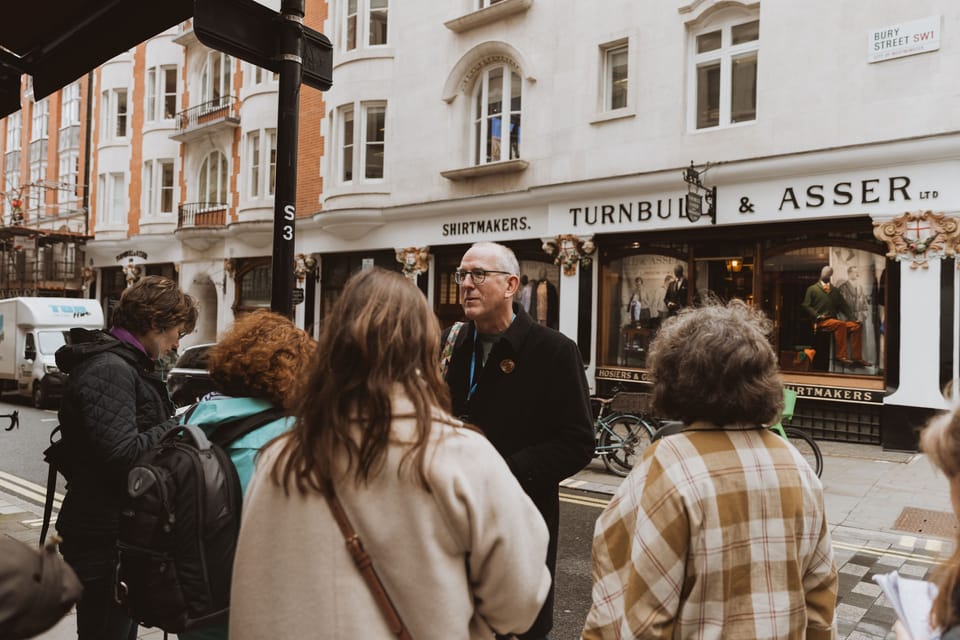
At $106.41 per person, this isn’t the cheapest London walk. But you’re paying for a mix that usually costs extra if you piece it together yourself: guided history on the street plus pre-reserved Churchill War Rooms tickets with an audio guide included, all with a small group and an English guide.
Here’s how I’d judge the value for your situation:
- If you want the War Rooms and you care about context, the reserved entry + audio guide time is the core value.
- If you’re the type who enjoys connecting famous places to a storyline, the guided route through Parliament/Whitehall is where the money feels justified.
- If you only want a quick photo loop of Big Ben and Downing Street, you may feel it’s pricey for what’s ultimately a three-hour walk with short stops.
One more value angle: guides tend to help you avoid wandering around the War Rooms without a plan. Audio guides are great, but they work best when you already understand what you’re looking at.
Who should book this Churchill WWII walking tour
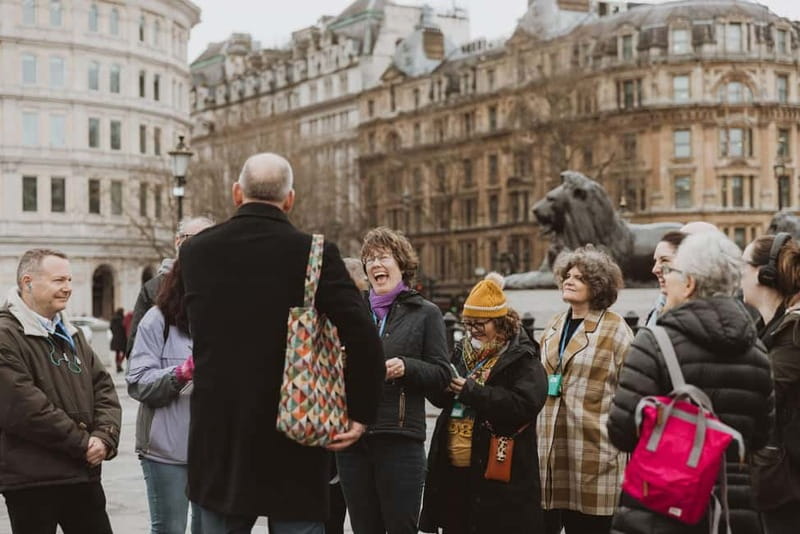
This tour fits best if you:
- Like WWII history that’s tied to real London locations
- Want a guided walking route plus time inside the War Rooms
- Prefer smaller groups and a lively but structured pace
- Enjoy a mix of politics, morale, and military context
It may not be ideal if you:
- Don’t like crowds at indoor attractions (the War Rooms can get busy)
- Struggle with walking at a moderate pace
- Need stroller access (strollers aren’t allowed)
- Have mobility needs that require step-free or stroller-friendly routing (the tour notes it isn’t suitable for wheelchair users)
If you’re traveling with kids, keep in mind the schedule and the security checks. The data doesn’t spell out a child policy, so you’ll want to assess your child’s ability to handle a three-hour walking itinerary and busy indoor time.
Should you book it? My honest decision guide
I’d book this if Churchill and WWII feel like your kind of London, and you want your day to feel organized: street stops that build the story, then an underground site where the details matter. The War Rooms portion is the main payoff, and the audio guide helps you make the most of it without losing the plot.
I’d think twice if you hate crowds. The War Rooms can get busy on weekends and school holidays, and you won’t control that once you’re there. Also, if you’re limited by walking ability, the tour isn’t presented as suitable for wheelchairs, even though one line says wheelchair accessible.
If you’re flexible on timing, try to choose a start time that avoids peak crowd patterns at the War Rooms. If you can line that up, this becomes one of the more meaningful “history with a route” options around Westminster.
FAQ
What’s the duration of the London Churchill tour with War Rooms?
It runs for about 3 hours, with starting times that vary by availability.
Where does the tour start?
The tour meets at the Royal Air Force Memorial. Arrive about 15 minutes early, and the guide will be holding a green Walks sign.
How long is the Churchill War Rooms visit?
The Churchill War Rooms portion is guided for about 1.5 hours, and you’ll also have an audio guide for the site.
What’s included in the ticket price?
You get pre-reserved tickets for the Churchill War Rooms (with an audio guide), an expert English-speaking guide for the walking tour, and a small group capped at 15 guests.
Is the tour wheelchair accessible?
The activity details mention wheelchair accessibility, but the important note says it unfortunately isn’t suitable for guests with mobility impairments or with wheelchairs.
Are strollers allowed?
No. Baby strollers aren’t allowed.
Do I need to go through security?
Yes. All guests must pass through security.