REVIEW · WESTMINSTER & BIG BEN TOURS
London: Churchill War Rooms & WW2 Westminster Private Tour
Book on GetYourGuide →Operated by Urban Saunters Ltd · Bookable on GetYourGuide
Two floors below Westminster tells WWII truth. This private walk sets the scene above, then drops you into the Churchill War Rooms where wartime decisions were made in real time.
I love how the tour frames familiar landmarks—Westminster Abbey, the Houses of Parliament area, Whitehall—through the pressure cooker of 1940. You’ll also hear how London’s bombing campaign began on September 7, 1940, with 57 consecutive nights of terror, and how that urgency fed into the Cabinet War Room and Map Room. When the guide is someone like Jeremy, the stories land fast and hold the attention of everyone, including kids.
One consideration: it runs rain or shine and you’ll be moving on foot plus going through security. There’s also no large luggage allowed into Churchill War Rooms, so bring a small day bag and comfortable clothes.
Key things you’ll get out of this tour
- Wartime Westminster walking route linking Parliament, Whitehall, and memorial space to WWII decisions
- Churchill War Rooms atmosphere in the rooms where meetings could mean victory or disaster
- Map Room details told in a way that helps you picture planning under pressure
- Real artefacts connected to Churchill’s life, including items like his cigar and bowler hat
- Human wartime perspective on what people slept, ate, and worked through below the streets
- Private pacing with a live guide who can keep young listeners focused
In This Review
- Meeting at Parliament Square and Getting WWII Context Fast
- Westminster in Wartime Mode: Parliament, Abbey, and Big Ben’s World
- The Cenotaph and Ministry of War: Learning What Symbols Meant
- 10 Downing Street and Whitehall: The Government Side of Churchill’s Story
- Going Underground at Churchill War Rooms: Cabinet War Room Atmosphere
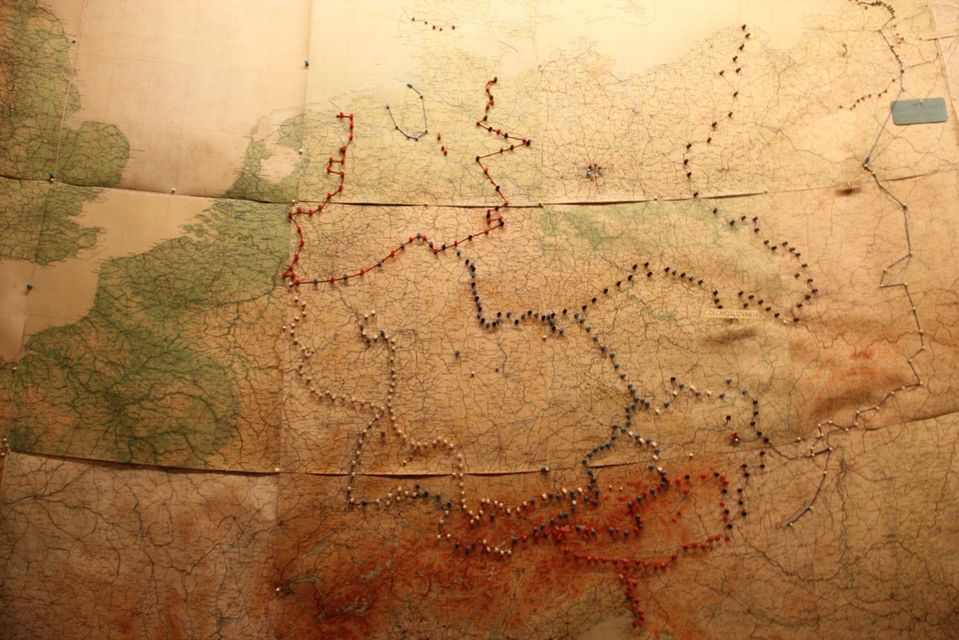
- The Map Room, Left Untouched Since 1945
- Churchill Artefacts and Daily Life Below the Streets
- How the 2.5 Hours Works on Your Feet (and Why It’s a Good Length)
- What’s Included (and What You’ll Need to Add Yourself)
- Price and Value: Is $317 Worth It?
- Who This Private Tour Fits Best
- Should You Book Churchill War Rooms & Westminster Private Tour?
- FAQ
- Where do I meet the guide?
- What’s the nearest underground station?
- How long is the tour?
- Is this tour private?
- Is entry to the Churchill War Rooms included?
- What language is the live guide?
- What should I bring?
- Is the tour rain or shine?
- Is large luggage allowed into the War Rooms?
- Is the tour suitable for mobility impairments?
- Is there free cancellation?
Meeting at Parliament Square and Getting WWII Context Fast
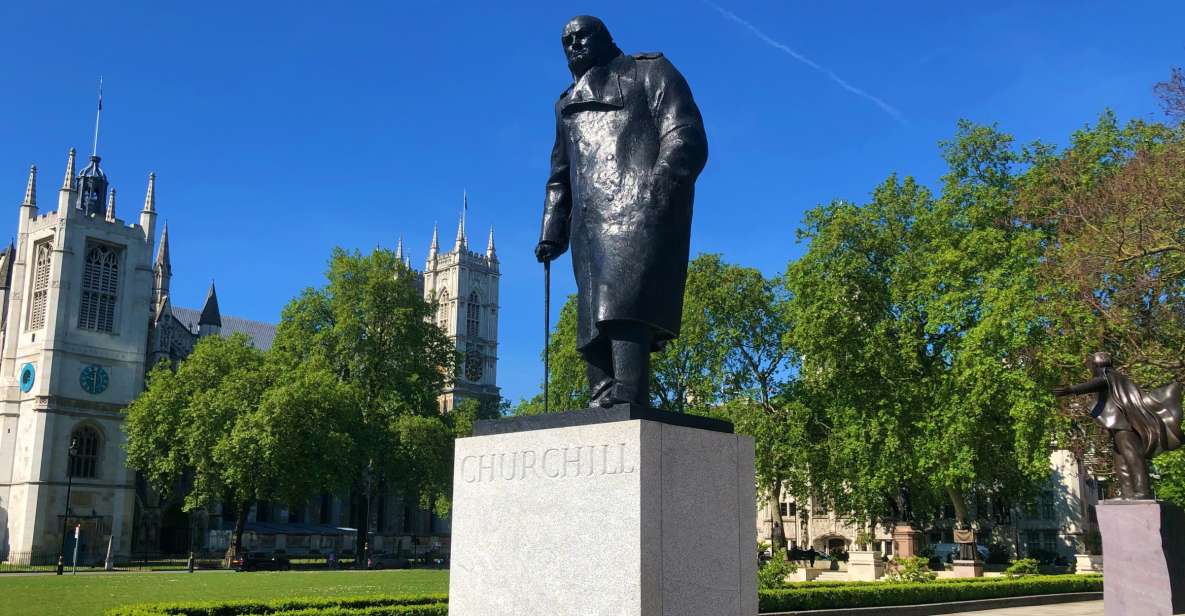
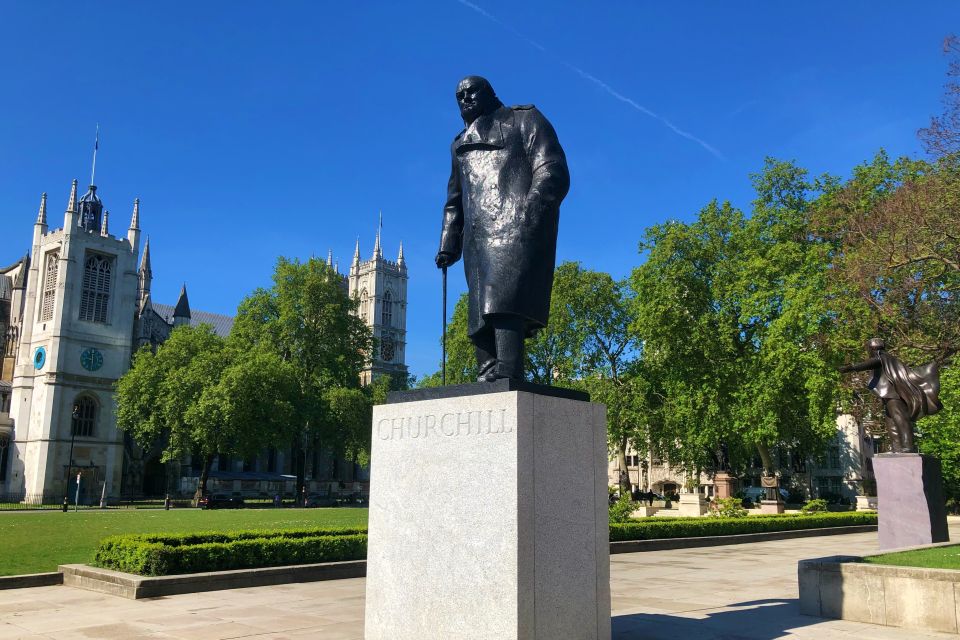
The tour starts at the Winston Churchill statue on Parliament Square, with your guide holding an Urban Saunters sign. That location matters. You’re already at the edge of government power, right where Churchill’s Britain had to make decisions quickly and stick to them.
In the first minutes, I like that you’re not thrown straight into museum mode. Instead, you get the “why” before the “what.” The guide uses the surrounding buildings—Houses of Parliament, Westminster Abbey, and Whitehall—to sketch how Britain’s leadership and public life connected during the Blitz. It’s a smart way to get oriented, especially if this is your first trip to London.
You’re also set up for a smoother visit underground. Once you’ve heard how the war escalated in 1940 and why urgency mattered, the War Rooms don’t feel like a theme park. They feel like a functioning system that people relied on.
Westminster in Wartime Mode: Parliament, Abbey, and Big Ben’s World
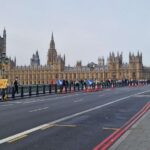
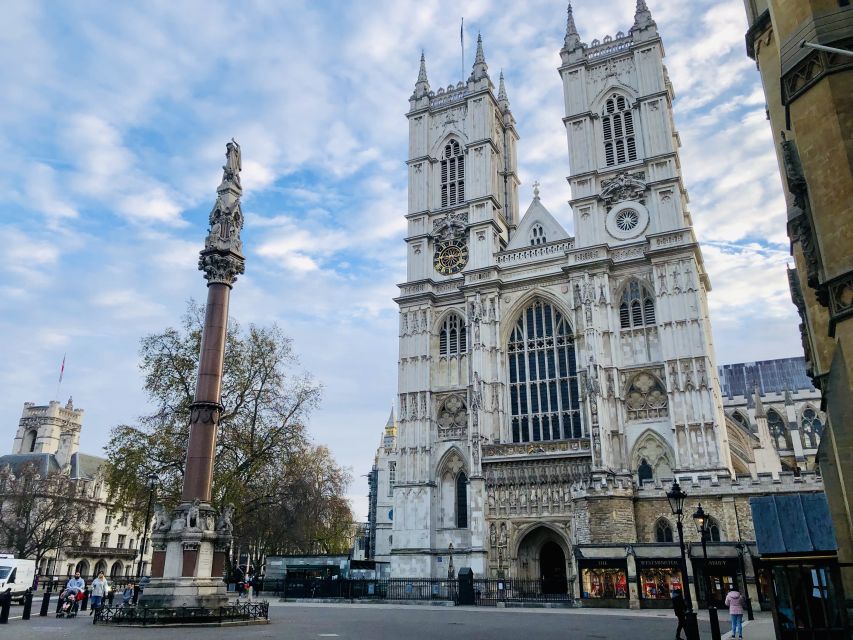
Walking Westminster with WWII in mind changes the whole experience. The Houses of Parliament aren’t just pretty stone. They become part of a working political engine that had to keep going while London was under attack.
The same goes for the Westminster Abbey area. It’s famous for royal ceremony today, but in wartime, these places carry a different weight—symbolic, public, and tied to the nation’s identity. On this tour, your guide connects those meanings to the pressure of 1940 Britain.
You’ll also learn how the broader Westminster stretch connects to the bombing campaign and government response. It helps that the tour is private. You can ask questions and get answers in plain English, without waiting for a big group to move forward.
You can also read our reviews of more private tours in London
The Cenotaph and Ministry of War: Learning What Symbols Meant
The Cenotaph is one of those places that can feel like a quick photo stop—unless someone explains why it’s powerful. On this tour, it’s treated as a WWII-related landmark, connected to how Britain processed loss and resolve during the war years.
Then you move toward the Ministry of War area. Even if you’re not a government-history person, the guide helps you see it as a working location in a larger chain of command. The value here is that you start thinking in systems, not just in speeches. You’re learning how information, planning, and decisions worked under constant threat.
This is where the tour becomes more than sightseeing. You’re building a mental model of wartime Britain: attacks happen, leadership must respond, messages must travel, and plans must be made with incomplete information.
10 Downing Street and Whitehall: The Government Side of Churchill’s Story
Whitehall is where you feel the gravity of governance. It’s easy to look up at buildings and forget that governments are made of people making tough calls. With your guide’s WWII lens, Whitehall starts to feel like a command corridor.
Part of what makes this section work is the way the tour connects the famous names and addresses to the wartime reality happening just beyond street level. You’re not just hearing about Churchill as a figurehead. You’re getting the perspective of how leadership faced chaos daily.
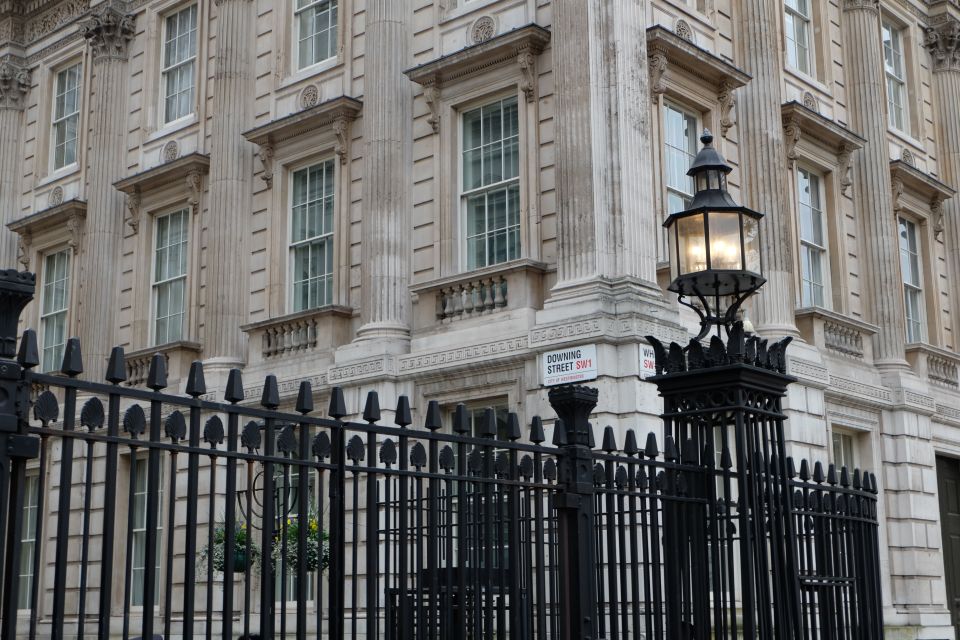
And yes, 10 Downing Street is a photo magnet. But on this tour, it’s also a conversation starter. Your guide ties it into what was going on in the country at the time, instead of treating it as a background prop.
Going Underground at Churchill War Rooms: Cabinet War Room Atmosphere
After the Westminster walking portion, you descend below the streets of Whitehall to Churchill War Rooms. This is the heart of the experience, and it’s where the guide’s storytelling really pays off.
You’ll roam top-secret corridors and spend time in the areas that represent high-stakes wartime governance—especially the Cabinet War Room, where decisions could lead to victory or disaster. The atmosphere matters. The rooms are preserved in a way that helps you picture leaders working amid fear and uncertainty.
What I like is that you’re not just being shown objects. You’re being taught how people would have thought and acted inside this space. That’s the difference between learning facts and understanding pressure.
Also, the tour includes your guide time inside the War Rooms, not just a ticket and a “good luck.” That means you can ask questions on the spot, and the guide can point out details you might otherwise miss.
The Map Room, Left Untouched Since 1945
The Map Room is where the tour turns planning into a physical thing you can imagine. Your guide explains the wartime “charting the course of the war” idea in a way that’s easier to grasp once you’re standing in the room.
The key detail here is that the Map Room is described as untouched since 1945. That preservation helps you feel the connection between wartime urgency and the long pause that came after. Even if you already know WWII history, standing in a space that’s presented like a snapshot changes your understanding.
This is one of the most praised parts of the experience. It’s also a great stop if you want more than general storytelling—you’ll get into what the room represented: tracking events, weighing options, and turning intelligence into action.




Churchill Artefacts and Daily Life Below the Streets
The Churchill War Rooms don’t just show a bunker. They show a person, and they show a workplace.
You’ll learn about Churchill through artefacts associated with his life—items like a baby rattle, a cigar, and the bowler hat he was never seen without. That kind of detail does more than add trivia. It bridges “history book Churchill” with a more human image, which helps the rest of the tour stick in your head.
Then comes the daily-life side: what it was like for the men and women who slept, ate, and worked in the bunkers while bombs rained overhead. This part is especially valuable because it shifts the focus from big decisions to ordinary survival—night after night, with routines squeezed under threat.
If you want a WWII story that includes civilians and everyday workers, this is where you feel it most clearly.
And you’ll hear the mindset of Churchill captured in a line like It is the time to dare and endure. It sounds motivational on paper, but in these rooms it reads like a command people had to live.
How the 2.5 Hours Works on Your Feet (and Why It’s a Good Length)
At 2.5 hours, this tour hits a sweet spot. Long enough to walk key Westminster sites and still give you meaningful time underground. Short enough that you won’t feel like you’ve been stuck in history for half a day.
Still, it’s not a sit-and-smile experience. You’ll be on foot, and you’ll need comfortable shoes. The War Rooms portion also includes security screening and movement through indoor spaces.
The “rain or shine” note matters too. London weather is unpredictable, and the tour continues regardless. If you show up unprepared, you’ll feel it in your feet and mood.
If you like structured tours, this timing works well. If you’re the type who needs long breaks and slow pacing, you might find the schedule a bit tight—especially if you plan to linger for extra photos after.
What’s Included (and What You’ll Need to Add Yourself)
This tour includes:
- Private walking tour of Westminster
- Live guide experience inside Churchill War Rooms
- Tickets and entry reservations to Churchill War Rooms
What it does not include:
- Food and drinks
- Hotel pickup and drop-off
That’s important for value and planning. You’ll want to handle your own meals and water, especially if your stop overlaps a typical lunch window. And since there’s no hotel pickup, you’ll be using public transport or walking to the meeting point.
Practical tip: plan to come with a small bag. There’s no large luggage allowed into Churchill War Rooms, and security is part of the experience. A compact daypack beats wrestling with bulky items.
Price and Value: Is $317 Worth It?
At $317 per person, this isn’t a budget activity. But it does include two major things that usually cost extra in London: a private guide and reserved entry to Churchill War Rooms, with guided time inside.
So the value depends on your travel style:
- If you’re going for a deeper experience than a self-guided museum visit, the private guide time is the main reason it can be worth it. The War Rooms are impressive, but they become far more meaningful when someone ties rooms to wartime decisions and daily survival.
- If you’re comparing against two separate tickets plus a generic walking tour, the bundling helps. You’re essentially paying for a focused WWII route that connects the surface story of Westminster to the underground reality.
- If you’re traveling solo, it may feel steep. If you’re traveling with friends or family, it can feel more reasonable because you’re not paying for multiple separate activities.
Also, the guide quality really matters here. The experience is frequently highlighted by the standout storytelling of a guide named Jeremy, including his ability to keep the attention of an eight-year-old and a 13-year-old. That’s not a small point. It means you’re paying for communication, not just access.
Who This Private Tour Fits Best
This tour is a good match if you:
- Want Churchill War Rooms to feel like a living story, not a set of displays
- Enjoy WWII history but also want it grounded in everyday life below street level
- Prefer a route that connects Westminster landmarks to wartime decisions
- Want a guide who can explain clearly and keep a mixed group engaged
It’s not a good match if you have mobility impairments. The tour is not suitable for that. Plan for walking and underground movement, plus the security process.
If you’re traveling with kids, this one can work well because the guide style is built to hold attention across ages.
Should You Book Churchill War Rooms & Westminster Private Tour?
Book it if you want the shortcut to understanding WWII pressure from both angles: the government world above and the bunker world below. The private format is a big part of why it’s effective. You’re not just looking at famous buildings—you’re learning how decisions happened under bombardment, and what it cost in daily life.
Skip it if you want a casual “wander and photos” day. This is guided, structured, and built around security and indoor exploration. Also, if mobility is an issue, you’ll need another option.
If you’re curious, show up with comfortable shoes, keep your luggage minimal, and bring your interest in how history worked when it mattered most. This tour turns a day in Westminster into a WWII timeline you can walk and stand inside.
FAQ
Where do I meet the guide?
Meet your guide at the Winston Churchill statue on Parliament Square. The guide will be showing an Urban Saunters tour sign.
What’s the nearest underground station?
The nearest underground station is Westminster.
How long is the tour?
The tour lasts 2.5 hours.
Is this tour private?
Yes, it’s a private group experience.
Is entry to the Churchill War Rooms included?
Yes. Tickets and entry reservations to the Churchill War Rooms are included.
What language is the live guide?
The live tour guide experience is in English.
What should I bring?
Wear comfortable shoes and comfortable clothes.
Is the tour rain or shine?
Yes, the tour takes place rain or shine.
Is large luggage allowed into the War Rooms?
No. Large luggage or large bags are not allowed into Churchill War Rooms.
Is the tour suitable for mobility impairments?
No. This tour is not suitable for people with mobility impairments.
Is there free cancellation?
Yes. You can cancel up to 24 hours in advance for a full refund.