REVIEW · WALKING TOURS
London: Churchill and World War 2 Walking Tour in London
Book on GetYourGuide →Operated by See The Sights Tours · Bookable on GetYourGuide
Politics meets survival history. This 150-minute Churchill and World War 2 walking tour gives you a tight route through decision-making streets and memorial spaces, including Downing Street and the Battle of Britain memorial. I like that it connects famous landmarks to what was happening during wartime, without needing a museum ticket to start understanding the stakes.
Two things I especially like: you get to stand near the political center of wartime Britain at Downing Street, and you also get to slow down for remembrance stops like the Cenotaph and the Women of World War II memorial. One possible drawback: with a lot of major stops packed into 150 minutes, the flow can feel a bit jumpy if you want a perfectly linear story from start to finish.
If you’re in London and you want Churchill’s London—politics, air war, and public grief—this is a sensible, low-cost way to do it on foot.
In This Review
- Key things to know before you go
- Why a Churchill and World War 2 walk in London makes sense
- Embankment Station start: get your bearings fast (and don’t bring baggage)
- Downing Street and the wartime decision corridor (Downing Street → Ministry of Defence → Cabinet Office)
- Cenotaph and Women of World War II memorial: remembrance with purpose
- HM Treasury, Churchill’s statue, Houses of Parliament, and Big Ben
- St Margaret’s Church and the Churchill War Rooms finish (exterior only)
- Churchill’s favourite pub: the leader behind the leader
- Price and value: what $18 buys you in real terms
- What to wear, how to pace it, and who should go
- Should you book this London Churchill and WWII walking tour?
- FAQ
- Where does the tour start?
- What time length is the tour?
- What does the tour include?
- Is Churchill War Rooms entry included?
- How much does the tour cost?
- Is the tour suitable for wheelchair users or mobility impairments?
- Are luggage or large bags allowed?
Key things to know before you go
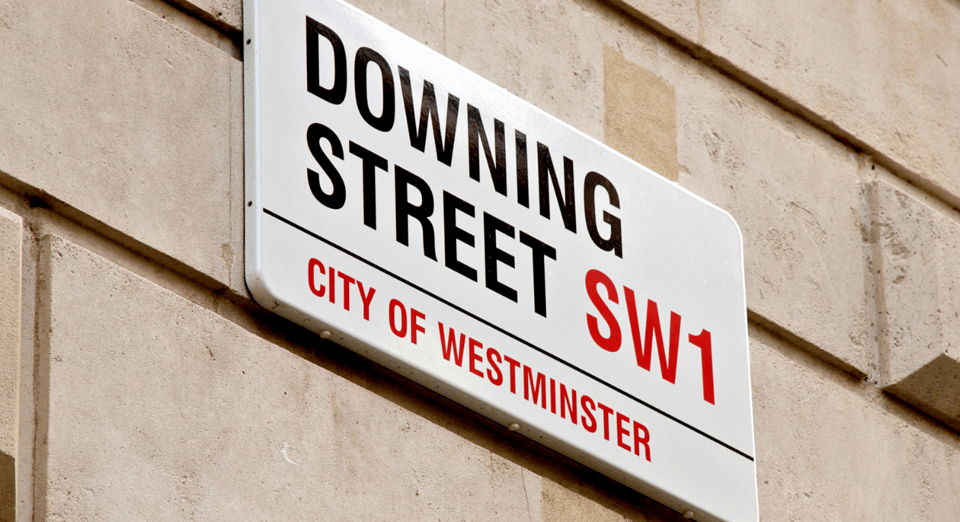
- Downing Street to government buildings: you’ll pass the places tied to wartime command and key decision-making
- Battle of Britain memorial stop: a focused moment for the people who defended Britain from invasion
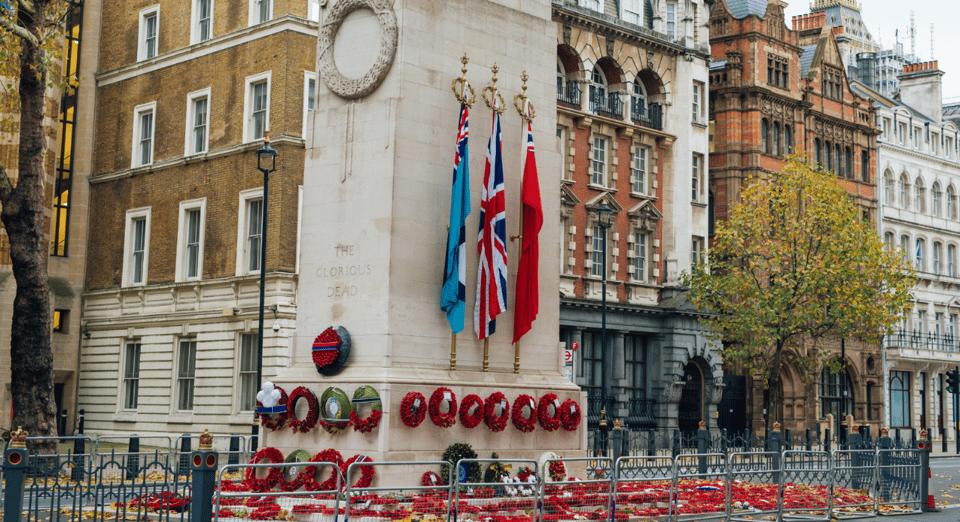
- Cenotaph + Women of World War II memorial: remembrance stops that broaden who the war history includes
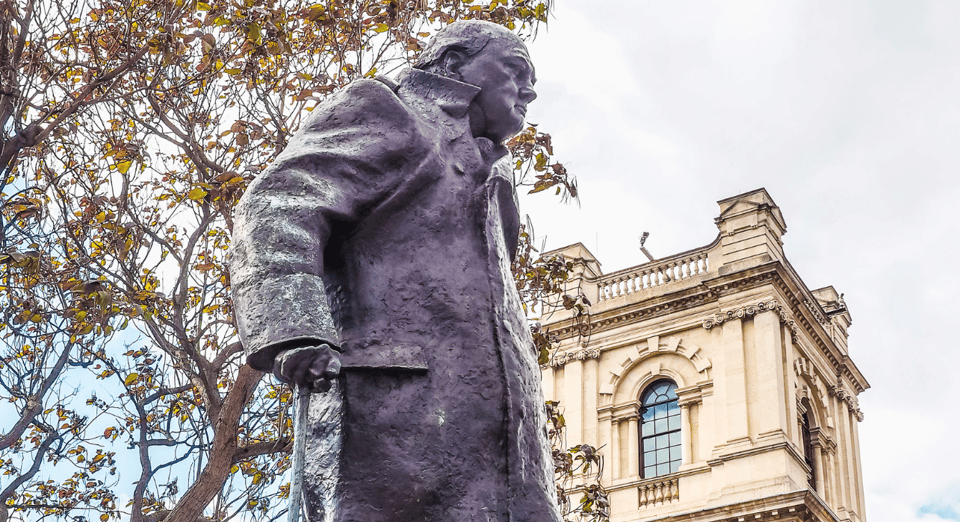
- Parliament, Big Ben, and Churchill’s statue: you’ll see the public face of power from street level
- St Margaret’s Church: a personal Churchill moment tied to his marriage
- Churchill War Rooms at the end: exterior viewing only, with a chance to add interior tickets later
Why a Churchill and World War 2 walk in London makes sense
A guided walking tour is a smart match for a subject like WWII London, because so much of it sits right in plain sight. You’re not just looking at photo backdrops—you’re moving through the same zones where government, defense planning, and public messaging all overlapped.
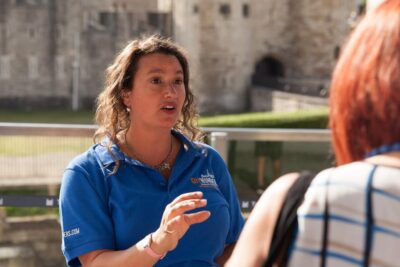
This one lasts about 150 minutes, which is long enough to hit multiple major sites, but short enough that you can still do other London plans the same day. The guide work matters here. One guide named Adam is specifically called out for connecting Churchill’s personal story to the wider events leading into World War II and shaping wartime decisions. Even if your guide isn’t Adam, the format is clearly built around explanation, not just sightseeing.
Price helps too. At $18 per person for a live guided walk, you’re paying for interpretation and a practical route through major landmarks, not for entry fees. The main “watch out” is that Churchill War Rooms entry is not included, so treat the end as an exterior look, not a full bunker visit.
You can also read our reviews of more walking tours in London



Embankment Station start: get your bearings fast (and don’t bring baggage)
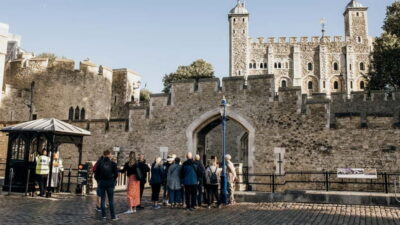
The tour starts at Embankment Station, specifically at the Embankment Pier Exit. You’ll look for a tour guide holding a yellow umbrella. That’s a small detail, but it saves time—London stations can be confusing when you’re trying to meet up quickly.
One more practical note: no luggage or large bags are allowed. That matters because WWII London stops are mostly outdoors and you’ll want space to move. Also, the tour is not suitable for wheelchair users or people with low level of fitness. It’s a walking tour first, and the route includes multiple stops along busy city streets.
If you want the experience to feel coherent (not frantic), show up with comfortable walking shoes and plan to keep a steady pace. This is the kind of tour where your timing affects the whole group’s flow.
Downing Street and the wartime decision corridor (Downing Street → Ministry of Defence → Cabinet Office)
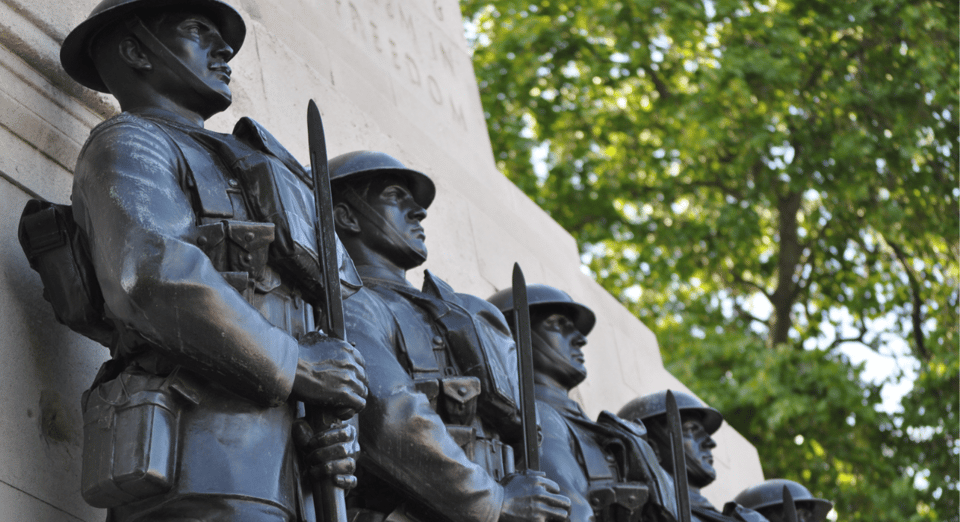
The walk gets serious right away. You’ll head from the Embankment area to 10 Downing Street, described as the centre of British political power and the wartime headquarters tied to Churchill. Seeing it from street level is the point here: it’s not a distant landmark. It’s part of the daily city, which makes the wartime context feel more immediate.
From there, you continue into the cluster of government and defense spaces. You’ll see the Ministry of Defence, where key military decisions were made that shaped the course of history. Next up is the Cabinet Office, another political anchor tied to how decisions were formed and communicated.
What you should take away from this stretch: Churchill’s influence wasn’t only speeches and headlines. It was also about the machinery of government—planning, coordination, and the pressure of making calls under threat.
A quick reality check: this isn’t a slow “point-by-point” history lecture. It’s an in-the-street guided route through high-importance locations. If you prefer a strictly structured timeline, it may feel a little less organized than you’d like, because the story has to travel with the city.
Cenotaph and Women of World War II memorial: remembrance with purpose
Then the tone shifts in a good way. You’ll reach the Cenotaph, described as Britain’s most important war memorial. This is the moment where the tour reminds you that WWII history isn’t only tactics and leadership—it’s also loss, public mourning, and how a nation remembers.
After the Cenotaph, you’ll visit the Women of World War II memorial, which honours the vital contributions women made during the conflict. This stop is valuable because it nudges the narrative beyond the usual shortlist of wartime roles. You’ll be standing in a memorial space that insists women belong in the story, not as an afterthought.
Why these two stops matter on the same walk: political leadership and military planning sit on one side of the war story, and human cost sits on the other. Putting them close together helps you feel the contrast—what decision-makers faced, and what it meant for the people who endured the consequences.
If you’re the type who likes to take a minute, these are good stops to slow down. You don’t need to rush to keep up—this part is about attention, not speed.
HM Treasury, Churchill’s statue, Houses of Parliament, and Big Ben
Next comes the iconic London stretch. You’ll see Her Majesty’s Treasury, another key government building tied to the wartime state’s operations. Then the route moves toward the famous civic center where Churchill is represented in public memory.
You’ll visit the Winston Churchill statue—the one that overlooks Big Ben and the Houses of Parliament. That sightline is exactly why this tour works for first-time visitors who want big-name landmarks, but also want them explained. This isn’t just posing with Parliament in the background. You’re learning how public power and war leadership occupy the same street-level view.
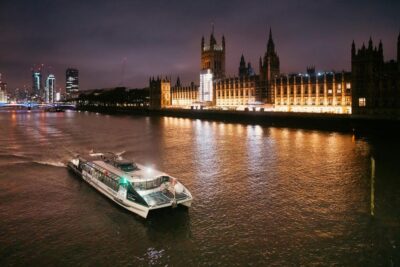
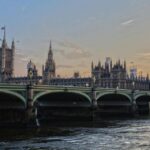
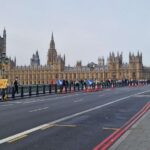
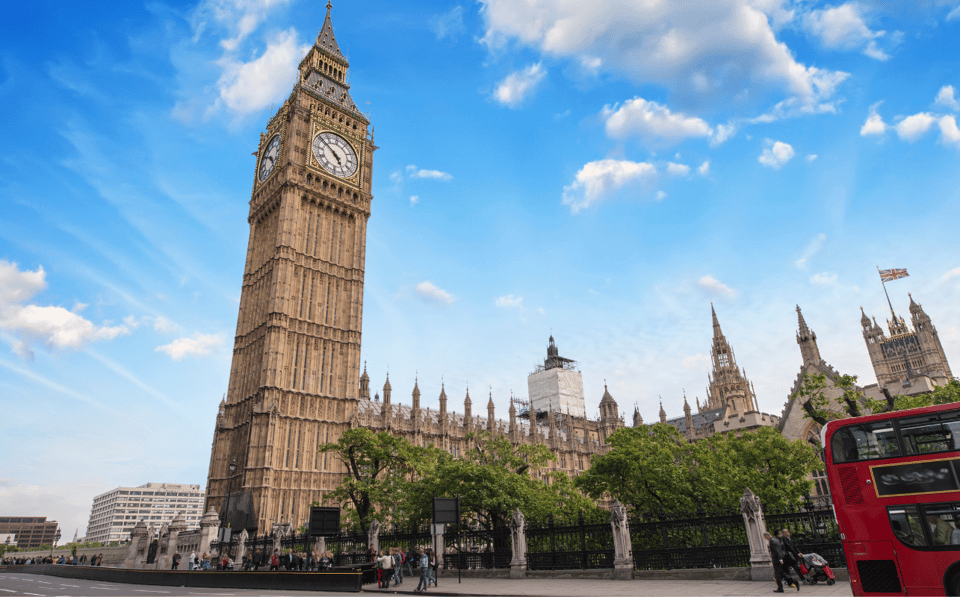
From there you’ll continue to the Houses of Parliament and then to Big Ben. These are world-famous sights, so the advantage isn’t novelty—it’s context. A guide helps you connect what you’re seeing with wartime decision-making and how Churchill’s presence remains part of the city’s political identity.
The only consideration here is crowding. These are popular photography zones. You’ll likely spend time standing and looking rather than moving quickly, so don’t plan to sprint to your next stop the instant you finish this section. Let the group take its time and you’ll get more out of the explanations.




St Margaret’s Church and the Churchill War Rooms finish (exterior only)
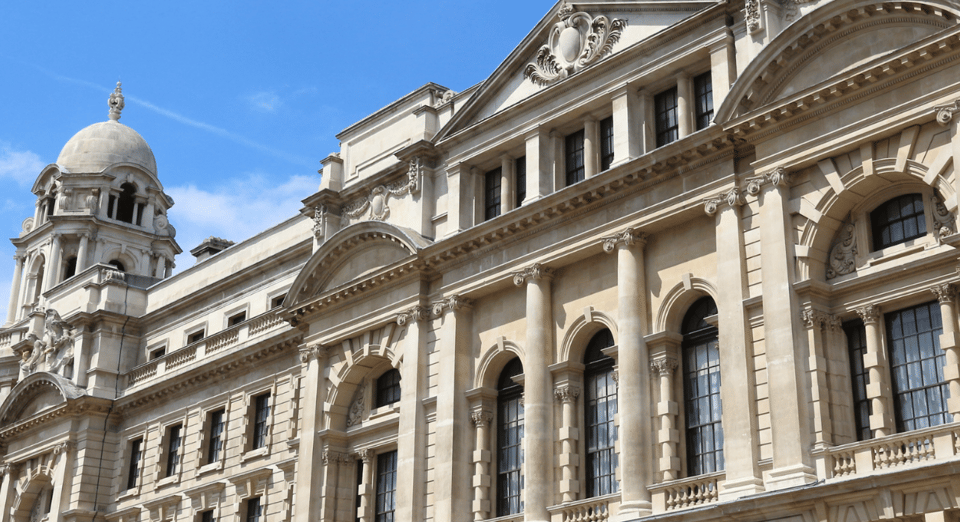
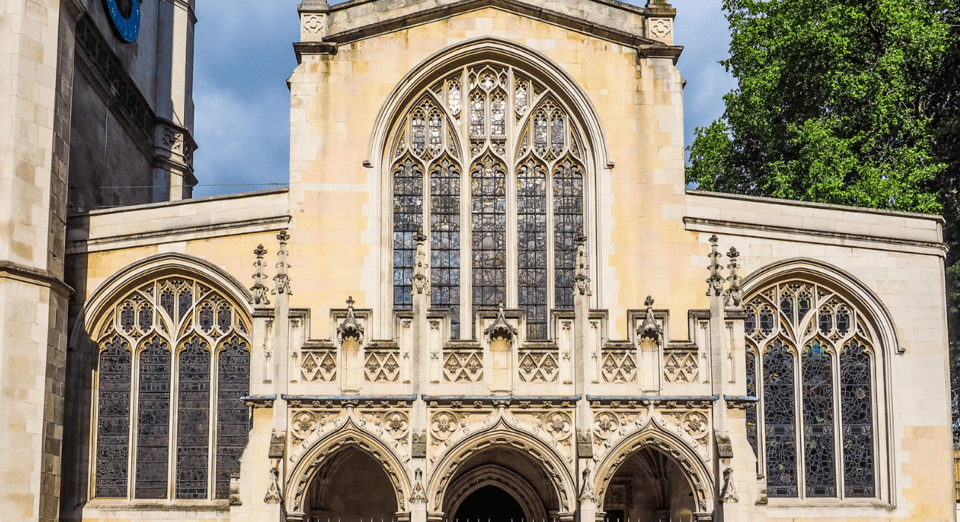
One of the most memorable parts of the whole route is also the most human. You’ll visit St Margaret’s Church, the place where Winston Churchill married Clementine Hozier. It’s a smaller, more intimate counterpoint to the big government buildings nearby. The war story is huge, but the person story matters too—and this is where the tour gives it room.
After that, you finish at the Churchill War Rooms, with exterior only viewing. The tour notes that entry isn’t included, so think of the finish as a launchpad: you’ll leave knowing what the War Rooms represent, and you can decide whether you want to add the interior ticket separately.
This closing section is valuable even without entry because you get to end on Churchill’s wartime base of operations conceptually. The underground bunker idea is introduced, and you get a clear sense of why the War Rooms are a must-visit later—if you want the full experience.
Churchill’s favourite pub: the leader behind the leader
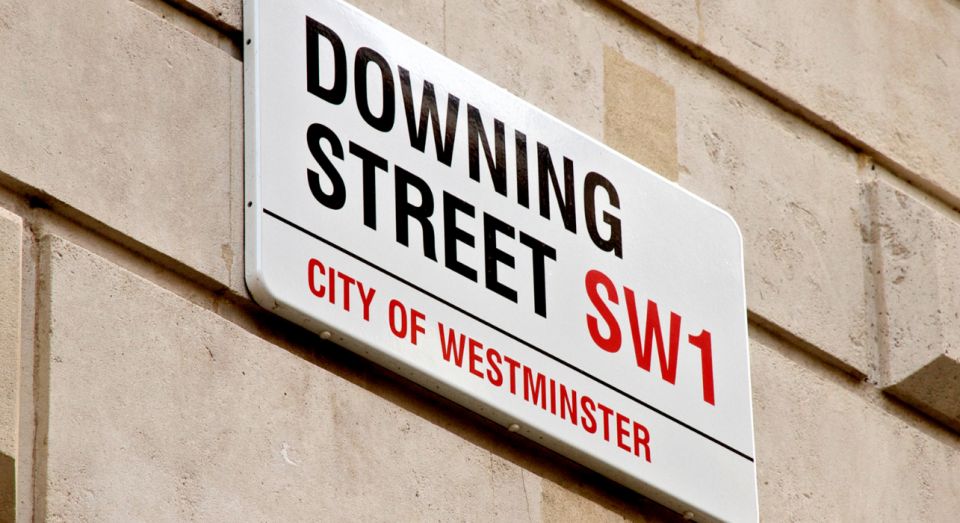
Along the walk, you’ll also pass Churchill’s favourite pub. The point isn’t to turn this into a drinking tour. It’s to remember that Churchill wasn’t only an emblem of wartime authority. He also had habits and preferences tied to London’s traditions.
For me, those small “personal texture” details are what prevent a WWII tour from becoming a list of buildings. They help you picture the human being inside the political role.
Price and value: what $18 buys you in real terms
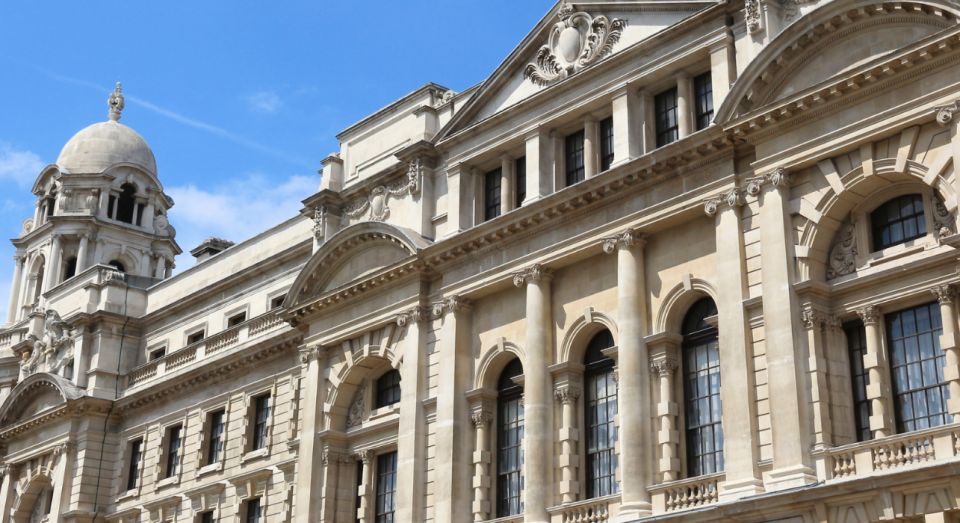
At $18 per person for about 150 minutes, you’re getting a guided route through major landmarks tied to Churchill and WWII themes—Downing Street, the Ministry of Defence, Cabinet Office, the Cenotaph, the Women of World War II memorial, Churchill’s statue, the Houses of Parliament, Big Ben, St Margaret’s Church, and a finish near the Churchill War Rooms.
Because War Rooms entry is not included, you should mentally separate “guided exterior storytelling” from “museum-grade interior experience.” If you want the full bunker visit, you’ll likely want to plan a follow-up with tickets later. But for a budget-friendly first pass through the story on foot, the guided value is clear: you’re paying for navigation, timing, and interpretation.
Also, there’s a practical decision-making benefit. A good guide helps you avoid the common “I saw the buildings, but I didn’t understand the connections” problem. One of the stronger guide notes shared for this tour is how the guide ties Churchill’s life and the buildup to WWII to what’s around you. That’s exactly what turns sightseeing into learning.
One more signal: the tour has an average rating of 4.6 based on a small number of verified bookings. That doesn’t guarantee perfection, but it does suggest the format works for most people who want this theme in a compact walk.
What to wear, how to pace it, and who should go
This is a straightforward walking tour, so the biggest factor is comfort. You’re better off with shoes that handle uneven pavement and frequent stopping. Bring water if you need it (there’s no mention of breaks or refreshments), and keep your plans flexible around where the guide spends time at each stop.
Fitness matters. It’s not suitable for wheelchair users and isn’t aimed at people with low fitness. If you can handle walking in London for about 2.5 hours with multiple photo-and-explanation pauses, you’ll probably be fine.
Who it suits best:
- You want Churchill + WWII London without the heavy museum schedule
- You like guided context at major landmarks rather than solo wandering
- You want both wartime leadership locations and remembrance sites in one route
- You care about including women’s WWII contributions, not only battlefield roles
Should you book this London Churchill and WWII walking tour?
I’d book it if you want a high-value, guided introduction to Churchill’s London—especially if you like the mix of politics, memorials, and a few “personal” stops like St Margaret’s Church. The $18 price makes it easy to try, and the route hits the kind of landmarks that are hard to connect on your own.
Skip it (or pair it differently) if you strongly prefer a perfectly structured, strictly chronological lecture, since the pacing can feel a bit random when you’ve got many headline sites in one session. Also, if you’re hoping for an included underground bunker visit, remember Churchill War Rooms entry isn’t included, so you’d need separate planning for that part.
If you’re weighing it against other London activities, think of this tour as your story framework. It sets you up to understand what you’ll see later around the city—whether that’s the War Rooms interior, another museum, or simply the next day’s walking.
FAQ
Where does the tour start?
The tour starts at Embankment Station, at the Embankment Pier Exit.
What time length is the tour?
The duration is 150 minutes.
What does the tour include?
It’s a guided walking tour that includes stops at Downing Street, the Houses of Parliament and Big Ben viewpoints, the Winston Churchill statue, the Battle of Britain monument, the Women of World War II memorial, the Cenotaph, the Ministry of Defence, Saint Margaret’s Church, HM Treasury, and Churchill War Rooms (exterior only), plus a professional tour guide.
Is Churchill War Rooms entry included?
No. Churchill War Rooms entry tickets are not included, and you only see the War Rooms from the exterior.
How much does the tour cost?
The price is $18 per person.
Is the tour suitable for wheelchair users or mobility impairments?
No. The tour is not suitable for wheelchair users or people with mobility impairments.
Are luggage or large bags allowed?
No. Luggage or large bags are not allowed.