REVIEW · JACK THE RIPPER TOURS
London: Beyond Jack the Ripper Serial Killers Walking Tour
Book on GetYourGuide →Operated by City Secrets Walks · Bookable on GetYourGuide
London nights can feel a lot colder. This tour is interesting because it frames famous cases through psychology-first stories and cinematic storytelling from guide Declan, with a clear focus on victims and real behavior.
One possible drawback: the subject is scary, shocking, and disturbing, and the walk is about 2 miles—so it’s not for people who get rattled easily or who struggle with walking.
In This Review
- Key things you’ll notice on the walk
- Barbican start: where the tour sets its rules for your brain
- The cases covered: from Jack the Ripper to the surprise tenth killer
- Psychology-first storytelling: why it feels different from most true-crime walks
- “Cinematic” doesn’t mean cheesy: what Declan’s style does for you
- The walking route feel: Barbican to Fleet Street to Holborn
- Fleet Street and the press angle: why that stop isn’t random
- Profiling exercises and photo stops: the learning part that sticks
- Who should book this (and who should skip)
- Practicalities: what to wear, and why “arrive early” matters here
- Price and value: how $27 buys a lot more than a story
- Should you book the London: Beyond Jack the Ripper Serial Killers Walking Tour?
- FAQ
- Where is the meeting point?
- How long is the tour, and how far do you walk?
- What language is the tour in?
- Is the tour wheelchair accessible?
- What should I bring?
- What topics does the tour cover?
- Who can’t join, and what rules apply?
- Can I get a refund or pay later?
Key things you’ll notice on the walk
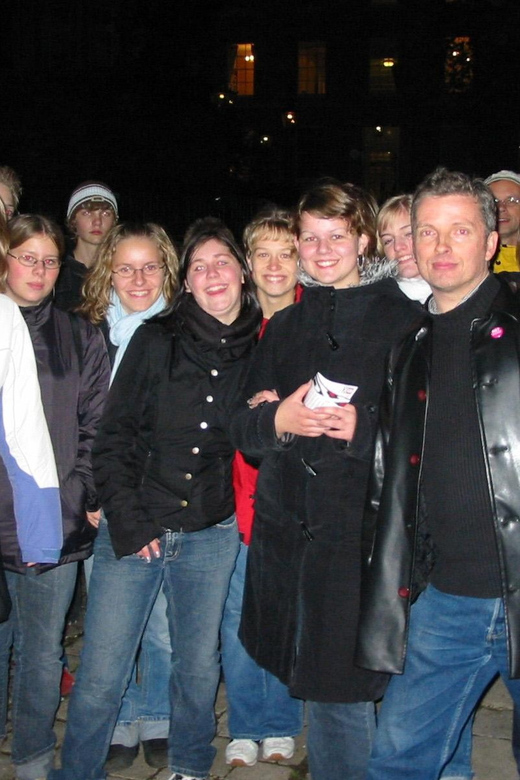
- Psychology over gore: expect behavior, patterns, and profiling-style prompts, not graphic details.
- A lineup of real cases: Jack the Ripper, Peter Sutcliffe, Dennis Nilsen, Joanne Dennehy, John Christie, Thomas Neil Cream, and more—including a surprise tenth killer.
- Cinematic, interactive delivery: you’re guided through stops with theatrical flair and time for questions.
- Real-world London streets: the route runs from Barbican to Holborn, with pauses at viewpoints and multiple off-the-main-street turns.
- Fleet Street and the press angle: the walk includes time at Fleet Street, where the public story of these crimes was shaped.
Barbican start: where the tour sets its rules for your brain
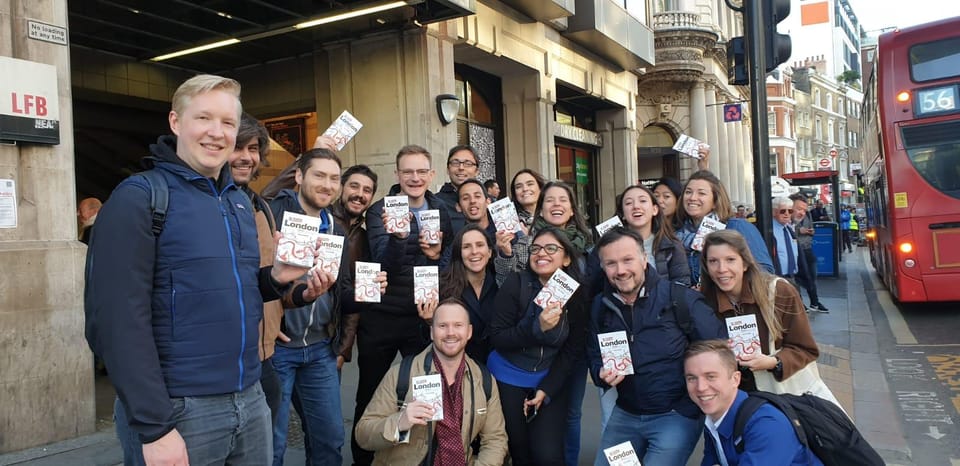
The experience begins at Barbican, right by the station exit. There’s only one exit, and your guide is waiting just outside it with a sign on their backpack on the ground. It’s the kind of meetup that removes confusion fast—helpful when your only job is to be ready to hear hard stories.
From the opening moments, the tone is serious. This is not tongue-in-cheek ghost-story theater. The guide presents the cases in a way that stays on the side of law enforcement and the victims, and you don’t get a wink-and-nod version of “true crime.”
Also, pay attention to timing. The tour starts on time, and latecomers can’t be added once the group leaves. In London, trains can run late, so give yourself a buffer and plan to arrive with slack built in.
You can also read our reviews of more walking tours in London


The cases covered: from Jack the Ripper to the surprise tenth killer
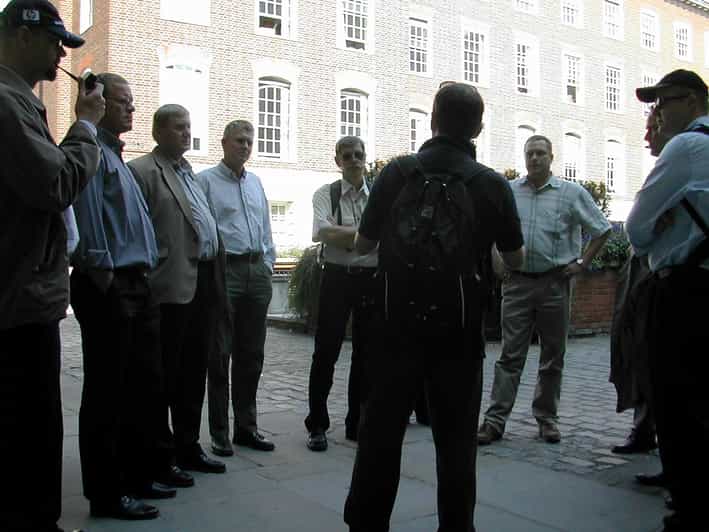
This isn’t a general “serial killers of London” mash-up. You get a structured walk through multiple infamous cases, including names you’ve probably heard and a few you may not know as well.
Here are some of the cases specifically called out during the tour:
- Jack the Ripper
- Peter Sutcliffe
- Dennis Nilsen
- Joanne Dennehy
- John Christie
- Thomas Neil Cream
- Bishop and Head (described as an uncaught serial murderer of children)
- Plus a surprise tenth killer
What’s valuable here is the way the stories are framed. You’re not just collecting facts like a trivia sheet. The guide connects cases to patterns in behavior—how certain actions, choices, and timing can reveal something about how a person thinks.
Even if you’re already familiar with one or two names, you’ll likely pick up new connections, especially in how the tour treats each case as a study in motive and method rather than sensational spectacle.
Psychology-first storytelling: why it feels different from most true-crime walks
A lot of “true crime” tours lean hard on drama, gore, or meme-level shock. This one tries to do the harder thing: explain the why using psychology and profiling.
You’ll spend time on:
- How killers may think and behave
- The reasoning behind profiling exercises
- The differences between cases, even when the crimes share outward similarities
The tour’s built around research—your guide brings 30 years of research to the subject. That shows up in the pace: you get enough detail to understand the case, but not so much that it becomes only a list of crimes.
And you’ll see that the guide keeps a firm line against glorifying offenders. That matters for how the stories land. Instead of making the killer the star, the tour keeps returning to consequences and the lived reality of the victims.
“Cinematic” doesn’t mean cheesy: what Declan’s style does for you
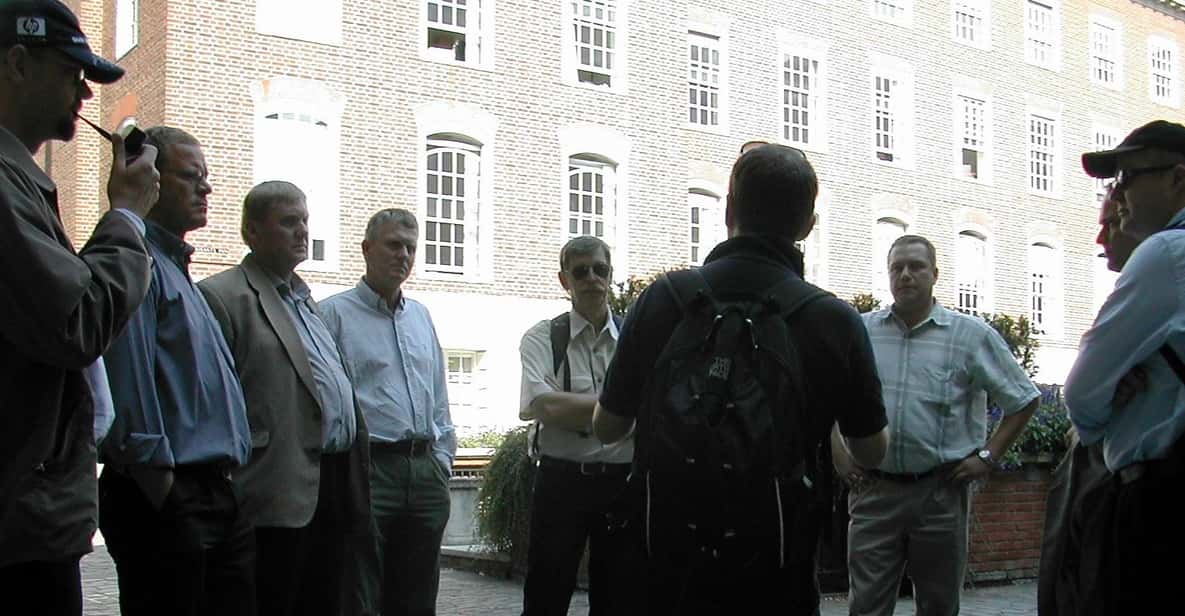
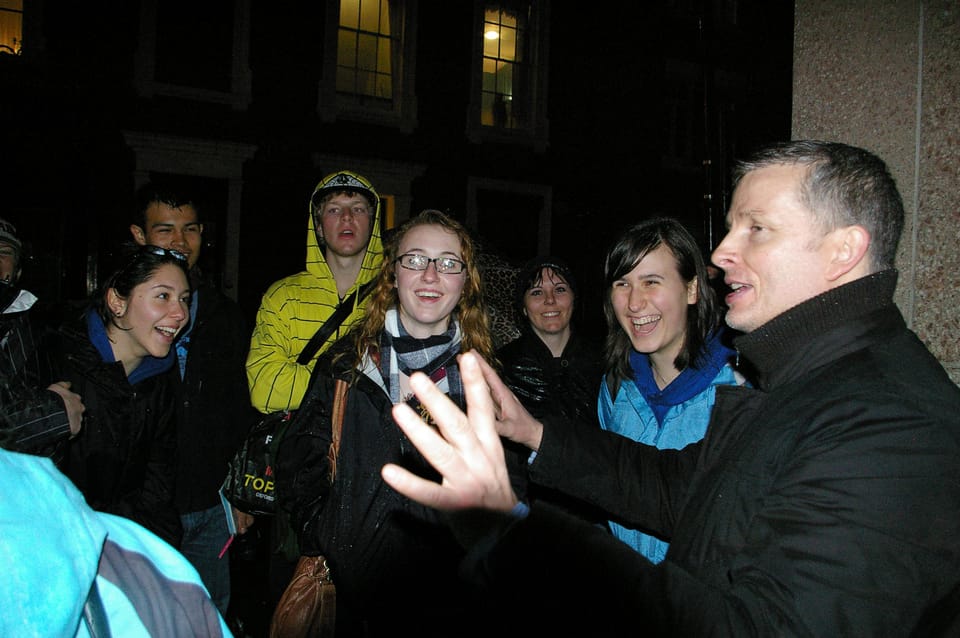
If you like guides who actually perform—not in a gimmicky way, but with control—you’ll probably enjoy this. Reviews highlight Declan as personable, engaging, and deeply into the subject, with storytelling that’s theatrical without going soft on the truth.
One useful detail: the guide may show photos of suspects at stops and use them to explain what’s known about each person. That can make the learning stick, because you’re not only hearing a description—you’re connecting the narrative to an image.
The guide also encourages interaction, including profiling exercises during the walk. This isn’t a passive sit-and-listen situation. You’ll be asked to think along with the guide, then hear how the case details connect to behavior.
If you’re not a native English speaker, you may also appreciate how clearly the guide articulates and takes questions seriously. That kind of clarity changes the experience from “I heard some names” to “I understand what I’m hearing.”
The walking route feel: Barbican to Fleet Street to Holborn
The route is designed for creeping unease without turning into an endless hike. Expect around 2 miles (about 3.2 km) total, spread over roughly 2 hours.
Here’s how the flow typically feels as you move through the city:
- You start in the Barbican area, where the guide sets context and gets the group aligned on what kind of story this will be.
- Then you move through a mix of short guided stretches and quick viewpoint pauses, where the street layout helps the stories make sense.
- As you progress, the stops shift into more alley-like, tucked-in streets. The “creepy” factor is mostly about geography—tight passages and corners where your brain fills in gaps.
- You hit a break mid-route, where you can reset without losing the thread.
- Later, you spend time at Fleet Street, one of London’s most famous press-and-publication areas. That’s where many true-crime stories gained attention, and the tour uses the setting to talk about how these crimes entered public awareness.
- The walk ends around Holborn, finishing the arc of the story in a central London area that’s easy to navigate afterward.
A practical note: you’ll likely feel the “low light” vibe more if you wear the right shoes and dress for damp weather. Rain makes alleyways feel narrower—so plan for that.




Fleet Street and the press angle: why that stop isn’t random
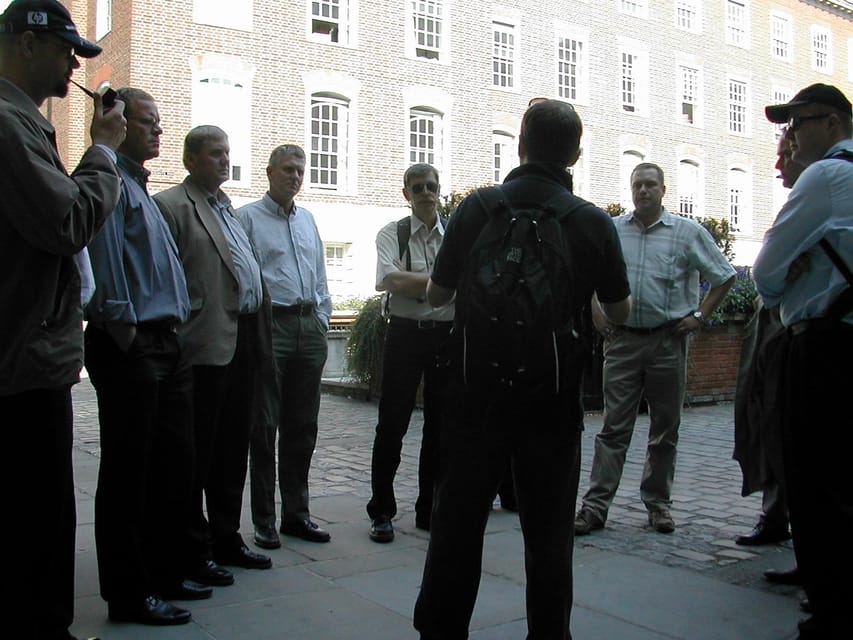
Including Fleet Street is more than a geography flex. It helps explain how these crimes became public knowledge.
This tour spends time on psychology and behavior, but it also treats the broader story seriously: how cases were understood, reported, and remembered. Fleet Street fits naturally into that theme.
Even if you’ve never thought about how newspapers shaped public perception, a stop like this helps you see London’s true-crime narrative as something built in real places, by real institutions, at specific times. It’s one of the reasons this walk feels more grounded than a purely “creepy alleys only” route.
Profiling exercises and photo stops: the learning part that sticks
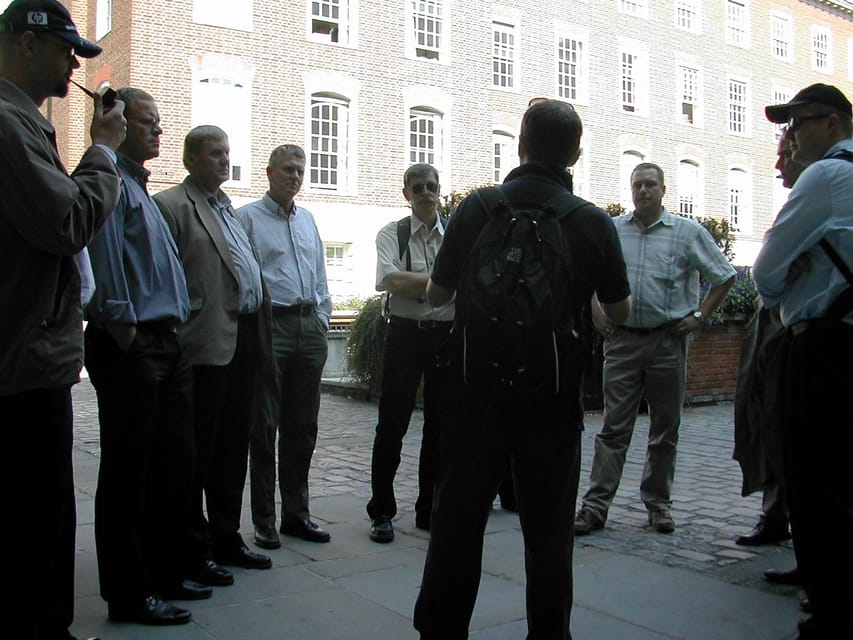
The profiling pieces are one of the most valuable parts of this tour because they shift you from passive listening to active thinking.
You’ll likely do brief “what would you look for?” style moments—small exercises tied to the stories. You’re not asked to pretend you’re an investigator. You’re coached to think about behavior and patterns the way a professional might.
Photos of suspects (where the guide uses them) also help. Seeing an image while hearing a behavioral explanation makes it easier to keep cases straight. It reduces the common true-crime problem where you leave with a blur of names.
And because you’re doing these activities while walking between related locations, the facts attach to the streets. That’s how a dark subject stays clear instead of feeling random.
Who should book this (and who should skip)
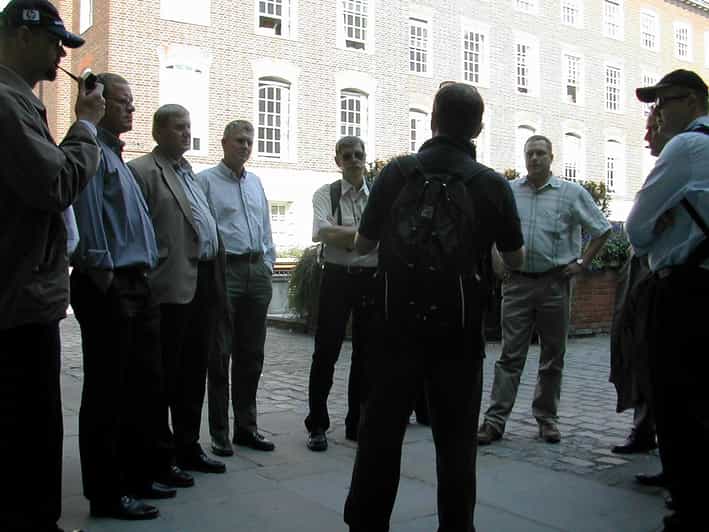
This is a strong fit if:
- You want serial killer history focused on behavior and psychology, not gore.
- You like interactive guides who answer questions and keep momentum through the walk.
- You’re comfortable with disturbing subject matter and want it handled seriously.
It’s a poor fit if:
- You’re easily disturbed. The tour itself flags that the content is scary, shocking, and disturbing.
- You want a light, joking experience. This isn’t that.
- You have low fitness, heart problems, or you’re over 75.
There’s also an age rule in plain terms: children under 12 aren’t suitable, and unaccompanied minors aren’t allowed.
One detail you should think about carefully: the tour lists wheelchair accessibility under what’s included, but it also says it’s not suitable for people with mobility impairments. If you need mobility support, contact the provider before booking and ask what “accessible” means in practice for street conditions and walking segments.
Practicalities: what to wear, and why “arrive early” matters here
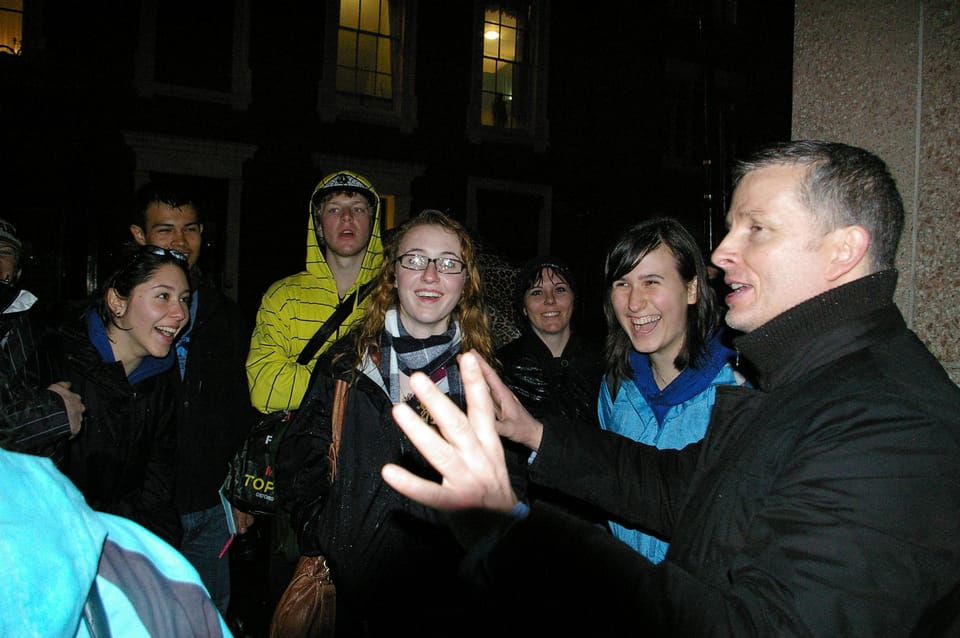
This is a walking tour, about 2 miles total, with uneven street moments that go with real London streets. Bring:
- Comfortable shoes
- Warm clothing
- Rain gear
- Weather-appropriate outdoor clothing
- Personal medication
If you forget the basics, the tour won’t become any more fun. You’ll spend mental energy on being cold, wet, or uncomfortable instead of focusing on the stories.
Also, keep these rules in mind:
- No intoxication
- The tour starts on time, and late arrivals can’t be accommodated
- The route is outdoors, so come dressed for the weather you’ll actually face
For timing, plan for London’s usual reality: trains can be delayed, so you’ll want buffer time rather than gambling.
Price and value: how $27 buys a lot more than a story
At $27 per person for about 2 hours, this is priced like a true specialty walk rather than a generic “London at night” stroll.
What makes it feel like value:
- You’re paying for a guide with 30 years of research
- The tour is structured with multiple stops, viewpoint moments, and activities
- You get profiling exercises, not just narration
- You can buy the guide’s best-selling book at the end, which extends the experience beyond the 2-hour window
That last part matters. If the subject catches your interest—and it might—having the option to purchase the guide’s book means you can keep learning after you leave the streets.
Should you book the London: Beyond Jack the Ripper Serial Killers Walking Tour?
Book it if you want a serious, psychology-focused look at real cases, delivered by a guide who tells stories with energy and keeps the focus on victims and law enforcement. You’ll also get extra value from interactive moments like profiling prompts and the chance to see suspect photos where the guide uses them.
Skip it if you’re sensitive to disturbing material or you’re looking for something light. This is a walking tour that treats the topic with care, but it still asks your brain to sit with dark facts in real alleyways.
If you’re on the fence, the easiest decision rule is this: if you’d rather learn about behavior and patterns than feel spooked for spook’s sake, this is the right kind of true-crime experience.
FAQ
Where is the meeting point?
Meet at Barbican station. There is only one exit, and your guide waits right outside it (about 20 feet away) with a sign on their backpack on the ground.
How long is the tour, and how far do you walk?
The tour lasts 2 hours and covers about 2 miles (3.2 km) on foot.
What language is the tour in?
The live guide leads the tour in English.
Is the tour wheelchair accessible?
Wheelchair accessibility is listed as included, but the tour is also marked as not suitable for people with mobility impairments. If you need mobility support, check with the provider before booking.
What should I bring?
Wear comfortable shoes and bring warm clothing, rain gear, and weather-appropriate outdoor clothing. Bring any personal medication you need.
What topics does the tour cover?
It covers real serial killer cases and related background. The tour is described as scary, shocking, and disturbing, and it focuses on psychological aspects rather than gore. It also does not glorify the murderers.
Who can’t join, and what rules apply?
It’s not suitable for children under 12. Unaccompanied minors aren’t allowed, and intoxication isn’t allowed.
Can I get a refund or pay later?
Yes. There’s free cancellation up to 24 hours in advance for a full refund, and you can reserve now & pay later.