REVIEW · JACK THE RIPPER TOURS
Jack the Ripper Walking Tour: Murder, Mystery, & the Women
Book on GetYourGuide →Operated by Fun London Tours · Bookable on GetYourGuide
Whitechapel feels close to 1888. This 2-hour Jack the Ripper walking tour takes you through the East End’s most infamous, still-unsolved case, while focusing on the lives of five murdered women and the streets where it happened. I like that it keeps things grounded in place: you’ll stand where the crimes took place and see buildings that date back about 300 years.
I also really enjoyed the way the guide ties the murders to the harsh everyday reality of Whitechapel in 1888. In particular, I keep hearing good things about Matt’s approach—he’s friendly, and he adjusts the tour to your group’s interests, whether you’re more into the human side or the investigative angle.
One consideration: this is not a light walk. The guide aims to be sensitive, but you may hear about the murders in detail and the tour can include photographs of murder scenes, so go in prepared for heavy subject matter.
In This Review
- Key things to know before you go
- Entering Whitechapel street by street
- Starting at Shoreditch High Street Overground: get your bearings fast
- The Whitechapel route: how the story moves through the alleys
- Following Nichols and Chapman: learning the victims through place
- Stride and Eddowes: the case tightens in your mind
- Mary Jane Kelly and the end at Mitre Square: why the mystery lingers
- Pub stop and period buildings: seeing 1888 in plain sight
- What the guide covers: victims, investigation, suspects, and the missing answer
- Price and value: is $26 for 2 hours worth it?
- Rules and practical stuff: what you need to plan for
- Who this tour suits best (and who should skip it)
- Should you book this Jack the Ripper walking tour?
Key things to know before you go
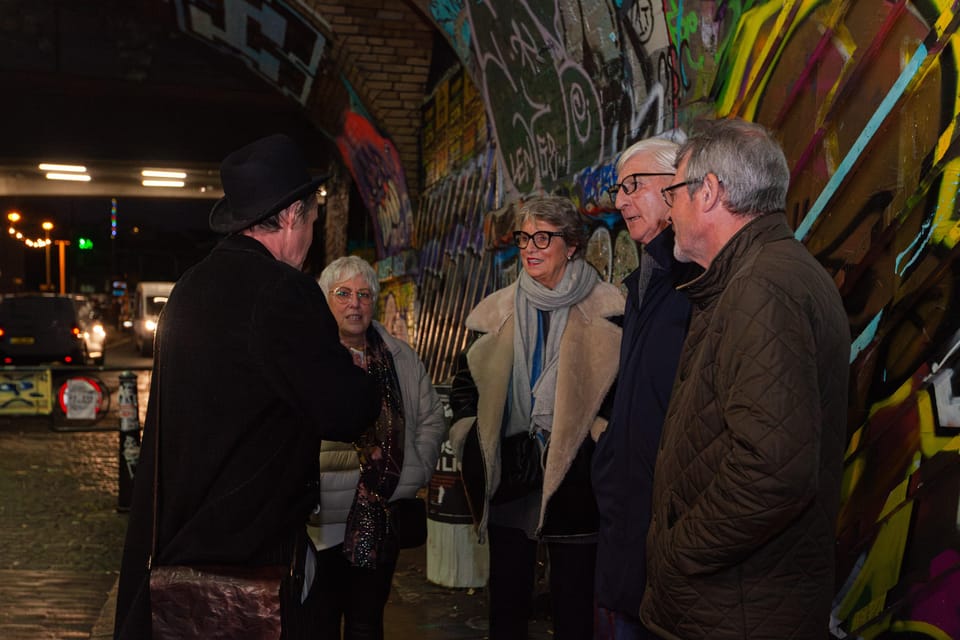
- Five women, not just a legend: you follow Mary Ann Nichols, Annie Chapman, Elizabeth Stride, Catherine Eddowes, and Mary Jane Kelly.
- Stand on real locations: you visit surviving sites linked to the murders, plus the streets and buildings around them.
- You get social context: the tour connects the killings to Victorian life in Whitechapel and why justice didn’t stick.
- Suspects and why it stayed unsolved: you hear about leading suspects and why the case went nowhere.
- You see a movie-linked pub: there’s a stop at a pub featured in Johnny Depp’s From Hell.
- No building interiors, and not every site: you don’t go inside buildings, and some locations are too far apart for a 2-hour walk.
Entering Whitechapel street by street
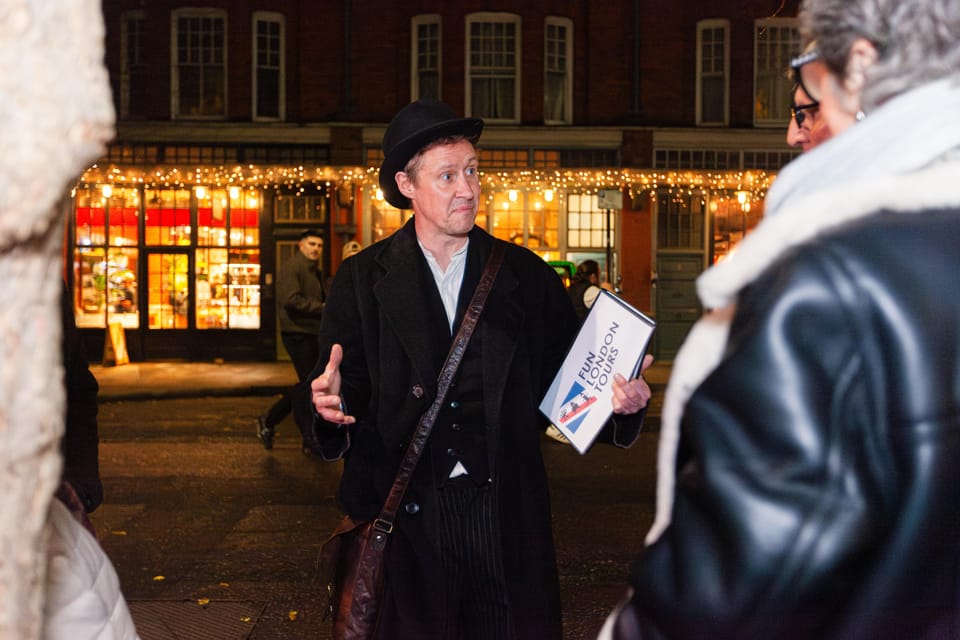
Jack the Ripper tours can turn into pure spooky theatre. This one stays practical and place-based. You walk London’s East End where the crimes unfolded in the autumn of 1888, and the guide frames the case as something that happened inside a working neighborhood—not in a film set.
What I like most is the deliberate focus on the victims’ lives. You’re not only chasing “who did it,” you’re learning who these women were, and how daily survival in Whitechapel could put people in the wrong path. That makes the whole story hit harder, but also feel more fair: the women aren’t background noise to the mystery.
You’ll also get the “why didn’t anyone solve it?” side. The tour talks about the series of events, what evidence was left behind, and why police failed to crack it. And it doesn’t pretend there’s a neat ending—this murder mystery is still unsolved, and the guide explains the reasons it’s remained tangled.
You can also read our reviews of more walking tours in London



Starting at Shoreditch High Street Overground: get your bearings fast
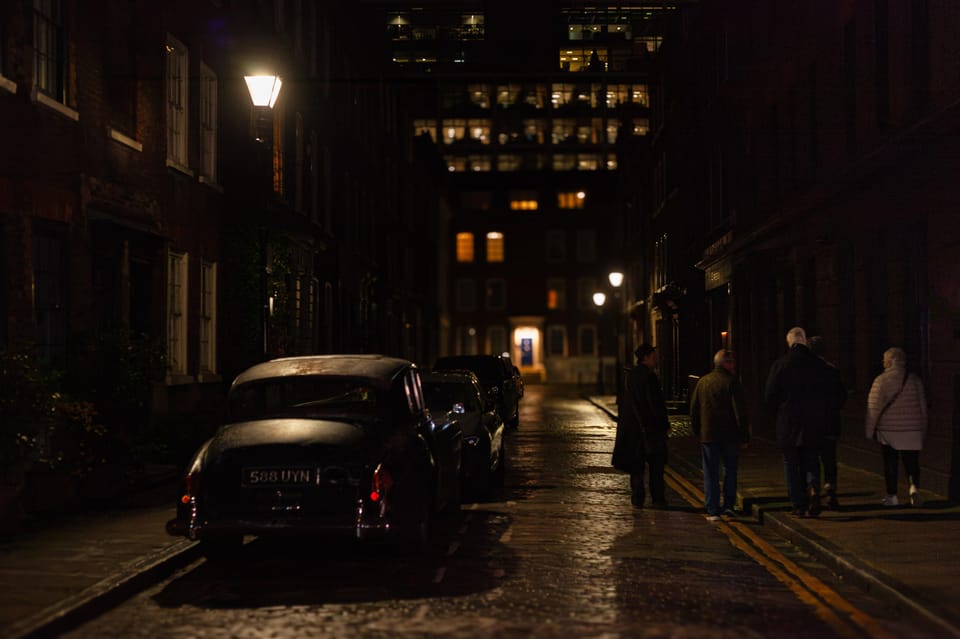
Your tour begins directly outside the Shoreditch High Street Overground Train Station, on Braithwaite Street. The guide carries a Fun London Tours flag, so you can spot them without guesswork.
This start point is handy because it’s easy to reach by public transport, and it gives you a quick sense of the area before the story shifts fully into Whitechapel. It also matters that the tour is only 2 hours, so the beginning sets the tempo. You’ll be walking from the start with the case already unfolding in the background.
Wear comfortable shoes. This is a city-streets walk on pavement, and you don’t want sore feet before you reach the most atmospheric parts of the East End. Also plan for weather—you’re outside for the full experience.
The Whitechapel route: how the story moves through the alleys
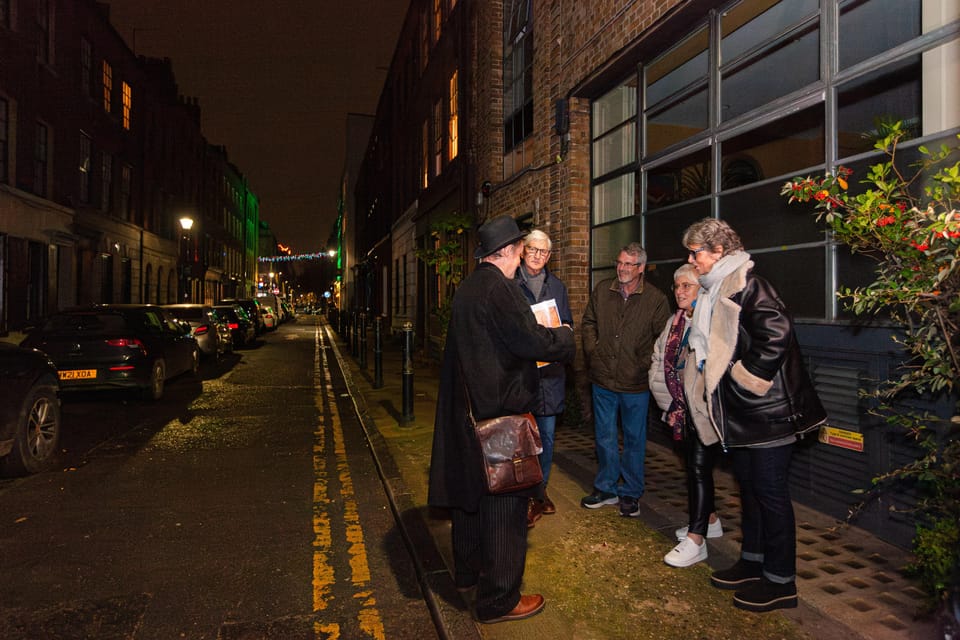
Once you’re in Whitechapel, the tour becomes a guided walk focused on places tied to the murders. You follow the chain of events across the neighborhood rather than treating each killing like a separate, random item. That pacing helps you understand the timeline and why the killer’s pattern mattered.
You’ll cover the five names that define the case:
- Mary Ann Nichols
- Annie Chapman
- Elizabeth Stride
- Catherine Eddowes
- Mary Jane Kelly
The guide also connects the murders to the conditions of the time—Victorian overcrowding, poverty, and daily vulnerability. That context is key. It helps you see how a killer could vanish without a trace in an area where everyone was trying to get through life day by day.
Do note one practical reality: the tour can’t hit every single murder site. Some locations are too far apart to cover within a tight 2-hour walking window. The upside is that you get the most important surviving and accessible places rather than a frantic checklist.
Following Nichols and Chapman: learning the victims through place
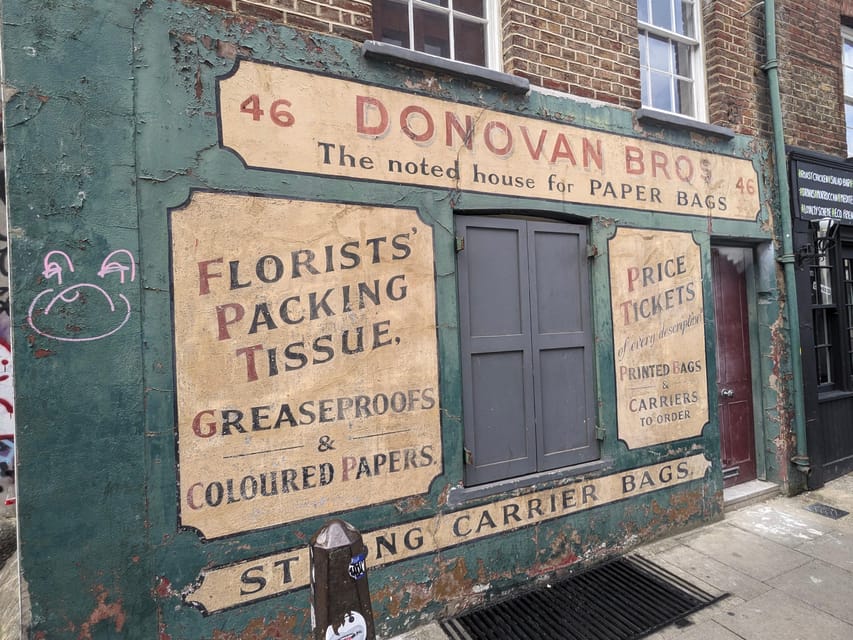
In Whitechapel, the early stops matter because they set the tone: this wasn’t a distant “mystery,” it was a terror unfolding around ordinary streets. The tour walks you through key locations linked to Mary Ann Nichols and Annie Chapman, showing surviving street-level reminders from the period.
What makes these parts valuable is the way you learn about the women, not just the crime. The tour examines who they were and how life in Whitechapel shaped their risks. Instead of turning them into footnotes, you’re given enough context to understand them as real people with real circumstances.
You’ll also see original buildings from the era—locations where the women lived, and streets that still echo what the neighborhood looked like back then. The tour doesn’t ask you to pretend London is frozen in time. It helps you compare the modern streets to what remains.
Stride and Eddowes: the case tightens in your mind
As the walk continues, the tour shifts from “what happened” to “what it meant.” When Elizabeth Stride and Catherine Eddowes enter the story, you’ll hear how events unfolded and how investigators tried to respond—plus where their approach fell short.
This is where I think the tour’s structure pays off. By moving from one place to the next with the timeline in mind, you start to feel why the murders shook the East End so deeply. Even without dramatics, the locations give the story weight.
The guide also addresses the evidence left behind and the leading suspects. You don’t leave with a single, guaranteed answer—because there isn’t one—but you do leave with a clearer sense of what investigators might have relied on and why the case didn’t land.



Mary Jane Kelly and the end at Mitre Square: why the mystery lingers
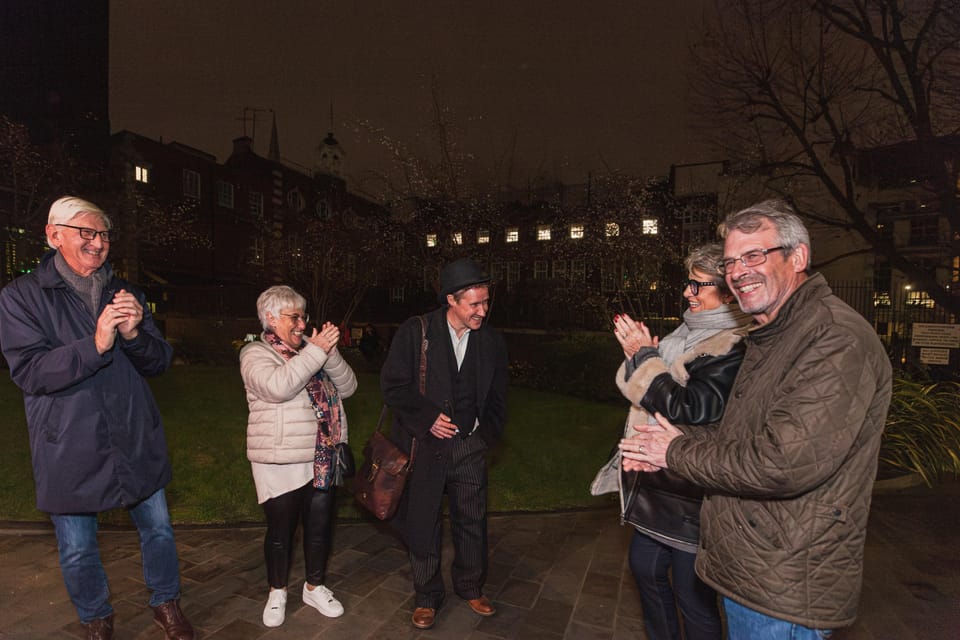
The tour culminates at Mitre Square. That ending point matters because it signals you’ve reached the heart of the mystery’s lasting reputation: the story ends the way it began—without resolution.
Mary Jane Kelly is the name most people associate with the “final” act of the Ripper legend, and the tour treats her murder as part of the larger pattern rather than as pure sensationalism. You’re guided to the relevant location connections and helped connect them back to the broader series of events.
The strongest takeaway here is the unsolved nature of it all. The guide unpacks why the greatest murder mystery still haunts Whitechapel, and you get the sense that it wasn’t just bad luck. It was a mix of harsh conditions, investigative limits, and a case that refused to provide the one clean thread that would pull everything into focus.
Pub stop and period buildings: seeing 1888 in plain sight
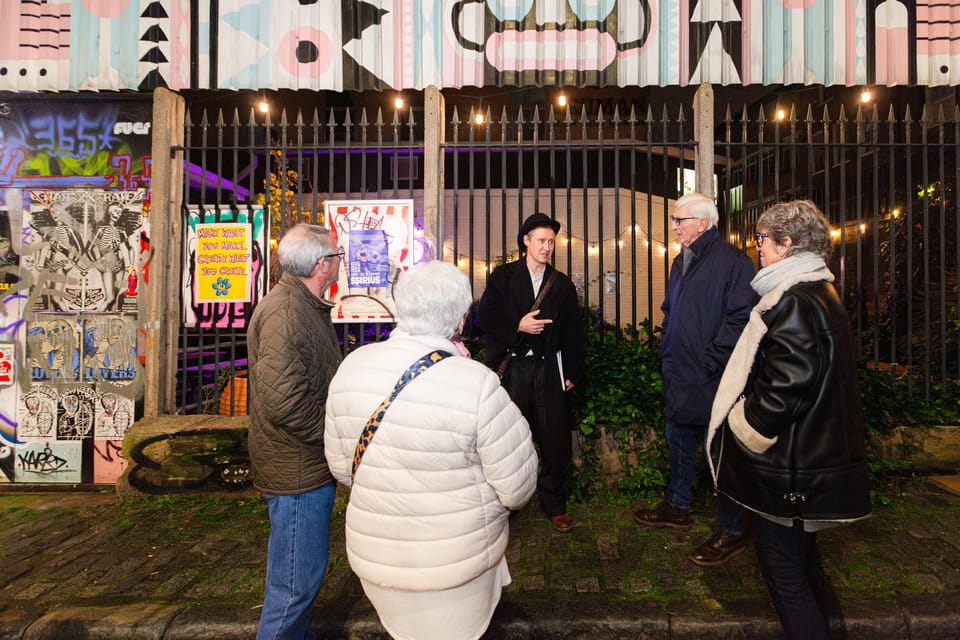
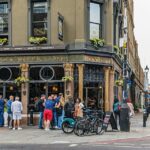
One of the most fun, slightly unexpected parts is the stop at a pub featured in Johnny Depp’s From Hell. It’s an easy way to connect modern pop culture to the real geography of the East End.
But the real value comes from the surviving buildings dating back about 300 years and the street fabric around them. The tour is very clear that you don’t go inside buildings, so you’re not stuck staring at a doorway. You’re out in the real neighborhood seeing how old structures sit next to later development.
This is also why the walk format works. You can’t replicate street-level perspective on a screen. Even if you’ve seen Ripper films or documentaries, there’s something different about watching the story move across actual corners and narrow stretches.
What the guide covers: victims, investigation, suspects, and the missing answer
The tour is built around four threads:
1) the lives of the five murdered women
2) the sequence of events in Whitechapel
3) the investigation, including why police failed
4) leading suspects and competing ideas about whether it was coincidence, or something more tangled
You’ll hear that Victorian conditions played a role in why the killer could escape justice. The guide also explains how people at the time were dealing with poverty and vulnerability—and how that environment can make patterns harder to interpret, and justice harder to deliver.
If you’re the type who wants a tidy conclusion, you might leave slightly frustrated. If you’re the type who likes historical puzzles with messy edges, you’ll probably enjoy the way the tour handles uncertainty. It doesn’t pretend the case is solved. It shows you why the mystery endured.
Price and value: is $26 for 2 hours worth it?
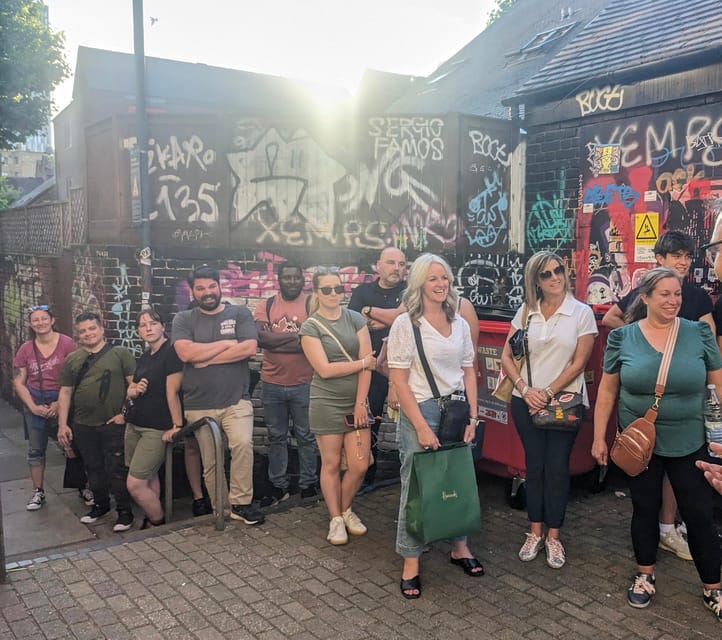
At about $26 per person for a 2-hour walking tour, the value is mostly about focus. You’re paying for an organized route, a live guide, and a concentrated story tied to real places—rather than trying to map it yourself and hoping you’ve picked the “right” murder-site stops.
The “no building interiors” and “not all murder sites” limitations might sound like a drawback, but they’re also why the tour stays manageable. Trying to cram every site into two hours would turn it into a blur. Instead, you get the places that are walkable and still tied to the case.
You also get extras included in the tour itself, like the chance to see the pub from From Hell and insights into the victims’ lives. If you want the Ripper story as social history plus on-the-ground geography, this hits a strong middle ground.
One note from booking feedback I saw: there was at least one situation where a tour was canceled the day before, and the refund took days to arrive. If your schedule is tight, I’d keep an eye on your plans so you’re not stuck waiting.
Rules and practical stuff: what you need to plan for
This tour keeps things respectful. You can bring your questions, but it’s also not a party walk. Smoking isn’t allowed, pets aren’t allowed (assistance dogs are fine), and intoxication is not permitted.
No tripods, no alcohol and drugs, and no audio or video recording are allowed. That means you’ll rely on what the guide tells you and on your memory, so pay attention early.
For clothing, bring comfortable shoes and weather-appropriate gear. The subject matter is heavy, and the tour can include details about the murders plus photographs of murder scenes. If you tend to get distressed by crime imagery, this is your cue to consider whether you’re in the right headspace.
Who this tour suits best (and who should skip it)
This experience makes the most sense if you want:
- a 2-hour walking tour with guided context
- Whitechapel street-level orientation tied to the five named victims
- the investigative story—suspects, evidence, and why it was unsolved
It’s not suitable for children under 16, and it’s also not advised for people with heart problems. If you’re sensitive to crime details and visuals, take that into account before booking.
On the positive side, it is wheelchair accessible, so mobility shouldn’t automatically be a barrier if you can manage the walking segments.
Should you book this Jack the Ripper walking tour?
I’d book it if you want a focused walk through Whitechapel that treats the victims as real people and explains why the case stayed unsolved. The route, the surviving period buildings, the story structure across the five women, and the included stop at the From Hell pub all help you get more than just atmosphere.
I’d think twice if you’re not comfortable with graphic descriptions or if seeing photographs of murder scenes would be difficult for you. Also, if your travel dates are strict, keep an eye on your plans since there has been at least one reported last-minute cancellation with delayed refund timing.
If you’re ready for a serious, street-level mystery walk rather than a light ghost story, this is a solid use of your time in London’s East End.