REVIEW · JACK THE RIPPER TOURS
Jack The Ripper Tour in London’s East End
Book on GetYourGuide →Operated by Brit Movie Tours · Bookable on GetYourGuide
London’s fog turns crime history real. This 2-hour Jack the Ripper tour in London’s East End walks you through Whitechapel streets tied to 1888 murders and the enduring mysteries around them. I especially like two things: you visit actual murder locations and the guide shows documentary material with still photos and letters as you go. One drawback to consider: the subject is grim and scary by design, so if you want a light stroll, this may not fit.
The tour starts at a real city landmark—City of London police station on Bishopsgate—and ends right back where you begin. Along the way, you get the contrast London does best: places that have changed, but corners that still feel familiar if you know what happened there. English-only guide, walking required, and the pace stays focused on story and stops.
If you do this right, you’ll leave with more than spooky lore. You’ll understand why some details stick in pop culture while other evidence stays stubbornly unclear.
In This Review
- Key things I found most compelling
- Where You Meet: Bishopsgate Police Station Is the Easy Anchor
- A 2-Hour Walk Through Whitechapel’s 1888 Streets
- Stops at the Murder Sites: Real Locations, Real Unease
- The Goulston Street Clues and Non-Clues You’ll Keep Hearing About
- Documentary Evidence on the Move: Still Photos and Letters
- Jack vs the Myth: Reality of 1888 and How the Genre Took Over
- Guide Matters: The Storytelling Tone You Want
- Price and Value: Why $22.90 Can Make Sense
- Practical Tips So the Tour Feels Great, Not Miserable
- Who Should Book This Jack the Ripper Tour (and who should skip it)
- Should You Book? My Quick Verdict
- FAQ
- How long is the Jack the Ripper tour?
- Where do I meet the guide?
- Where is the tour starting from Liverpool Street Station?
- When does the tour end?
- What’s the price per person?
- Is the tour in English?
- Who runs the tour?
- Are there different starting times?
- Can I cancel for a refund?
- Can I reserve and pay later?
Key things I found most compelling
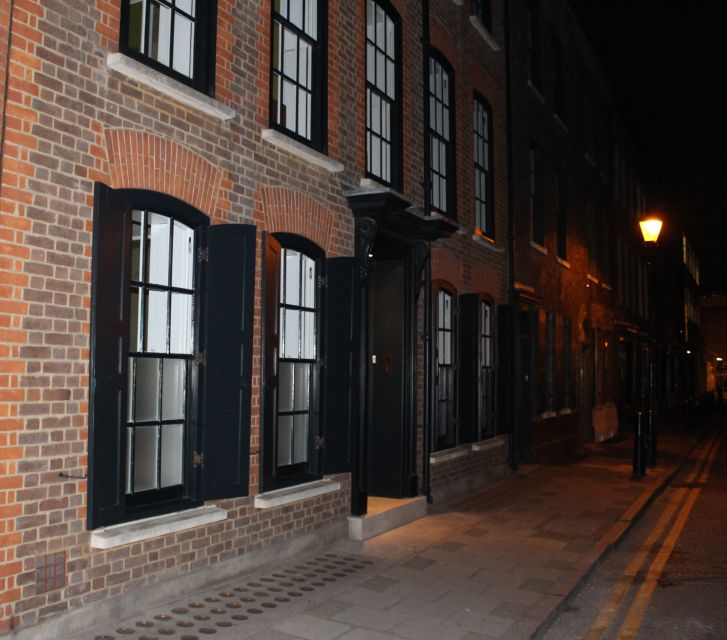
- Actual murder sites, not just a history lecture while you walk through Whitechapel
- Goulston Street clues and non-clues (the case twist most people know, and most people misunderstand)
- Still photos and letters used as documentary evidence during the walk
- Dark passages and alleys that help you picture what victims might have recognized
- A “story plus investigation” approach: what we know, what we don’t, and why the guessing never ends
- Guides who bring the tone—charismatic hosting makes the walk feel vivid instead of like trivia
Where You Meet: Bishopsgate Police Station Is the Easy Anchor
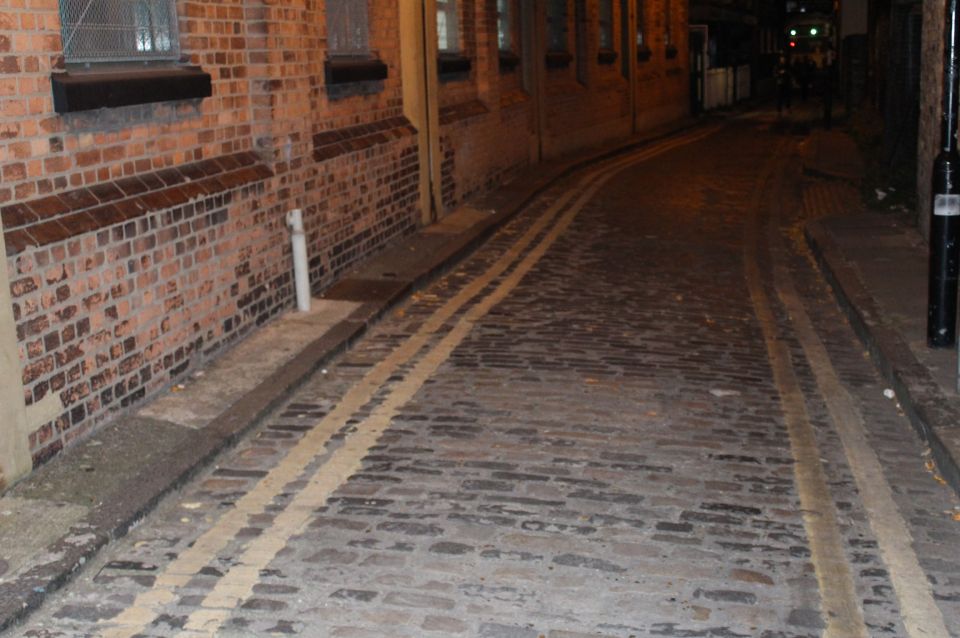
Your tour begins back at street level, not at a museum. Meet your guide about 10 minutes early to the left of the entrance of the City of London police station, 182 Bishopsgate, London EC2M 4NP. If you’re coming from Liverpool Street Station, use the Bishopsgate West exit and look across Bishopsgate—you should spot the station opposite.
This is a smart setup for a walking tour because it works like a real waypoint. You can get your bearings quickly, line up with other group members, and then move out on foot without the usual “where’s the meeting point?” stress.
The end point is the same as the start. That means you don’t have to plan the last stretch of transit while you’re still in full story mode.
You can also read our reviews of more tours and experiences in London.



A 2-Hour Walk Through Whitechapel’s 1888 Streets
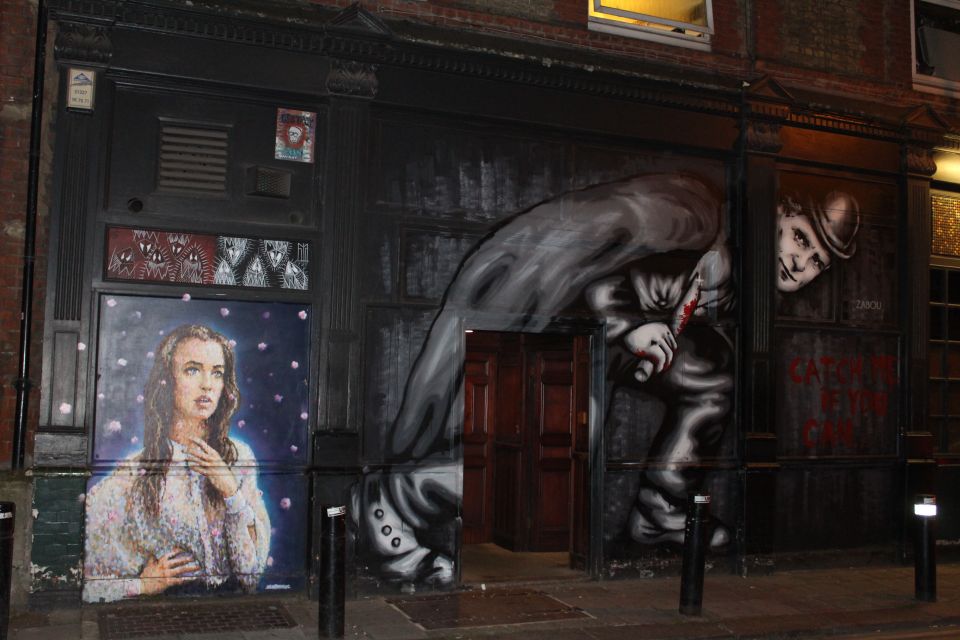
This is built as a classic London East End story walk: follow in the footsteps of Jack the Ripper and his victims on streets connected to the autumn of 1888. The tour lasts 2 hours, and it’s designed to keep you moving—stopping often enough to matter, but not so long that the group loses momentum.
What makes it more than a standard “crime history” route is the focus on contrasts:
- What the area looked like then, based on historical context and case details
- What you see now, with real streets and urban shapes that are still recognizable at street level
Along the way, expect dark passages and alleys—not just main roads. The goal is to help you imagine scale and layout: how someone could slip into shadow, how witnesses might have struggled to see clearly, and how the East End’s tight streets helped rumors spread fast.
You’ll also learn how the murders pushed London into one of its most famous manhunts—and why, more than a century later, people still can’t let go. The tour doesn’t pretend the case is solved. Instead, it shows how the investigation became a long-running puzzle.
Stops at the Murder Sites: Real Locations, Real Unease
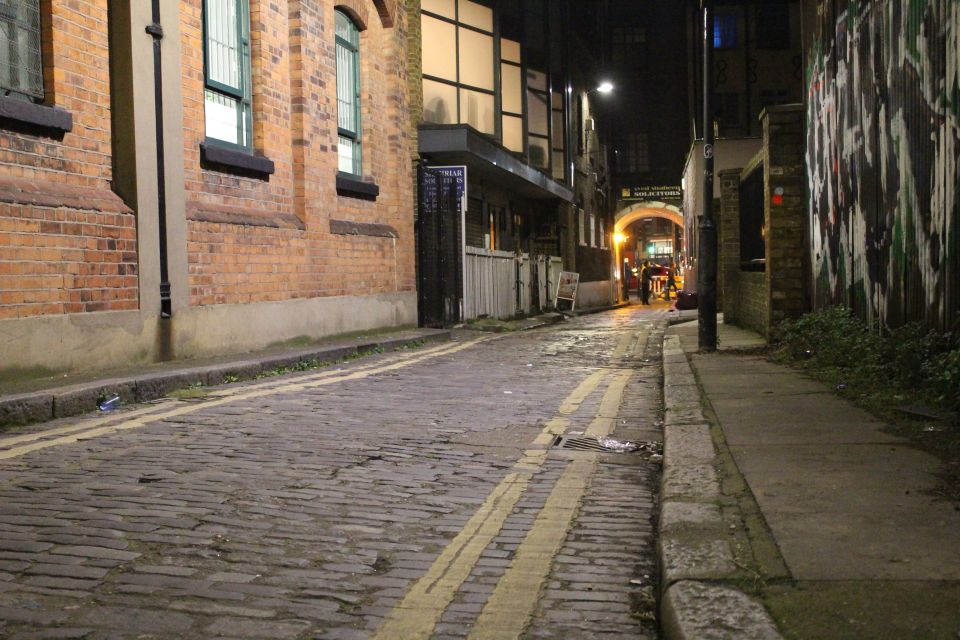
The core value here is direct proximity to place. You don’t just hear about the murders—you visit the actual murder sites of Jack’s victims, and you also see locations tied to others who were thought to be murdered in connection with the case.
This matters because the Whitechapel story is easy to turn into entertainment. Standing near the streets where events unfolded forces the tone back toward reality. You start noticing things you might have missed on your own: the closeness of buildings, the way a corner can redirect sightlines, and how an alley feels different from a wide street.
A practical point: because the tour is about specific sites, you’ll likely spend a chunk of time stopping and listening. If you’re the type who hates to wait, you might still enjoy it—just know the pauses are part of the storytelling craft.
Also, the tour’s length is tight. You’ll cover a lot of ground and case material, but it’s still only 2 hours. That means some details get mentioned briefly rather than exhaustively.
The Goulston Street Clues and Non-Clues You’ll Keep Hearing About
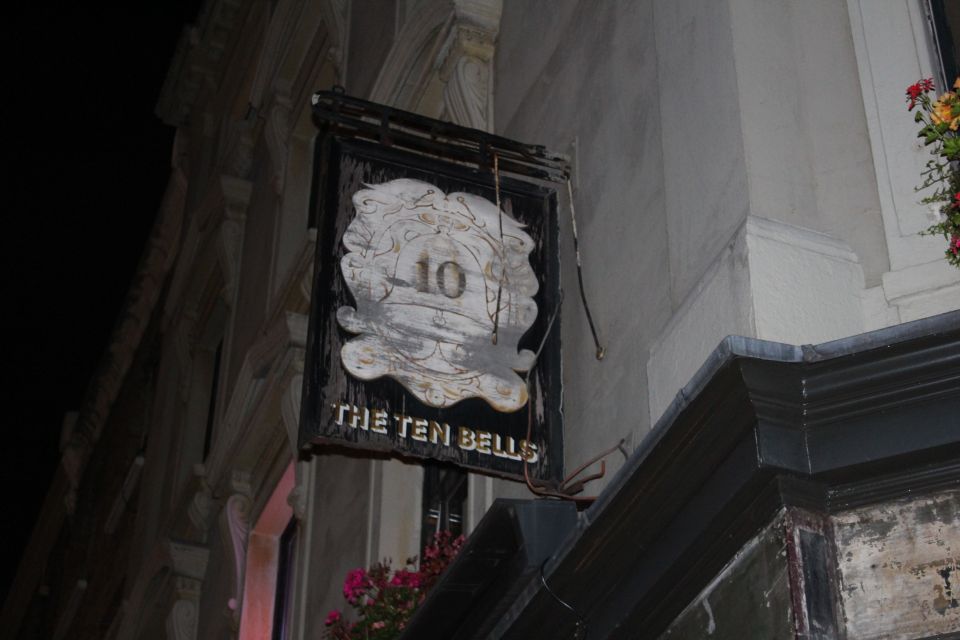
If you’ve ever skimmed Jack the Ripper content online, you’ve probably run into Goulston Street. This tour leans directly into it, with an emphasis on the clues and non-clues—the stuff that gets cited, debated, and retold.
Why that approach works: the Goulston Street story is a perfect example of how evidence can get tangled. A single mark or rumor can become “the key” in one telling, while another telling stresses what’s missing. On this walk, you’ll compare the idea of a clear solution with the messy reality of incomplete information.
It’s also one of those locations that highlights the gap between myth and street-level facts. Even if the surrounding streets look different today, the site still acts like a hinge point for the narrative.
If you’re the kind of person who likes mystery but hates sloppy certainty, this stop is one of the most satisfying parts.
Documentary Evidence on the Move: Still Photos and Letters
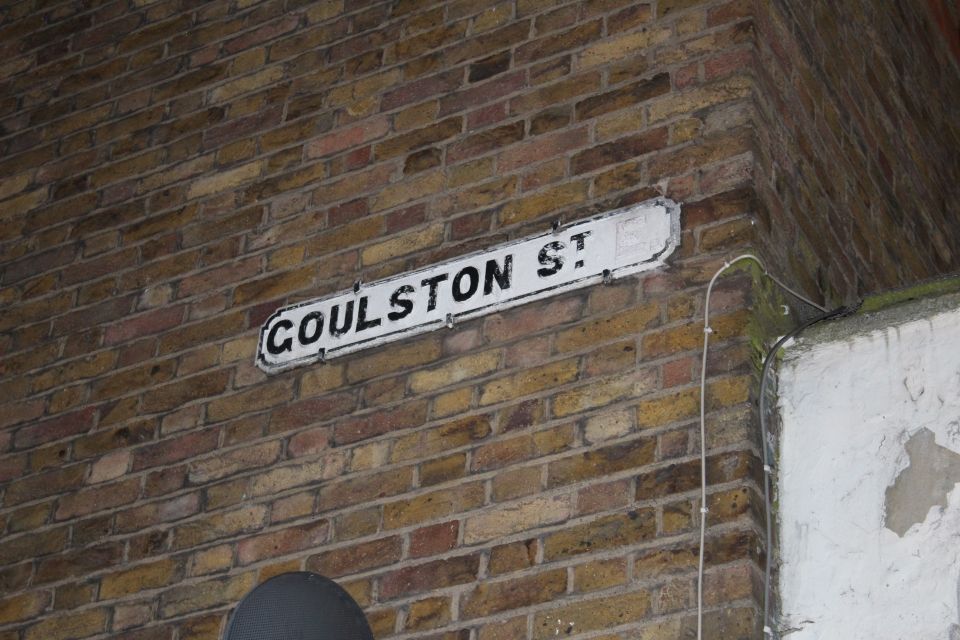
One of the tour’s strongest features is how it brings material into the walk itself. You’ll see documentary evidence of the murders with the help of still photos and letters.
That sounds simple, but it changes the feel of the tour. Without artifacts, a lot of Ripper tours turn into pure storytelling. With photographs and written material, you get more texture. You’re not just listening to a theory—you’re seeing what people used to argue from.
This also helps you understand why the case produced so many waves of speculation. When you see the kinds of details that were preserved (or not), it becomes clearer why identity guesses kept multiplying for more than 120 years.
If you love old London paper trails and evidence-based crime writing, you’ll likely appreciate how the guide uses documents to frame the mystery.




Jack vs the Myth: Reality of 1888 and How the Genre Took Over
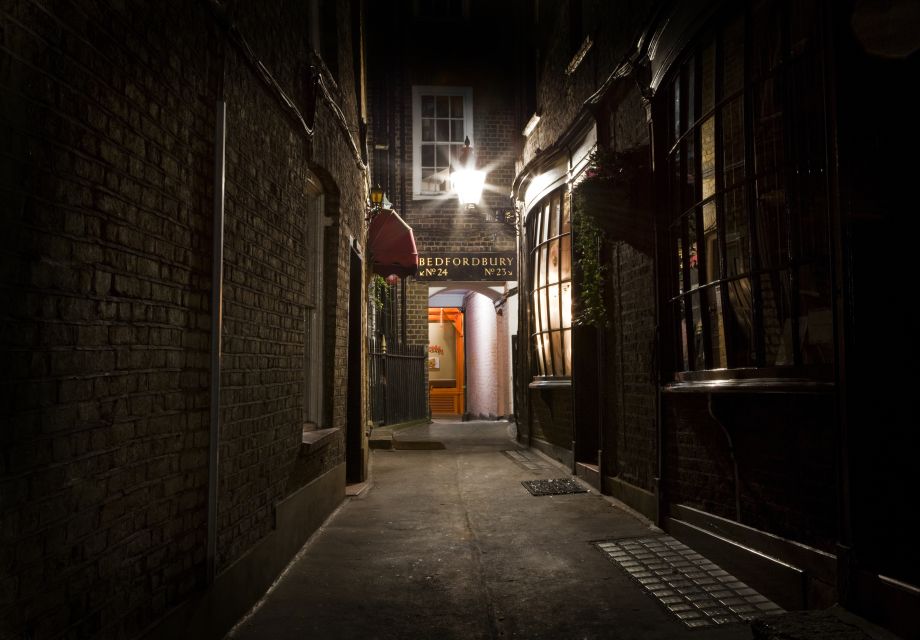
The tour doesn’t treat Jack the Ripper as a solved history lesson. Instead, it shows the crimes as they spread into something bigger than the original events.
You’ll explore:
- How public reaction and fear grew after a body was discovered
- How the case became a long manhunt moment in London criminal history
- How the murders turned into a genre of their own
That last point is especially useful. Jack the Ripper didn’t just become a criminal story. He became a template. Over time, people used the story to sell thrill, build theories, and fill in gaps.
The tour helps you compare the reality of 1888 with the later versions that grew around it. You’ll walk the streets and then get nudged to ask: what’s plausible, what’s exaggerated, and what’s never confirmed.
In other words, you’re not just learning facts. You’re learning how myths are made.
Guide Matters: The Storytelling Tone You Want
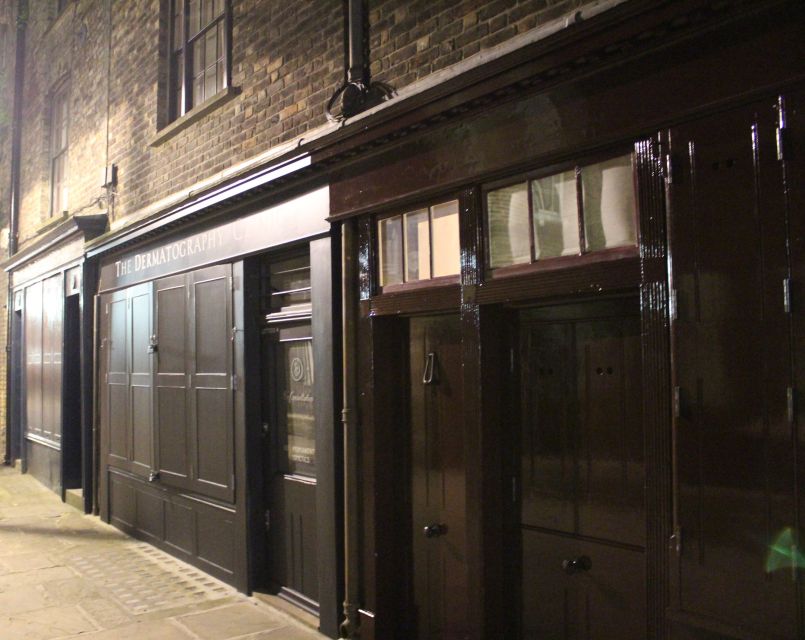
This experience lives or dies by the guide’s delivery. The good news: the tour consistently gets high marks for guide energy and clarity.
Names that show up in past runs include Ian, Rory, Jed, Chris, Jericho, Konstantin, Michael, Eva, and Jeremy. People note that guides can be charismatic and engaging, and that they make the story accessible even when English isn’t your first language.
What I love about this style is how it keeps the material grounded. When a guide tells the case with care, you don’t feel like you’re being yanked around by sensationalism. You feel like you’re walking beside an informed storyteller who also understands the audience’s curiosity.
One more detail worth knowing: at least one guide brings a darker sense of humor, pairing it with careful respect for the subject. If you prefer a strictly formal approach, you should still be fine—the tone is basically “fright story with history logic,” not a farce.
Price and Value: Why $22.90 Can Make Sense
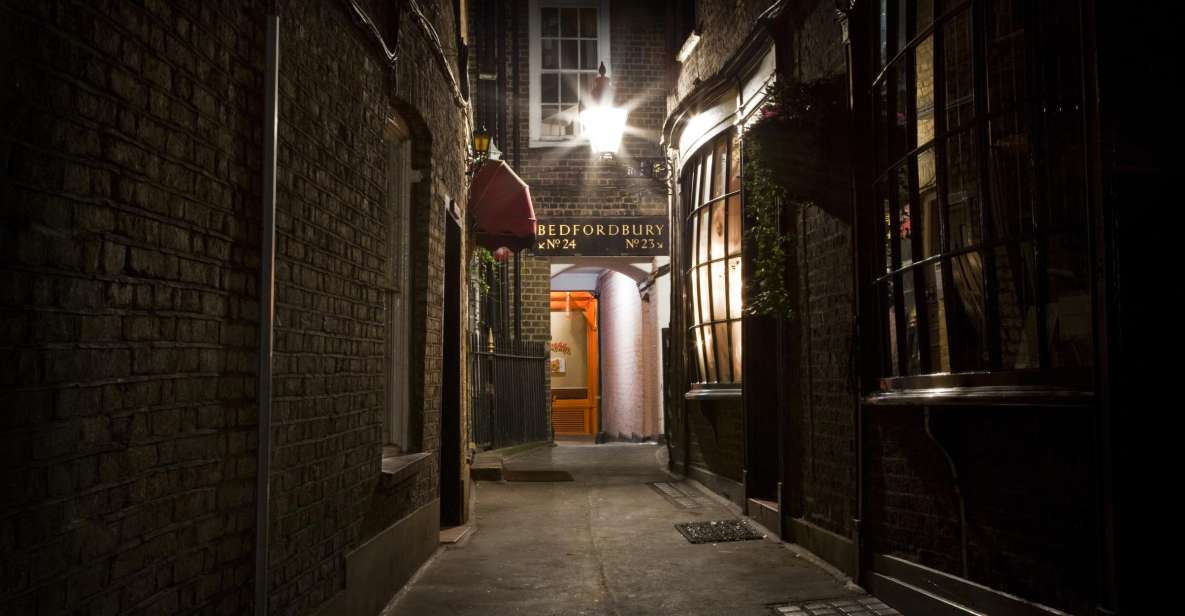
At $22.90 per person, this tour sits in the “reasonable for London” range. The value comes from three things you get for that price:
- A professional guide for the full 2 hours
- On-foot access to multiple locations tied to the case
- Documentary extras like still photos and letters rather than only oral storytelling
If you compare it to paying for separate museums or paid attractions, the biggest win is time efficiency. You get a guided narrative that ties place, context, and mystery together in one walk—no ticket queues, no “see this exhibit for 15 minutes” rhythm.
The only reason this wouldn’t feel like great value is if you strongly dislike walking or want a longer, slower pace with lots of time at each site. This tour is meant to move.
Practical Tips So the Tour Feels Great, Not Miserable
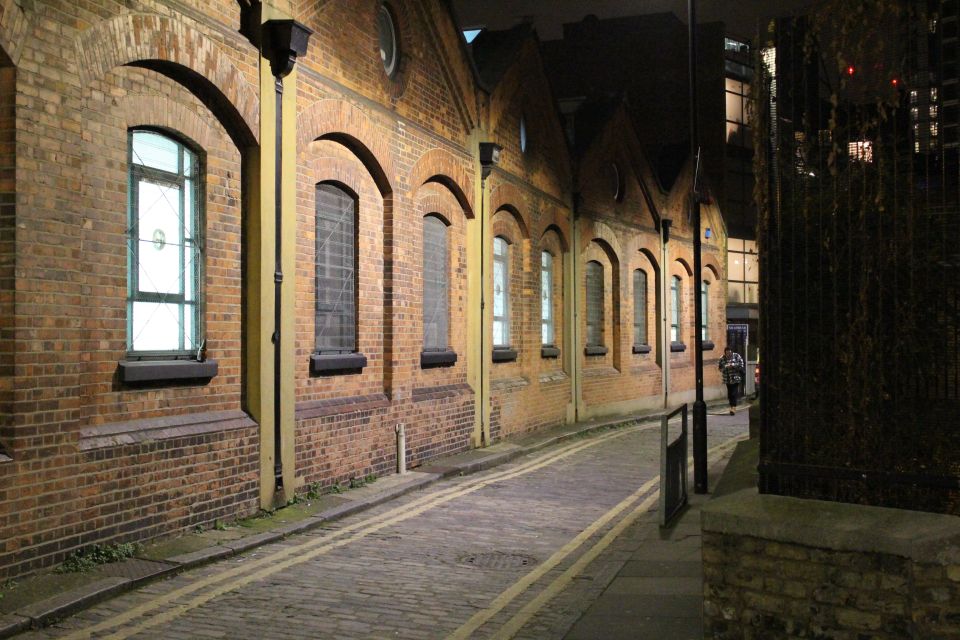
Here’s how to make it work on the ground.
Wear shoes you trust. This is a walking tour in Whitechapel’s streets and alleys, so give your feet a break before your brain gets spooked.
Bring layers. London weather can swing, and it’s possible you’ll tour in rain. One common theme in feedback is that even when it’s wet, the experience still lands because the guide keeps the story going.
Arrive on time at the meeting point. The start is specific, and you’ll get the best flow if you’re there early—around 10 minutes before the tour begins.
And mentally prepare for tone. The tour is designed to be scary. Highlights include being terrified by tales of the crimes and exploring the spaces tied to them. If you’re easily unsettled, you might still enjoy it, but you should know what you’re signing up for.
Who Should Book This Jack the Ripper Tour (and who should skip it)
This tour fits you if:
- You like London East End history and want it linked to real places
- You’re drawn to the case because it’s unsolved and debated, not because it’s already “proven”
- You enjoy mystery storytelling that includes clues, gaps, and theories
Skip it if:
- You want a cheerful sightseeing loop
- You need a lot of quiet time to look around without group movement
- You’re not into crime stories with heavy subject matter
It’s also a good choice for couples or small groups who want a shared narrative experience. One practical note from how it runs: it’s often described as a small group walk, which helps you hear the guide clearly.
Should You Book? My Quick Verdict
I’d book this if you want a London walk that feels like street-level storytelling, not just a slideshow of facts. The combo of actual sites, the focus on Goulston Street, and the documentary help of still photos and letters gives the tour a strong sense of place and evidence.
At 2 hours and $22.90, it’s also a sensible add-on to a London itinerary. You’ll cover a focused slice of Whitechapel and leave with a better sense of why the case never ends—because some clues are sharp, and some are basically smoke.
FAQ
How long is the Jack the Ripper tour?
The tour lasts 2 hours.
Where do I meet the guide?
Meet your guide 10 minutes before the tour at the left of the entrance of the City of London police station, 182 Bishopsgate, London EC2M 4NP.
Where is the tour starting from Liverpool Street Station?
Leave Liverpool Street Station by the Bishopsgate West exit, then look across Bishopsgate for the police station.
When does the tour end?
It ends back at the same meeting point.
What’s the price per person?
The price is $22.90 per person.
Is the tour in English?
Yes, the tour is conducted in English only.
Who runs the tour?
A professional guide runs the experience.
Are there different starting times?
Yes, starting times vary. Check availability to see when the tour runs.
Can I cancel for a refund?
You can cancel up to 24 hours in advance for a full refund.
Can I reserve and pay later?
Yes. You can reserve now and pay later.
Would you like me to tailor this into a short “what to pack + best time of day” checklist for your specific dates and weather?