REVIEW · GREENWICH & CABLE CAR
Greenwich Highlights Private Half Day Tour
Book on GetYourGuide →Operated by Greenwich Royal Tours · Bookable on GetYourGuide
Zero degrees makes Greenwich feel personal in no time. I love how this private walk brings the Prime Meridian to life, turning a simple line on the ground into the story behind global timekeeping. I also like how the Cutty Sark stop lets you get up close to real-world ship history, not just photos.
The main trade-off is simple: it’s a guided walking tour with moderate fitness. In 3.5 hours, you’ll cover several major sites, so comfy shoes matter more than you think.
In This Review
- Greenwich Highlights Private Half-Day Tour: Key Points
- Why Greenwich Works So Well in a Half Day
- Meeting by the Thames: Start Point and Walking Route
- Old Royal Naval College: Wren’s Design and the Naval Training Story
- Royal Observatory and the Prime Meridian Line
- John Harrison’s Clocks: The Longitude Problem, Made Human
- National Maritime Museum: Britain’s Sea Power and a Real Break
- Cutty Sark: Boarding the Only Surviving Teaclipper
- Queen’s House and Elizabeth’s Armada Portrait
- Greenwich Market Finish: Keep the Day Going
- Price and Value: What You’re Really Paying For
- Tips for a Smooth Private Walk (and a Fun Guide)
- Who This Tour Fits Best
- Should You Book This Greenwich Private Half-Day Tour?
- FAQ
- Where does the tour meet?
- What time does the tour run each day?
- How long is the Greenwich Highlights private half-day tour?
- Is this a private tour or a shared group?
- What admissions are included?
- Is transportation included, or do I need to handle getting around?
- Is food included?
- Which major attractions are included on the tour?
- Is the guide in English, and can I cancel for a refund?
Greenwich Highlights Private Half-Day Tour: Key Points
- Private guide, small pace: You get a live, English-speaking guide geared to your questions and interests.
- Prime Meridian in context: You’ll stand at the line marking the eastern and western hemispheres and connect it to Greenwich Mean Time.
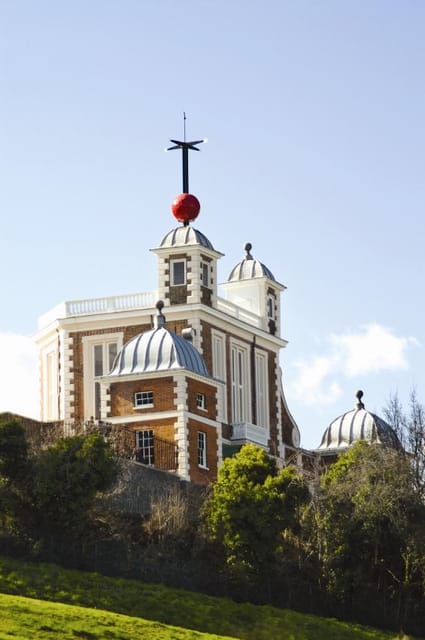
- John Harrison’s clocks: The Observatory museum shows the clockwork that helped crack the longitude problem for sailors.
- Old Royal Naval College on the Thames: You’ll walk past the Wren-designed setting tied to naval training.
- Cutty Sark is the real thing: A restored teaclipper (reopened May 1, 2012) you can board during the visit.
- Finishes in Greenwich Market: You’re set up to eat, browse, or keep exploring after the tour ends.
Why Greenwich Works So Well in a Half Day
Greenwich is one of those places where science, empire, and everyday life all overlap. You’re not just seeing buildings. You’re watching how Britain measured the world—by sea, by time, and by the ships that needed both.
This tour is smart because it strings together the key locations without turning your day into a logistics puzzle. In 3.5 hours, you get the timekeeping angle at the Royal Observatory, the maritime story at the National Maritime Museum, and the ship itself at Cutty Sark. Add in Queen’s House, and you get a cultural counterpoint to all that engineering and navigation.
The private format matters here. A good guide can connect the dots fast, like why the same place that tracked time also needed to solve how to find longitude at sea.
You can also read our reviews of more private tours in London


Meeting by the Thames: Start Point and Walking Route
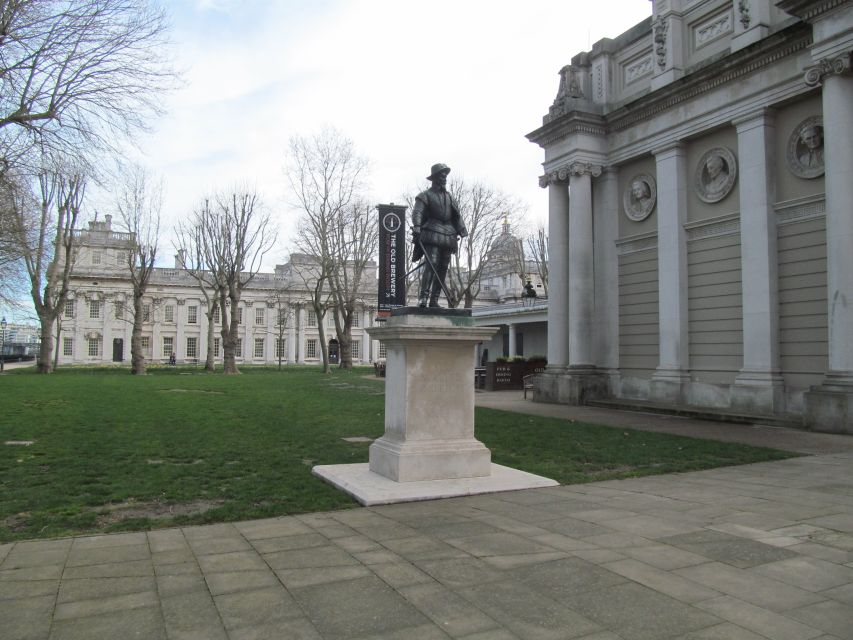
You meet at the Sir Walter Raleigh statue just outside the northern entrance to the Greenwich Tourist Information Centre, across from Greenwich Pier. That’s a nice setup because you can arrive by rail or the DLR, and the river area makes it feel like Greenwich starts right away.
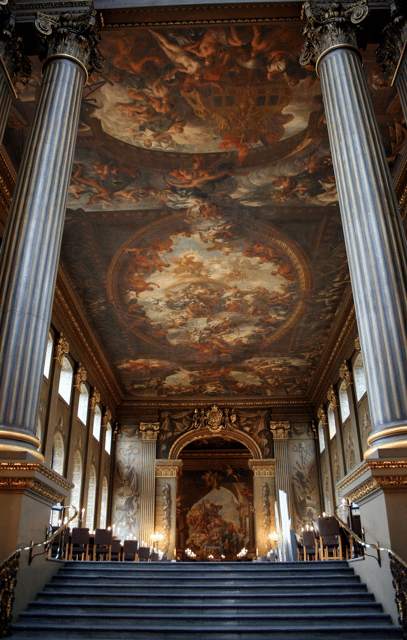
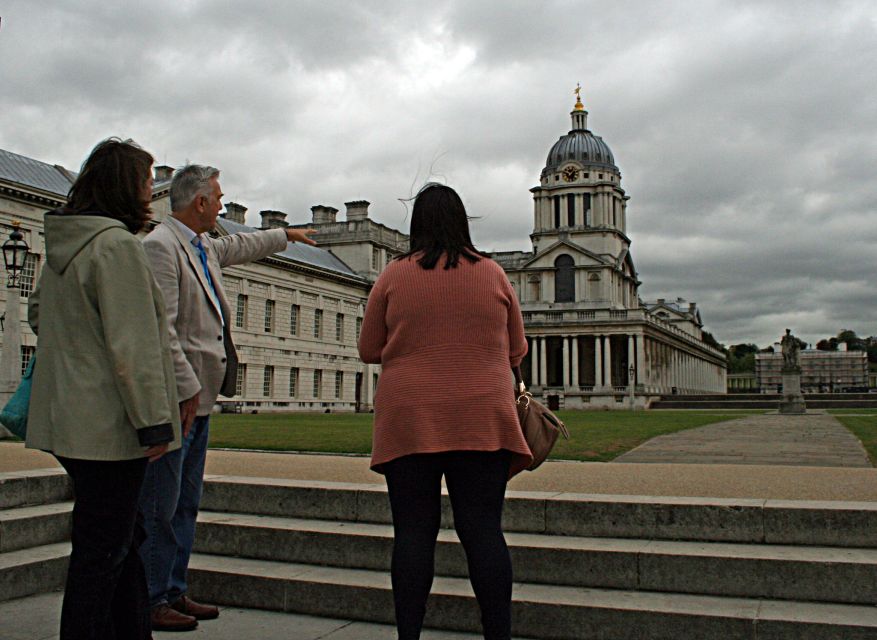
From there, you’ll walk along the Thames toward the nearby Old Royal Naval College, designed by Sir Christopher Wren. The route is short enough to stay enjoyable, but it still gives you that sense of moving through Greenwich rather than popping in and out of isolated exhibits.
A practical tip: if you’re coming with kids or anyone who needs breaks, plan on going at a steady pace. This tour keeps moving between major sights, and the “moderate fitness” label is real. You’ll want to feel comfortable standing and walking for stretches.
Old Royal Naval College: Wren’s Design and the Naval Training Story
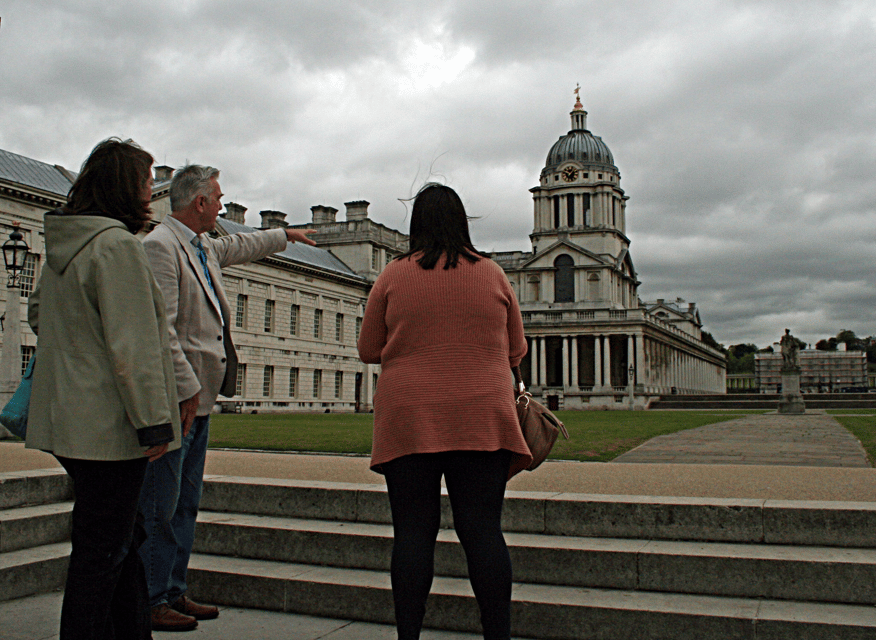
The Old Royal Naval College setting adds weight to everything you’ll see later. Even if you only catch it from the outside during the walk, it frames Greenwich as a working maritime hub, not just a museum district.
Here’s what makes this stop meaningful: the Royal Navy used this training college until the Millennium. That means the buildings aren’t just historic shells. They connect to an ongoing thread—training people for the jobs that relied on ships, navigation, and timekeeping.
You’re also in a place where architecture and purpose were designed together. Wren’s involvement isn’t a trivia flex; it helps you understand why Greenwich became a home for institutions tied to practical global reach.
If you like context, this is one of the best “breathing spaces” before the more intense science and museum moments.
Royal Observatory and the Prime Meridian Line
Then you climb up to the Royal Observatory, where the Prime Meridian and the idea of Greenwich Mean Time take center stage. The big moment is seeing the line that divides the eastern and western hemispheres. It’s straightforward, but the impact lands because you realize this is one of the reference points the world used to coordinate itself.
This is also where a good guide earns their keep. A talented guide won’t just point and name. They’ll connect the Prime Meridian to why sailors and travelers needed a shared time framework, not just a vague sense of direction.
You’ll also visit the Observatory museum, which focuses on the famous breakthroughs in timekeeping. That’s important because time in navigation isn’t a “nice to have.” It’s how you reduce uncertainty when the world is huge and the margins are small.
John Harrison’s Clocks: The Longitude Problem, Made Human
If the Prime Meridian is the symbol, the John Harrison clock story is the reason it matters.
At the Observatory museum, you’ll see the unique clocks linked to Harrison—the breakthrough work that eventually solved the longitude problem for seafarers. In plain terms, this is where maritime navigation becomes measurable and repeatable, instead of guesswork.
The best part of this stop is how it turns a technical challenge into something you can actually grasp. When the clocks and the story are explained well, you start to see longitude as a chain of decisions: knowing where you are depends on knowing when it is, compared to a reference.
If you’re the type who likes details but hates getting lost in them, this is the kind of stop that can click. You get concrete objects (the clocks) plus a clear “why it mattered” narrative.




National Maritime Museum: Britain’s Sea Power and a Real Break
Next comes the National Maritime Museum, described here as the largest maritime museum in the world. Even if you love museums, that superlative can sound like marketing. The way this tour uses the stop makes it more useful than overwhelming.
You’ll settle in after the Observatory climb, and the museum gives you the context behind Britain’s seafaring past and the country’s naval power. This is where the stories you heard about navigation connect to the bigger picture: ships, voyages, and the culture that supported them.
Also, there’s a practical recovery moment built in. You’ll have the opportunity to rest your feet and enjoy a tea or coffee inside the museum. That matters because it keeps the pace humane for a half-day tour.
One caution: the museum is large, so you won’t try to “do everything.” The value here is that your guide helps you focus on what ties directly to the other stops—timekeeping, navigation, and the vessels that made it all possible.
Cutty Sark: Boarding the Only Surviving Teaclipper
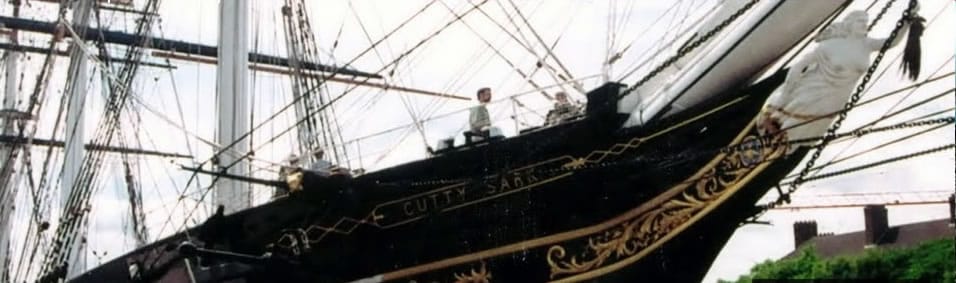
Now for the part most people remember: Cutty Sark. You’ll head aboard the world-famous clipper ship, and you’ll learn why she mattered at the very end of the Age of Sail.
This ship is special in a way that goes beyond being famous. It’s the only teaclipper surviving to this day, and in her time she was the fastest ship on water. That combination is rare—survival plus relevance. You’re not looking at a replica of an idea. You’re looking at a ship that actually existed in the peak period of speed and trade.
You’ll also hear about her restoration. Cutty Sark underwent a newly restored effort with a staggering price tag of 50 million pounds, then reopened to the public on May 1, 2012. For me, that matters because restored ships often feel like stage props. Here, the modern restoration gives you a better sense of how the ship functioned in real life.
Also, since this is a private tour, you’re not stuck in a crowd shuffle. Your guide can point out what to look for and how to connect what you see back to navigation and maritime history.
Queen’s House and Elizabeth’s Armada Portrait
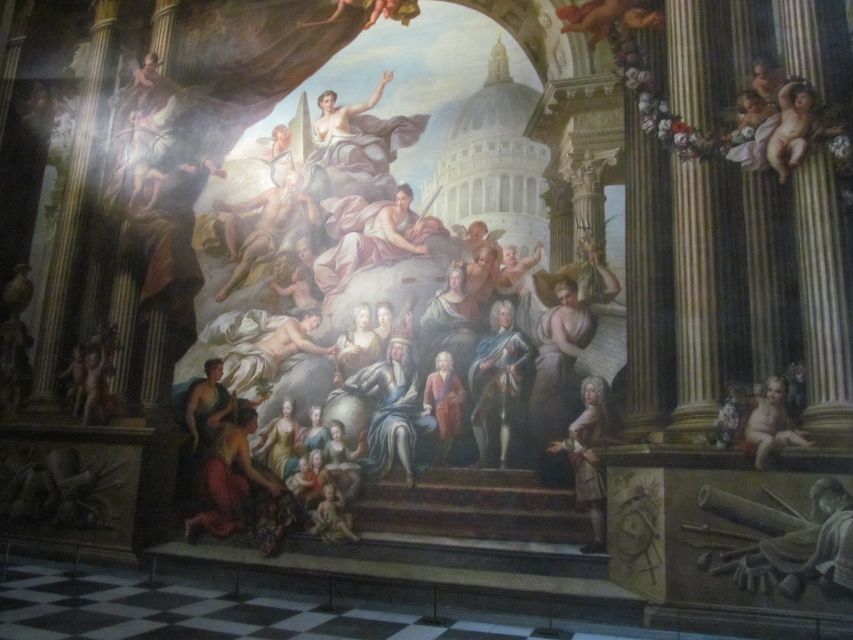
The tour’s highlight list includes Queen’s House, and it earns that spot. It’s the art museum of Greenwich, and it features Elizabeth’s Armada portrait.
That’s a smart pairing with everything else on the tour. After timekeeping and ship history, the art stop reminds you that maritime power was also political power—and it was documented, promoted, and remembered through images.
Even if you’re not a museum person, this is the kind of stop that keeps the day from feeling like a single-note lecture. It gives you a visual and cultural anchor that rounds out the story of Greenwich as a place where national identity and global movement connected.
If you enjoy art, you’ll likely appreciate how the portrait theme ties back to conflict, navigation, and the stakes of sea routes.
Greenwich Market Finish: Keep the Day Going
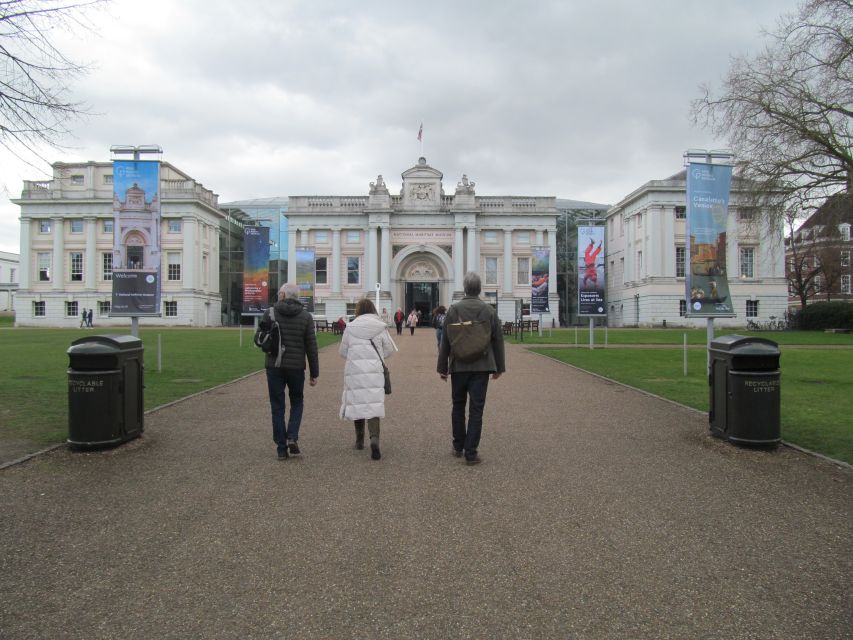
Your tour ends at Greenwich Market, a historic area known for art galleries, antiques, and street food. This is a good finish point because it lets you switch gears instantly, from guided history to personal browsing.
If you want something simple after the tour, street food works well right here. If you prefer to keep exploring, the galleries and antique stalls mean you can wander at your own pace without committing to another “big” attraction.
This is also helpful if your group has different energy levels. One person might stay for snacks and browsing. Another might want to head off early. Your tour is done, so nobody feels trapped into the same plan.
Price and Value: What You’re Really Paying For
Pricing for this tour shows up in a couple ways, so it’s worth checking your final total carefully. The advertised price is $398 per person, while another pricing note lists £245 per person for a couple, with reduced price as you add more people. In other words: your group size can change the deal.
What makes the price feel more reasonable is what you get bundled in. All admissions are included, and the tour is private. That means you’re paying for guide time plus entry into multiple major sites—National Maritime Museum, Royal Observatory, and the Cutty Sark experience.
What’s not included is also clear: transportation and food are on you. That’s normal for a walking-focused tour, but it helps you budget. If you plan to eat inside the areas you visit, expect it to add a little. The museum tea or coffee break is an included opportunity, but it’s not the same thing as a full meal.
For value, I’d look at it this way: if you were trying to plan this yourself, you’d need to line up multiple timed visits and figure out how to connect the story. A good guide turns that into a smooth narrative, and that can save time and frustration.
Tips for a Smooth Private Walk (and a Fun Guide)
A private guide can be the difference between a tour that feels like a checklist and one that feels like a story with scenes.
In past experiences, guides have been praised for bringing people’s stories to life and making history feel connected to real human decisions. Names that have come up include Nathan, Victoria, and Steven—each highlighted for clear communication and friendliness.
Here’s how to use that advantage. Ask small questions. Instead of What is this? try asking: Why did they need that clock? or How did speed affect trade? A guide can pivot from exhibit facts to the bigger “why” fast.
One practical consideration: punctuality can vary. One experience noted a guide arriving about 20 minutes late. There’s also been an instance where a guide didn’t show up, followed by quick refund handling after communication. I can’t predict how your day will go, but if your schedule is tight, give yourself a little buffer around the 10 a.m. start.
Also pack for a walking day: comfortable shoes, water, and layers. Greenwich weather can shift, and you’ll be outside between sites.
Who This Tour Fits Best
This is a strong pick if you want Greenwich highlights without getting lost in planning. It works particularly well for couples and small groups who like a clear route and a guide who can explain connections between sites.
You should also consider it if you’re curious about science and practical navigation. The Prime Meridian and John Harrison clocks are the anchor points, and the maritime stops support them.
Families can do it too, with one key note: children 5 and under go free. The tour still involves guided walking, so older kids who enjoy museum and story time will likely handle it better.
If you hate walking, skip this one. If you’re comfortable with moderate walking and you like seeing multiple major sites in one coherent session, you’ll probably find it satisfying.
Should You Book This Greenwich Private Half-Day Tour?
If your ideal day looks like: step into major sights, get the story behind them, and still have time to wander afterward, I’d book it. The private format plus included admissions makes the schedule feel efficient, and the combination of science, ship history, and a cultural art stop gives you a fuller Greenwich picture than a single-museum outing.
I’d book with extra attention if you’re very schedule-tight or traveling with someone who needs minimal walking. The pacing is guided, but it’s still a walking day.
Overall, this tour hits the big Greenwich notes—the Prime Meridian, John Harrison’s clocks, the National Maritime Museum, and Cutty Sark—and it does it in a way that feels structured, not rushed. If that sounds like your kind of half day, you’ll likely enjoy it.
FAQ
Where does the tour meet?
The tour meets at the Sir Walter Raleigh statue just outside the northern entrance to the Greenwich Tourist Information Centre, across from Greenwich Pier.
What time does the tour run each day?
The tour runs daily from 10 a.m. to 1:30 p.m.
How long is the Greenwich Highlights private half-day tour?
It lasts about 3.5 hours.
Is this a private tour or a shared group?
It’s a private group tour, so it’s just you with your fun and informative guide.
What admissions are included?
All admission fees for the included attractions are included.
Is transportation included, or do I need to handle getting around?
Transportation is not included.
Is food included?
Food is not included, though you’ll have the chance to rest and enjoy a tea or coffee at the National Maritime Museum.
Which major attractions are included on the tour?
You visit the Cutty Sark, the Royal Observatory (including the Prime Meridian and John Harrison’s clocks), the National Maritime Museum, and Queen’s House.
Is the guide in English, and can I cancel for a refund?
The live tour guide is English-speaking, and you can cancel up to 24 hours in advance for a full refund.